Lawn vs Wildflower Turf - Which Is Better for UK Gardens?
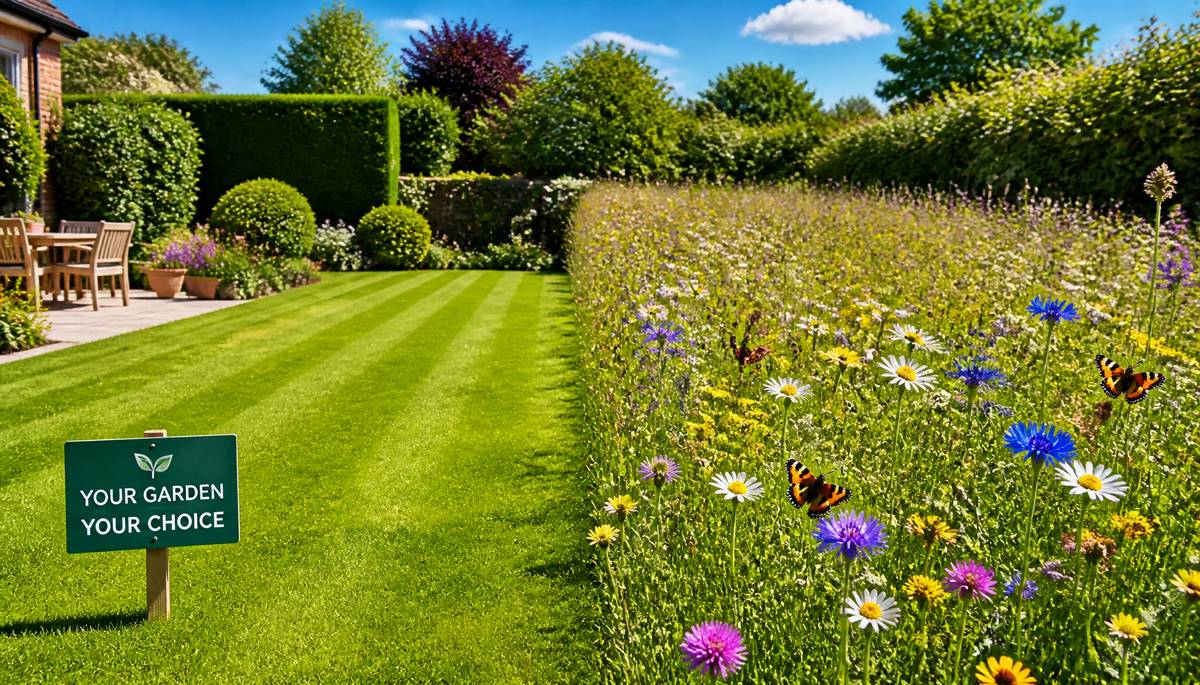 UK gardens are changing. More homeowners are moving away from traditional grass lawns and choosing wildflower turf instead. The shift reflects a desire for lower maintenance, stronger wildlife support, and gardens that remain visually interesting throughout the year.
Wildflower turf supports pollinators, requires less mowing and watering, and eliminates the need for chemical fertilisers and pesticides. Traditional lawns, however, remain practical for families who want durable play areas and a neat, uniform appearance. The right choice depends on how you use your garden and what you value most.
Both options have advantages and trade-offs. Understanding these differences helps you choose the best solution for your space, lifestyle, and long-term goals.
Key takeaways - Wildflower turf supports bees and butterflies and requires less maintenance than traditional lawns
- Grass lawns handle heavy foot traffic better and provide practical space for children and pets
- The right choice depends on whether you prioritise wildlife, low maintenance, or durability and a classic look
Comparing lawn and wildflower turf for UK gardens
Grass lawns and wildflower turf differ in appearance, upkeep, and year-round performance. Your choice will shape both the character of your garden and the time you spend maintaining it.
Many homeowners now use specialist suppliers such as Garden Wildlife to source wildflower turf designed specifically for UK gardens and native biodiversity.
Visual appeal and garden style
Grass lawns offer a tidy, uniform appearance with a consistent green colour. They suit formal gardens and provide clean lines for a traditional layout.
Wildflower turf creates a meadow-like effect with changing colours throughout the growing season. Flowers emerge from spring through summer, with heights ranging from low flowering lawns to taller meadow-style turf.
Wildflower lawns blend grass and flowers, retaining some structure while adding seasonal interest. This style sits between a formal lawn and a full wildflower meadow.
Garden style often determines the best option. Cottage-style and contemporary gardens typically suit wildflower turf, while formal gardens tend to favour traditional lawns.
Maintenance requirements and effort
Grass lawns require regular mowing every one to two weeks from spring to autumn. Ongoing care includes feeding, watering, weed control, moss treatment, edging, and occasional aeration.
Wildflower turf needs far less maintenance once established. Most types require only one or two cuts per year, usually after flowering. All cuttings should be removed to keep soil fertility low, which helps wildflowers thrive.
Grass lawns need frequent watering during dry periods. Wildflower turf typically survives on natural rainfall once roots are established.
Fertilisers should never be added to wildflower turf, as nutrient-rich soil encourages grass dominance and reduces flower diversity.
Longevity and seasonal changes
Grass lawns remain green for most of the year in the UK, browning only during extreme drought or severe winter conditions. With regular care, lawns recover quickly and can last indefinitely.
Wildflower turf changes with the seasons. Spring and summer bring colourful displays, while autumn and winter leave cut stems or standing growth. This natural appearance appeals to some gardeners but may feel untidy to others.
Both options offer long-term solutions. Lawns require continuous upkeep for a polished look, while wildflower turf follows natural cycles and matures gradually over time.
Wildflower turf: environmental and biodiversity benefits
Wildflower turf turns gardens into thriving ecosystems that support wildlife while reducing environmental impact. These natural alternatives require fewer resources than traditional lawns and provide food and shelter for a wide range of species.
Supporting pollinators and bees
Wildflower turf provides essential nectar and pollen for pollinators. Native species such as oxeye daisy, cornflower, and red clover support bees and butterflies throughout the growing season.
A single acre of wildflower turf can support up to 96,000 bees on a summer day. Different species flower at different times, ensuring a continuous food supply from spring to autumn.
Plants such as knapweed and clover benefit bumblebees, while butterflies favour species like cornflower and yellow rattle. The varied plant structure also provides shelter and breeding spaces.
Promoting biodiversity within the garden
Wildflower turf supports far more than pollinators. Dense growth offers protection for small mammals such as hedgehogs and field mice.
Seed-producing plants like knapweed and teasel feed birds including goldfinches during winter, when food sources are limited. Beneficial insects such as ladybirds and ground beetles also thrive in these environments.
Different plant heights and forms create multiple microhabitats, turning a garden into a complete ecosystem rather than a single-species lawn.
Ecological impact and sustainable practices
Wildflower turf requires significantly fewer resources than traditional lawns. Mowing is reduced to once or twice a year, and most species tolerate drought without additional watering.
These lawns eliminate the need for fertilisers and herbicides that can damage soil health and pollute waterways. Deep-rooted perennials improve soil structure, increase water retention, and reduce runoff.
Wildflower turf also captures more carbon than standard grass. With over 97% of UK wildflower meadows lost since the 1930s, even small garden meadows help support conservation and biodiversity recovery.
Frequently asked questions What are the ecological benefits of choosing wildflower turf over a traditional lawn?Wildflower turf provides nectar and pollen for bees, butterflies, hoverflies, and other pollinators throughout the growing season. Traditional lawns offer little to no food because most grasses rarely flower.
The diversity of plant species supports beneficial insects that help control pests and provide food for birds. Wildflower turf also requires no fertilisers, preventing chemical runoff into waterways.
How does maintenance compare between wildflower turf and a lawn?
Wildflower turf typically needs cutting every three to six weeks during peak growth, while lawns often require weekly mowing.
Wildflowers thrive in low-fertility soil and do not need feeding. Traditional lawns rely on seasonal fertilisers and struggle without regular input.
What happens to local wildlife when switching to wildflower turf?
Pollinator activity increases during the first growing season. Bumblebees, solitary bees, and butterflies appear once flowers establish.
Bird populations benefit from increased insect numbers, while some wildflowers support specialist caterpillars that cannot survive on lawn grass.
Is wildflower turf practical for busy homeowners?
Once established, wildflower turf requires far less attention than a lawn. Mowing is infrequent, watering is rarely needed, and edging or weed treatments are unnecessary.
This makes wildflower turf well suited to homeowners with limited time for garden maintenance.
How do longevity and seasonal changes differ?
Wildflower turf offers changing interest from spring through autumn, while lawns maintain a consistent appearance.
After summer cutting, wildflower turf may appear more open than lawn grass. Most perennial species strengthen over time and return each year, with plant diversity ensuring long-term resilience.
How do costs compare?
Wildflower turf usually costs more initially than standard lawn turf. Long-term savings come from reduced spending on fertilisers, weed control, fuel, and watering.
Lower mowing frequency also reduces equipment wear, making wildflower turf more cost-effective over time.
|
|

