How to Choose the Right Metal Door for Your Property
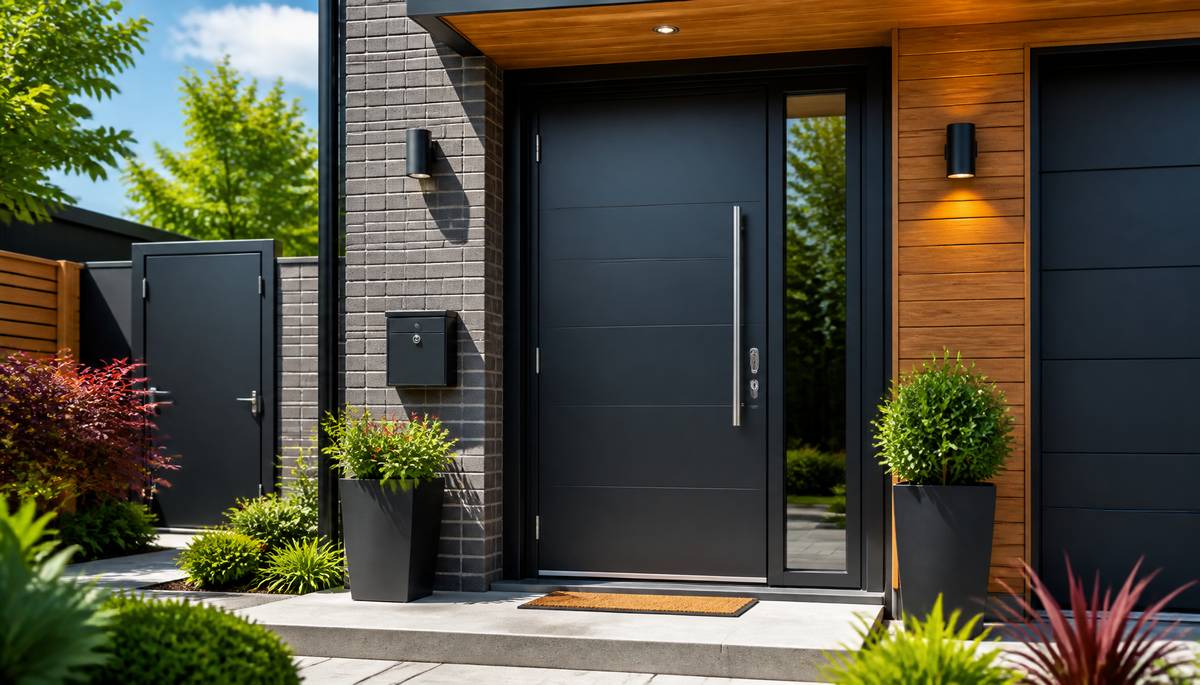
How to Choose the Right Metal Door for Your Property
Selecting a door might seem like a simple decision, but when security, durability and long-term performance matter, choosing the right metal door is critical. Whether you’re outfitting a residential property, a commercial building or an industrial facility, the door you choose can affect safety, insulation, maintenance and even the aesthetic appeal of a space.
This guide explains how to choose the right metal door by breaking down key considerations such as material, performance, climate, usage and cost. It’ll help you make a well-informed choice that meets your specific needs.
Why Choose a Metal Door?
Metal doors are often preferred in modern construction because they combine strength and reliability. Compared with timber or plastic alternatives, metal doors resist warping, offer better security and can deliver excellent fire, impact and weather performance. They’re commonly used for external entrances, fire exits, industrial loading bay doors and communal access points in residential buildings.
The most popular metal options are steel and aluminium. Both have unique strengths, and understanding how they differ is essential when choosing the right door for your property.
Start with the Material: Steel or Aluminium
The first step in choosing a metal door is understanding the differences between steel and aluminium.
- Steel doors are renowned for strength and durability. They perform well in high-security settings and are often specified where robust protection is required. To explore a comprehensive range of high-performance options, see this collection of doors of steel.
- Aluminium doors are lighter and excel in design flexibility and corrosion resistance, making them ideal for contemporary buildings where aesthetics and ease of use are priorities.
- Your choice between steel and aluminium depends on what you need most from your door: maximum security and strength, or lightweight performance and visual appeal.
Consider Your Environment
The environment where your door will be installed plays a significant role in material choice:
- External doors should be weather-resistant, insulated and robust enough to withstand wind, rain and temperature changes.
- Coastal locations often expose metal doors to salt air, so corrosion resistance becomes even more important.
- Internal fire exits or compartment doors may require doors with specific fire ratings and enhanced performance standards.
Think about where the door will be positioned and the environmental stresses it’ll face over its lifetime.
Assess Security and Performance Needs
Security is a top priority for many property owners. Metal doors should be chosen with features that match the level of protection you require:
- Strength and resistance to forced entry
- Locking mechanisms that meet recognised safety standards
- Fire resistance if required by building regulations
- Impact resistance in high-traffic or industrial settings
High-quality steel doors are often the first choice for security-critical applications because of their structural integrity and ability to integrate advanced hardware.
Think About Insulation and Energy Efficiency
Good insulation isn’t just about comfort; it can also contribute to lower energy bills. When choosing a metal door, check:
- Thermal insulation values
- Seals and weather-stripping
- Frame quality and fit
Doors with excellent thermal performance help reduce heat loss in winter and keep buildings cooler in summer. This is particularly important for homes and offices aiming to meet energy efficiency standards.
Match the Door to Its Purpose
Different uses demand different features. Here are some common considerations:
- Front entrance doors should balance security, aesthetics and insulation.
- Back or side doors might prioritise weather resistance and ease of use.
- Fire exit doors must comply with fire safety regulations and performance standards.
- Industrial access doors may need impact resistance and robustness to handle heavy use.
Choose a door that’s designed for the role it’ll play, rather than selecting one that looks right but may not perform adequately.
Budget and Lifespan
While cost is always a factor, it’s important to look beyond the initial price. A durable metal door with a longer lifespan often provides better value over time than a cheaper option that will need frequent repairs or replacement.
Consider:
- The expected lifespan of the door
- Maintenance requirements
- Warranty and after-sales support
- Installation costs
High-quality steel doors are often cost-effective over the long term due to their durability and low maintenance needs.
Aesthetic and Design Considerations
Though performance is key when choosing a metal door, appearance matters too. A well-designed door can enhance the look of a building.
Modern metal doors come in a variety of finishes, colours and styles. Aluminium is often chosen for sleek contemporary designs, while steel can offer a more traditional or industrial appearance depending on the finish.
Think about how the door will complement the overall look of your property.
|
|

