Why Garden Rooms Are Worth More Than the Building Cost
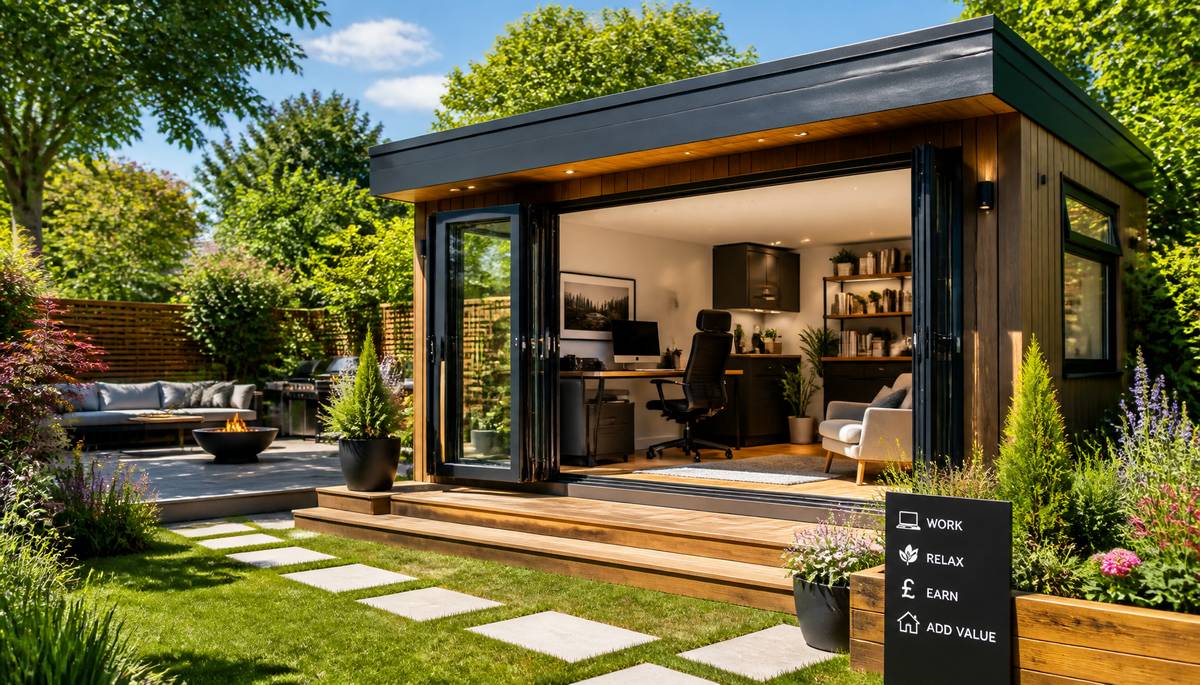 Garden rooms cost money.
A basic insulated structure with power and windows starts around £15,000. A proper garden room with plumbing, heating, and decent finishes easily reaches £30,000 to £40,000. At the high end, you are looking at £60,000 or more.
Those numbers make people hesitate. That is sensible. But the cost is only half the calculation. The value tells a different story.
Garden rooms deliver returns most home improvements cannot match. Extra living space without extending your house. A dedicated workspace during a time when home working has become permanent. Rental income if you need it. Property value that increases by more than you spent.
The numbers work. You just need to understand how.
The Space Problem Most UK Homes Share
British houses are small. Smaller than they used to be. New builds average around 925 square feet, down from over 1,000 square feet in the 1970s. Older homes often have more space but awkward layouts.
Families grow. Children need bedrooms. Teenagers need somewhere away from parents. Adults want home offices now that commuting five days a week feels archaic. But extending upward means planning permission, structural calculations, and costs that spiral quickly. Extending sideways eats your garden and disrupts the whole house for months.
A garden room solves the space problem without the complications. No planning permission needed if you follow the rules. No builders traipsing through your kitchen. No temporarily moving out while they knock through walls. The disruption happens outside.
You get 150 to 250 square feet of usable space. Not enormous. But enough for an office, a studio, a gym, a playroom, or a guest suite. The key difference from an extension is that garden rooms feel separate. That separation creates value beyond the square footage.
What Makes Garden Rooms Different from Sheds
A shed stores things. A garden room extends your life.
The distinction matters. Sheds are functional. You keep the lawnmower in them. Garden rooms are habitable. You spend time on them by choice, not necessity.
This comes down to insulation, utilities, and finish quality. A proper garden room has insulation in the walls, floor, and roof. Double glazed windows and doors. Electricity for lighting, heating, and power sockets. Some have plumbing for sinks or bathrooms. The interior finish matches your house, not a tool storage area.
Temperature control separates the two most clearly. Sheds are freezing in winter and sweltering in summer. Garden rooms stay comfortable year round. That difference determines whether you actually use the space or just admire it through the kitchen window.
According to research from the Federation of Master Builders, well insulated garden buildings can be used comfortably 12 months a year in the UK climate. Without proper insulation, they are genuinely pleasant for maybe four months.
The Home Office That Actually Works
Working from home sounded brilliant until everyone tried it. Sitting at the kitchen table. Video calls interrupted by deliveries. No separation between work and home life. The dining room as a makeshift office stopped being charming around month two.
Garden offices solve this properly. Physical distance from the house creates psychological distance from domestic distractions. Walk across the garden to start work. Walk back when you finish. The commute takes 30 seconds but the mental separation is real.
Size matters less than you might think. A 3 metre by 3 metre room gives you enough space for a desk, chair, shelving, and a small seating area. Plenty for focused work. Bigger if you need meeting space or want a more relaxed setup.
Professional garden offices include everything needed for productive work. Heating so winter mornings are tolerable. Good lighting for dark afternoons. Enough power sockets for equipment. Internet connection either wired from the house or via wifi extenders. Some people add kitchenettes with a kettle and mini fridge to minimise trips indoors.
The tax implications interest people who are self-employed. If you use a garden office exclusively for business, you can potentially claim capital allowances on the building cost and running expenses. Speak to an accountant before assuming anything, but the tax benefits can offset a meaningful chunk of the investment.
More importantly, garden offices let you actually stop working. When your office is the spare bedroom, work bleeds into evenings and weekends. You see the laptop. You check one email. Suddenly it is 10pm and you have spent three hours working without noticing. A separate building makes boundaries possible.
Rental Income Nobody Expected
Airbnb changed how people think about spare space. A garden room with a bed, bathroom, and basic kitchen can generate rental income.
Earnings vary wildly by location. Urban areas and tourist destinations command higher rates. Rural spots attract weekend breaks. Average nightly rates in desirable UK locations range from £60 to £150. Occupancy rates depend on how much effort you put into marketing and management.
Even conservative estimates show potential. Rent a garden room 10 nights per month at £80 per night. That is £800 monthly, £9,600 annually. Enough to cover the cost of a £30,000 garden room in three to four years before you factor in tax and running costs.
The regulations matter. Planning permission rules for garden rooms assume domestic use. If you are running what amounts to a small hotel, councils may take interest. Building regulations for habitable garden rooms are stricter than for storage or hobby spaces. Insurance needs updating to cover commercial activity.
Some people rent to long term lodgers instead of short term guests. A self contained garden room appeals to students, young professionals, or anyone wanting affordable accommodation with privacy. Monthly rent typically ranges from £400 to £800 depending on facilities and location.
The flexibility is the real benefit. Rent it when you want extra income. Use it yourself when you do not. That optionality has value even if you never list it online.
Property Value Increases That Exceed Building Costs
Estate agents will tell you garden rooms add value. How much depends on quality, size, and local market conditions.
Research by the Royal Institution of Chartered Surveyors suggests well executed garden rooms can add 5% to 10% to property values. On a £350,000 home, that is £17,500 to £35,000. Build a decent garden room for £25,000 and the numbers work before you factor in any use you get from it.
Not all garden rooms add equal value. A basic shed with power adds little. A professionally designed, properly insulated, beautifully finished garden room that could feature in a magazine adds substantially more. Buyers pay for quality they can see and feel.
Location on the plot matters. A garden room that overlooks the house or blocks light to main rooms detracts from value. One positioned thoughtfully, perhaps screened by planting or tucked into a corner, feels like a bonus rather than an obstruction.
The property value argument works best when you are already planning to move within five to 10 years. The return happens at sale. If you are staying put for 20 years, the return comes from use and enjoyment rather than resale value.
Uses That Justify the Investment
Garden rooms work hardest when they solve specific problems.
Home gyms are popular. No membership fees. No driving to the gym. No waiting for equipment. Insulated rooms mean you can exercise in any weather without heating the whole house. Flooring designed for weights and cardio equipment. Mirrors on walls. Exactly the equipment you actually use, not what the gym thinks people want.
Art studios need good light, ventilation, and space to make mess without worrying about carpets. North facing windows give consistent natural light. High ceilings accommodate larger canvases. Vinyl or concrete floors tolerate paint spills and cleaning products.
Music rooms benefit from separation. Practise drums or saxophone without annoying everyone in the house. Insulation helps with sound dampening though proper soundproofing requires additional work.
Teenage retreats give older children independence while keeping them close. A place to hang out with friends, watch films, or just escape parents. This matters more as children become teenagers and sharing bedrooms stops working.
Therapy rooms, treatment rooms, or consultation spaces work for professionals who see clients at home. Separate entrance, toilet facilities, professional finish. Keeps business separate from family life.
Creating outdoor living spaces often involves garden rooms as anchors for larger entertaining areas, combining covered structures with open patios, fire pits, and outdoor kitchens to create genuinely usable year round spaces.
The Cost Breakdown Most People Miss
The building price is obvious. The ongoing costs are not.
Heating a garden room in winter adds to energy bills. How much depends on insulation quality and how warm you keep it. A well insulated 20 square metre room might cost £15 to £30 monthly to heat to comfortable temperatures. Poorly insulated spaces cost significantly more.
Insurance increases slightly. The building itself is usually covered under home insurance but check. Contents inside the garden room need separate cover. Using it for business or renting it out requires specific insurance.
Maintenance is minimal if built properly. Annual checks on roof seals, window frames, and door mechanisms. Clearing gutters if fitted. Treating timber cladding every few years if using wood. Painted finishes might need refreshing after five to seven years.
The hidden cost nobody mentions is furniture and fitting out. The shell is just the start. You need heating, flooring, furniture, curtains or blinds, possibly a kitchenette or bathroom fittings. Budget another £3,000 to £8,000 depending on intended use. That toilet and sink add up quickly once you factor in waste pipes and plumbing.
Mistakes That Waste Money
Cheap garden rooms seem appealing until you use them. Thin walls. Single glazed windows. No proper insulation. Inadequate electrics. These fail after a few years or prove unusable in winter.
Undersizing is common. People try to save money with the smallest possible room. Then discover it feels cramped and uncomfortable. An extra metre in each direction transforms usability. The cost difference is not huge but the space difference is substantial.
Ignoring planning regulations causes problems. Permitted development rights let you build garden rooms without planning permission if you follow the rules. Maximum height limits. Distance from boundaries. Percentage of garden coverage. Break these rules and the council can force removal.
Poor positioning ruins otherwise good garden rooms. Too close to the house and it feels like an awkward annex. Too far away and you will not use it in winter when walking across a dark, wet garden feels unappealing. Think about access, privacy, and sun orientation.
Skimping on groundwork creates issues. Garden rooms need proper foundations. Concrete bases, properly levelled and drained. Cutting corners here leads to damp, movement, and structural problems. False economy.
When Garden Rooms Make Sense
If you need space and cannot extend your house, garden rooms offer a practical alternative. They work best when you have a clear use case and realistic expectations about costs and limitations.
They do not suit everyone. Small gardens where a garden room would dominate the outdoor space. Properties without decent garden access for materials and machinery. Households that barely use the garden now and probably will not trek to a separate building regularly.
The best candidates are families where multiple people need separate spaces, home workers who need proper offices, or households wanting to generate rental income. The return, both financial and practical, justifies the investment.
Quality matters enormously. A well designed, properly built garden room becomes a valued part of your property. A cheap one becomes a regret.
Choose suppliers based on past work, materials used, and aftercare offered. See completed projects if possible. Check reviews. Ask about guarantees. This is not a purchase where cheapest wins.
Garden rooms cost money upfront. The value accumulates over time. Extra space. Property value. Rental income. Tax benefits. Quality of life improvements from having dedicated spaces for specific activities.
Run the numbers for your situation. Factor in how you will actually use the space. Be realistic about costs including fit out and running expenses. The investment makes sense when the numbers work and the space solves a real problem.
Otherwise, it is just an expensive shed.
|
|

