Number of listings removed from our directory since 1st November 2019 = 3224
|
Why Your Front Garden Deserves As Much Attention As Your Back Garden
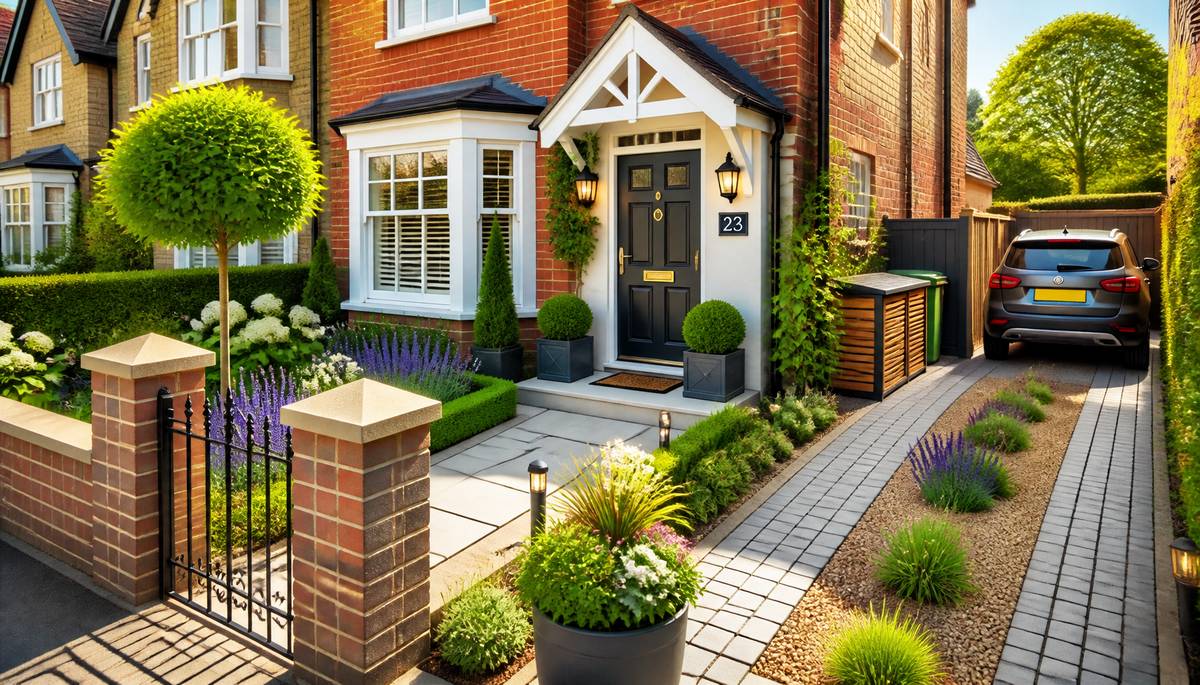 Most homeowners lavish time, money, and thought on their back gardens. They install patios, build raised beds, plant borders, hang lighting. The back garden becomes an extension of the home, carefully designed and maintained.
Then there's the front garden. Functional at best. Neglected at worst.
A strip of tired lawn. Weeds poking through gravel. Cracked paving. Bins sitting permanently by the front door. Maybe a few overgrown shrubs that haven't been pruned in five years.
This division makes no sense. Your front garden is the first thing you see when you come home. It's what visitors judge your property by before they've even knocked. It's what estate agents photograph first when you sell.
Yet it gets treated like the poor relation.
There are good reasons to invest equal attention in your front garden. Not just vanity reasons about what the neighbours think, though that matters too. Practical reasons that affect your daily life and your property value. Exploring front garden design ideas can transform how you approach this often-overlooked space and help you create an entrance that actually works.
The Front Garden Gets Seen More Often
Think about how often you actually sit in your back garden. Spring and summer evenings, maybe. Weekends when the weather's decent. A handful of barbecues each year.
Now think about how often you see your front garden. Every single time you leave the house. Every time you come home. Every time you open the curtains. Every time you take the bins out.
You interact with your front garden dozens of times per week. Your back garden? Perhaps a few times if you're lucky.
The space you see most frequently should surely get some design attention.
A well-planned front garden lifts your mood each time you arrive home. After a difficult day at work, pulling up to a welcoming entrance with tidy planting and clean paving makes a difference. It signals that you're somewhere cared for.
A neglected front garden does the opposite. It's a daily reminder of jobs undone. That crack you keep meaning to fix. Those weeds you should really pull. The hedge that needs cutting.
These small frustrations accumulate. Your front garden affects your wellbeing more than you might think, simply because you see it so often.
First Impressions Form Instantly
Estate agents consistently report that curb appeal influences viewing decisions and sale prices. According to research by the < ahref="https://www.rhs.org.uk/garden-design/front-garden-designing">Royal Horticultural Society, a well-maintained front garden can add up to 20% to your property value.
That's not a trivial sum. On a £300,000 property, we're talking about £60,000 of additional value from tidying your entrance.
Buyers form judgements quickly. They've often decided whether they're interested before stepping through the front door. A scruffy front garden suggests the inside might be similarly neglected. A smart entrance implies care and attention throughout.
Even if you're not selling, these impressions matter. Visitors notice. Your children's friends notice. The person delivering your parcel notices. Everyone who comes to your home sees your front garden first.
You wouldn't leave your hallway in a state of disrepair. The front garden is essentially your outdoor hallway.
Front Gardens Work Harder Than Back Gardens
Your back garden might have one job: relaxation. Maybe two if you count barbecuing.
Front gardens juggle multiple demands. Parking. Bin storage. Access to the front door. Space for deliveries. Meter access. Somewhere to scrape muddy boots before coming in.
These practical requirements don't disappear just because you're ignoring them. They're happening anyway, just messily.
Bins sitting permanently by the front door because there's nowhere else to put them. Cars parked awkwardly on the lawn because the driveway's too small or badly designed. Delivery drivers leave parcels in puddles because there's no proper pathway.
Front gardens need better planning precisely because they work harder. A thoughtfully designed front garden accommodates all these functions elegantly.
Proper bin storage that keeps wheelie bins out of sight but accessible for collection day. Paving that provides enough parking without dominating the entire space. A clear path from gate to door that actually drains properly.
Getting these elements right transforms how your front garden functions daily.
Weather Affects Front Gardens Differently
Front gardens face the street. They're exposed to passing traffic, winter salt spread on roads, and often receive less shelter than back gardens tucked behind the house.
North-facing front gardens stay damp and shaded for much of the year. Moss colonises paving. Grass struggles to thrive. Shade-loving plants become essential.
South-facing plots bake against the house wall in summer. Reflected heat can scorch plants positioned too close to rendered walls.
These conditions demand specific solutions. You can't simply repeat what worked in your back garden and expect the same results.
Front gardens also deal with pollution more directly. Car fumes, dust from passing traffic, and grit all affect plant choices. Tough, resilient species cope better than delicate perennials that might flourish in your sheltered back garden.
Understanding these different conditions helps you make better choices about materials and plants.
The Parking Dilemma
Many front gardens have been entirely paved to create parking space. This solves one problem while creating several others.
Completely hard-surfaced front gardens contribute to flooding. Water that would have soaked into soil now runs straight into already overloaded drains. The Environment Agency reports that impermeable front garden surfaces worsen localised flooding during heavy rainfall.
There are also planning implications. If you pave more than five square metres with impermeable materials, you need planning permission unless water drains to a permeable area. Many homeowners don't realise this and risk enforcement action.
Permeable alternatives exist. Permeable block paving, resin-bound surfaces, gravel, and grass reinforcement mesh all provide parking while allowing drainage.
Better still, you don't need to pave the entire space. Wheel tracks with planting between reduce hard surfacing significantly. Two paved strips for your car's wheels, with gravel or low planting in the middle, give you functional parking without sacrificing all your green space.
Narrow planting beds along boundaries preserve softening greenery even where most of the front garden needs to be driveway.
The point is: parking requirements don't automatically mean your front garden must become a car park. With thought, you can accommodate vehicles while maintaining some garden character.
Small Spaces Still Matter
Many front gardens are genuinely small. A narrow strip between the house and pavement. Barely enough room for a path and perhaps a token shrub either side.
Small doesn't mean not worth bothering with.
Even in minimal space, you can make choices that improve things. Quality paving instead of cracked concrete slabs. Tidy edging instead of ragged lawn meeting gravel. A couple of well-chosen evergreen shrubs instead of straggly overgrown specimens.
These improvements cost money, yes. But they're visible improvements you see multiple times daily rather than enhancements to a back garden you might use once a week.
The return on investment in terms of daily satisfaction arguably exceeds what you'd get from the same money spent in a back garden you rarely inhabit.
Small front gardens also benefit from restraint. One beautiful container by the front door often looks better than three mediocre ones. Quality matters more than quantity when space is limited.
Boundaries Frame Everything
The boundary between your front garden and the street defines how your property appears from the pavement.
Low walls suit period properties and create clear definition without blocking sightlines. Rebuilding or restoring original walls maintains architectural character.
Hedging provides living boundaries. Evergreens like yew, box, or privet screen year-round and soften the transition between public and private space. They need regular trimming, but this is straightforward maintenance rather than specialist work.
Railings complement Victorian and Edwardian properties. Many original railings were removed during wartime metal collection drives; reproduction designs can restore period character lost decades ago.
High close-board fencing creates instant privacy but often looks defensive in front gardens. Where screening is necessary, slatted panels or woven willow hurdles appear less forbidding.
The right boundary treatment dramatically improves how your front garden presents to the street. It's often one of the most impactful changes you can make.
Lighting Changes Everything
Back garden lighting creates atmosphere for evening entertaining. Front garden lighting serves a more practical purpose: safe access after dark and security.
Path lighting ensures you can see where you're walking when returning home in winter. Low-level fittings illuminate the route without glare.
Step lighting prevents trips and falls. Proper illumination at level changes is a safety requirement, not a luxury.
Door lighting provides security and convenience. You can see who's at the door before opening it. Visitors can find the bell easily.
Timer or sensor control means lights operate automatically. You don't need to remember to switch them on each evening or off each morning.
Lighting installed properly transforms your front garden's usability and safety. According to National Home Security Month, well-lit entrances deter opportunistic crime while making residents feel safer.
The back garden might manage without lighting for months at a time. Your front garden benefits from lighting every single day.
Maintenance Realities
Be honest: how much garden maintenance do you actually enjoy doing?
Most people underestimate the ongoing work required to keep gardens looking good. Front gardens, visible to everyone and used daily, show neglect faster than back gardens hidden behind the house.
This argues for lower-maintenance approaches in front gardens rather than high-maintenance plantings that demand constant attention you're unlikely to give them.
Evergreen structure plants like box, yew, and pittosporum need minimal pruning and look good year-round. Seasonal colour can come from bulbs naturalised in gravel or containers by the front door that you can swap out when they finish flowering.
Artificial grass suits shaded front gardens where real grass struggles and you can't be bothered with the weekly mowing that thin, moss-ridden lawn demands anyway.
Gravel with weed-suppressing membrane beneath requires periodic topping up but little other maintenance beyond removing the occasional weed that establishes.
Design your front garden for the maintenance you'll actually do, not the maintenance you think you should do. A low-maintenance front garden that looks good beats an ambitious scheme that descends into chaos within six months.
The Cohesion Factor
Your front and back gardens don't need to match exactly. They serve different purposes and face different conditions.
But they should feel like they belong to the same property.
Materials that appear in both gardens create visual links. Use the same paving in both spaces, or complementary materials that clearly relate to each other.
Planting style can echo between front and back. If you favour formal clipped hedging in your front garden, stark cottage garden abundance in the back feels jarring. Some continuity in approach helps the spaces feel connected.
Boundaries, lighting fixtures, and built elements work best when they share design language across both gardens.
Think of your property as a complete entity. The front and back gardens are different rooms in the same house. They can have distinct characters while clearly belonging together.
When to Get Professional Help
Some front garden work suits DIY. Planting containers, laying gravel, painting the front door.
Other jobs benefit from professional expertise. Anything involving drainage, levels, or foundations should be done properly the first time.
Paving installation requires proper sub-base preparation. Get this wrong and your beautiful new driveway will crack and subside within a couple of years. The cost of doing it twice vastly exceeds the cost of professional installation initially.
Landscaping companies assess drainage, plan levels correctly, specify appropriate materials for your conditions, and install everything to standards that last.
They also handle planning requirements if needed. Professional installers know when permission is required and can navigate the process.
For significant front garden redesigns involving multiple elements, professional design and installation often delivers better results than piecemeal DIY attempts.
Start With What Bothers You Most
Complete front garden redesigns are expensive. Start smaller if budget dictates.
What bothers you most about your current front garden? That's usually the right place to begin.
If it's the cracked driveway, address that first. New paving makes an immediate, visible difference you'll appreciate daily.
If overgrown shrubs blocking windows frustrate you, deal with those. Proper pruning or replacement opens up space and light.
If bins sitting by the front door annoy you every time you come home, install proper bin storage. The improvement to daily life exceeds the modest cost.
Small changes compound. One improvement often motivates the next. Within a couple of years you can transform a front garden through incremental upgrades rather than one overwhelming project.
Your Front Garden Reflects Your Priorities
The state of your front garden sends signals whether you intend it to or not.
A well-maintained entrance suggests someone who cares about their home and takes pride in their property. A neglected front garden implies the opposite, fairly or not.
This matters when you're trying to sell. It matters when you want to feel good about where you live. It matters when your home is your largest financial asset.
Your back garden is private. Your front garden is public. Both deserve attention, but the front arguably deserves it more because more people see it more often.
Stop treating your front garden as an afterthought. It's the face your property shows to the world. Make it worth looking at.
|
|
|

