How to Monitor Nocturnal Wildlife Activity Where You Live
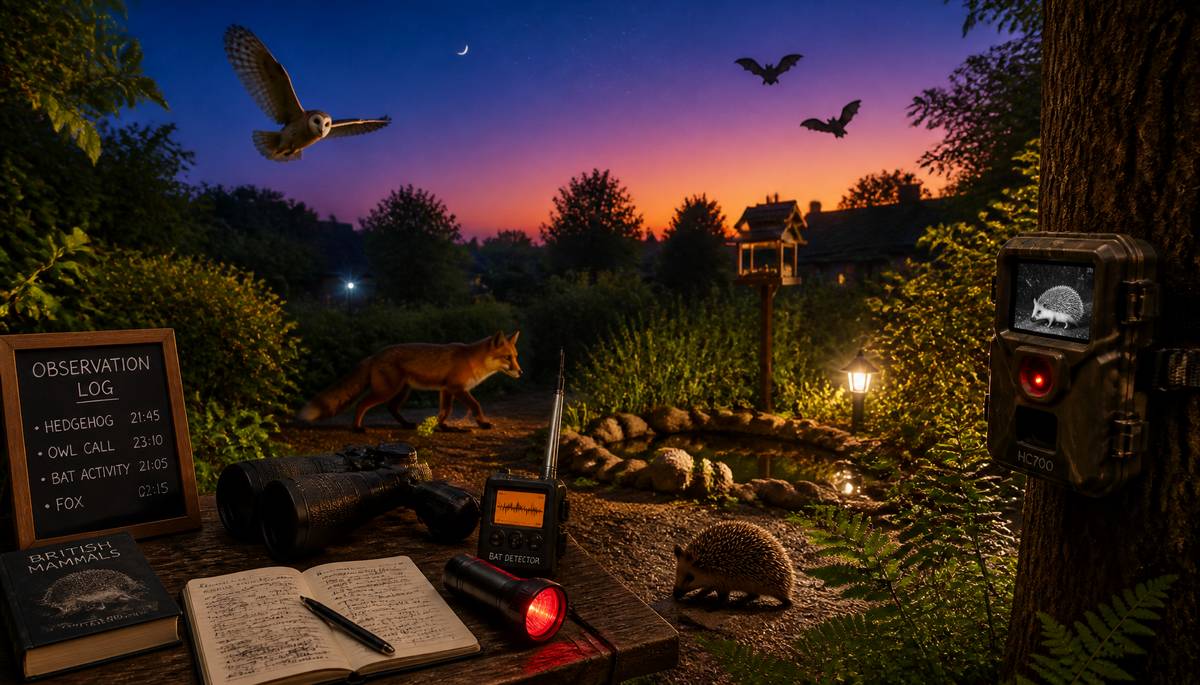 Nocturnal wildlife often goes unnoticed, yet the hours after dusk are when many fascinating species emerge. From hedgehogs and owls to foxes and bats, observing these creatures can be both thrilling and enlightening. Monitoring nocturnal wildlife requires patience, preparation and the right equipment, but it’s entirely feasible, even in urban or suburban areas.
Choose the Right Location
The first step in observing nocturnal wildlife is to identify suitable locations. Gardens, local parks, wooded areas or even ponds can provide glimpses of nocturnal animals. Look for signs of activity such as footprints, droppings or chewed vegetation. A quiet, sheltered spot away from artificial lighting and constant human activity will increase the likelihood of encounters. Remember, wildlife is sensitive to disturbance, so keeping noise to a minimum is essential.
Use Technology to Your Advantage
Technology has made nocturnal observation much easier. Motion-activated trail cameras or infrared cameras are excellent tools for capturing images of animals without disturbing them. Placing cameras along known wildlife paths, near water sources or around bird feeders can provide a wealth of information about local activity. For those interested in the skies, a bat detector is invaluable. These devices convert ultrasonic bat calls into audible sounds, allowing you to identify species and monitor their presence over time.
Timing is Key
Different nocturnal species have varying activity patterns. Bats, for instance, are most active just after sunset, while owls often hunt later in the night. Hedgehogs tend to roam in the hours following dusk and before dawn. Understanding these patterns can help you plan monitoring sessions for the most productive times. Observing over multiple nights will also provide a clearer picture of regular activity versus occasional visits.
Minimise Disturbance
When monitoring nocturnal wildlife, it’s crucial to minimise disturbance. Avoid using bright torches or shining lights directly at animals, as this can disrupt natural behaviours. Red or green light filters are gentler alternatives. Similarly, keep a safe distance and use binoculars or camera zooms instead of approaching animals too closely. The goal is to observe natural behaviour, not to interfere.
Record and Analyse Your Findings
Keeping detailed records of what you observe is vital for understanding nocturnal wildlife activity. Note the species, time of observation, weather conditions and any patterns noticed. Photos, videos, and audio recordings can provide a valuable archive for comparison over time. Analysing these records can help identify trends, such as seasonal changes in activity or responses to environmental factors.
Engage With Local Wildlife Groups
Finally, connecting with local wildlife or conservation groups can enhance your monitoring experience. These communities often offer expert guidance, workshops and opportunities to contribute to citizen science projects. Sharing your findings can also support broader conservation efforts, helping to protect nocturnal species in your area.
Monitoring nocturnal wildlife can transform how you experience the natural world around you. By selecting the right locations, using appropriate technology, respecting wildlife and documenting observations, you can uncover the hidden lives of creatures that thrive in the dark. With a little patience and curiosity, your evenings can become a journey into the secret world of nocturnal animals.
|
|

