Choosing a Kitchen Worktop Based on Maintenance Reality Not Showroom Lighting
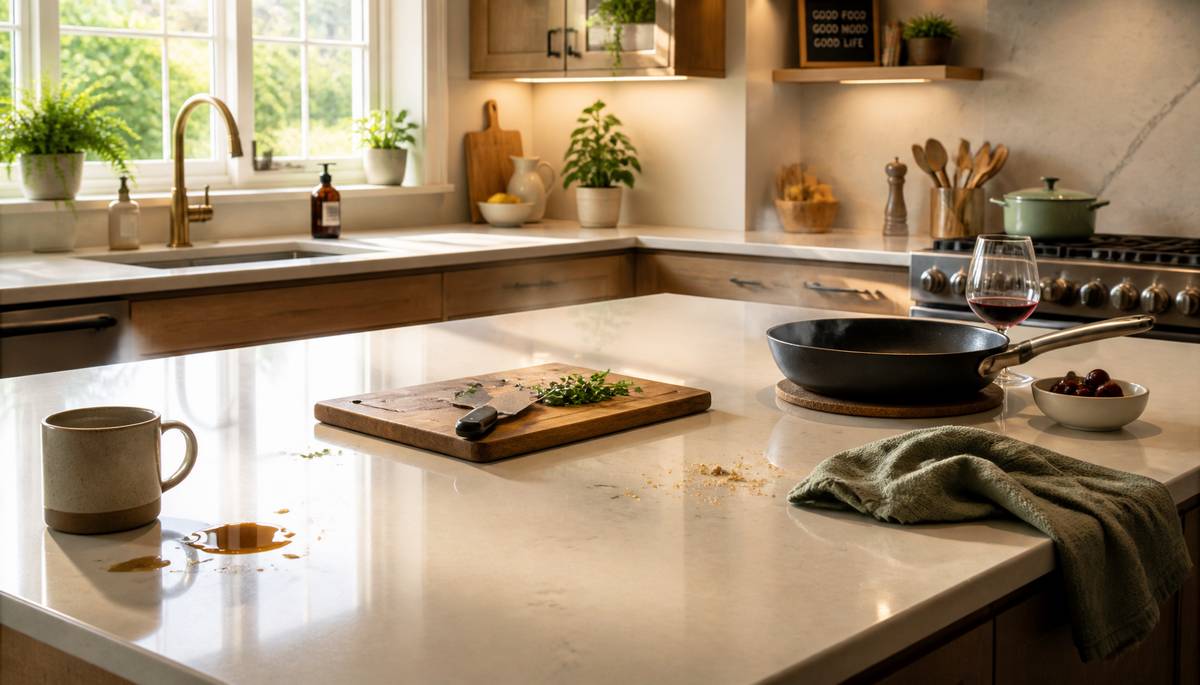 A kitchen worktop looks its best on the day it meets overhead spotlights and nobody has touched it yet. After that, life begins. Spills arrive unannounced, crumbs develop impressive travel skills, and hot pans test boundaries. This is why choosing surfaces from glossy displays alone is risky business. Early research into kitchen worktops pays off when the lighting is ordinary and dinner is late.
Maintenance reality is about what happens on a Tuesday evening, not a staged Saturday afternoon. Some materials forgive chaos. Others remember everything.
Daily Cleaning Versus Aspirational Cleaning
Every worktop claims to be easy to clean. The definition of “easy” varies dramatically. Laminate and quartz tend to ask very little. A wipe, mild cleaner, and the situation is handled. Solid surfaces like granite or marble may look unbothered at first, but they quietly collect requirements.
Natural stone often needs gentler products, faster wipe-downs, and more attention to acidic spills. Leave lemon juice too long and it leaves a calling card. Wood surfaces want regular oiling and quick responses to moisture, which sounds manageable until life gets busy.
This paragraph stays serious because daily cleaning habits determine long-term satisfaction more than appearance ever will.
The Long Game of Sealing, Oiling, and Remembering Dates
Some worktops come with calendars whether you want them or not. Natural stone usually requires sealing at intervals. Solid wood prefers oiling to stay stable and presentable. Forgetting these tasks doesn’t cause immediate collapse, but it does invite staining, dullness, and regret.
Engineered surfaces often trade character for consistency. Quartz rarely needs sealing and resists staining well. Laminate asks almost nothing beyond basic care. These materials appeal to people who want reliability without routine reminders.
There is no correct choice here. There is only an honest one.
Heat, Knives, and the Myth of Indestructibility
No worktop enjoys direct heat or sharp blades, despite marketing optimism. Some tolerate mistakes better than others. Granite handles heat reasonably well but can crack under thermal shock. Quartz dislikes excessive heat. Laminate resents both heat and knives with enthusiasm.
- Always use trivets, regardless of material
- Cutting boards extend every surface’s life
- Small habits prevent large disappointments
This section is practical because habits outlast warranties.
Stains That Linger and Stories They Tell
Porous materials absorb spills slowly but surely. Coffee, wine, and oil are patient. Non-porous surfaces resist staining better but may show scratches or dull patches instead. Each material records use differently.
The question is not whether marks appear, but whether you mind them. Some people enjoy visible wear. Others prefer surfaces that pretend nothing ever happened.
Texture, Finish, and How Much Evidence You Want
Polished worktops reflect light and show marks clearly. Matte finishes hide fingerprints better but may reveal oil smudges over time. Textured surfaces disguise minor wear yet can trap debris if cleaning is rushed.
This is not a flaw. It is a trade-off. Choosing a finish is choosing which imperfections you are willing to notice and which ones you would rather not discuss.
A serious point belongs here. Visual maintenance matters as much as physical care. The right finish reduces how often you feel the need to intervene.
Repairability and the Cost of Small Mistakes
Some worktops allow repairs without drama. Solid wood can be sanded and refinished. Certain solid surfaces permit spot repairs. Others, like laminate, offer no forgiveness. Damage is permanent, visible, and oddly judgemental.
Stone repairs exist but can be expensive and difficult to disguise. Engineered materials often resist damage well but resist repair just as strongly. Understanding this before installation avoids frustration later.
This is another paragraph that does not smile. Repairs cost time and money, and prevention is quieter.
Matching Maintenance to Real Life
Choosing a worktop is less about taste and more about alignment. Households that cook frequently, clean quickly, and move on benefit from resilient, low-maintenance materials. Those who enjoy routine care may appreciate natural materials that reward attention.
Busy kitchens thrive on surfaces that forgive delays. Calm kitchens tolerate schedules.
Wipe Down Decisions
The best kitchen worktop is not the most impressive one under showroom lights. It is the surface that fits daily habits without constant negotiation.
When maintenance expectations match reality, the kitchen stays functional and comfortable. The right worktop does not demand attention. It simply does its job, one wipe at a time.
|
|

