Beyond Fences: Unexpected Functional Uses for Wooden Posts Around Your Property
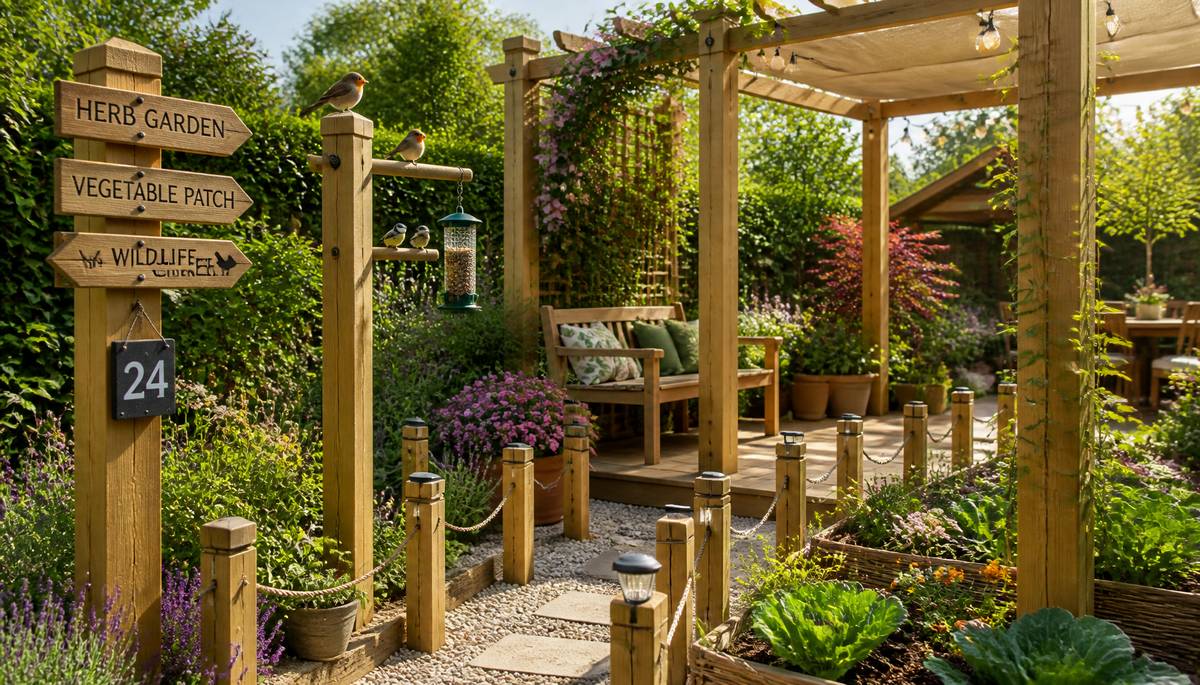 A wooden post is often introduced to a garden with low expectations and a short future. It gets planted, ignored, and told to stand there indefinitely. Yet with minimal imagination and decent installation, that same post can become one of the most versatile tools around a property. Near the start of any rethink, it helps to see them less as fence components and more as upright opportunities, especially when working with quality wooden-posts designed to last outdoors.
Wooden posts excel because they are honest materials. They handle weight, tolerate weather, and look appropriate doing almost anything. This makes them ideal for functional projects that don’t want to feel improvised, even when they absolutely are.
Garden Signage That Does More Than Point
A post holding a sign sounds basic until it isn’t. Wooden posts can anchor practical information without looking temporary or apologetic. Directional signs for larger gardens, herb labels that won’t vanish by midsummer, or house number displays that don’t wobble in the wind all benefit from solid timber support.
The key is depth and treatment. Posts intended for ground contact should be pressure-treated and sunk deep enough to stay upright when weather or enthusiastic pets intervene. Surface-mounted posts can work for lighter signage, but permanence always benefits from soil.
This section deserves seriousness. Stability matters. A leaning sign quietly undermines everything it says.
Bird Perches With Actual Purpose
Bird feeders get attention, but perches do the real work. A wooden post with crossbars or simple arms gives birds a resting place that keeps them visible and off fragile plants. It also discourages them from choosing less convenient options like railings, sheds, or the roof edge directly above a clean patio chair.
Height matters here. Too low and the birds feel exposed. Too high and you’ve created an observation tower for squirrels. Posts allow easy adjustment until the balance feels right.
There is also an unintended benefit. Once birds accept a post as neutral territory, they stop using your fence as a meeting room.
Outdoor Seating Without the Furniture Store
Posts can quietly support seating structures that feel deliberate rather than improvised. Two vertical posts with a horizontal beam become a bench anchor. Four posts define the corners of a simple sitting area that can be adapted later.
This approach works especially well on uneven ground where flat-pack furniture quietly gives up. Posts can be set level regardless of terrain, and seating added afterward without negotiation.
- Use treated timber rated for structural use
- Set posts deeper for load-bearing applications
- Allow for drainage at the base to extend lifespan
This is where posts stop being accessories and start becoming infrastructure.
Vertical Gardens That Behave Themselves
Climbing plants love structure but resent flimsy promises. Wooden posts give vines, espaliered fruit, and flowering climbers something reliable to work with. Whether supporting wires, trellises, or open frameworks, posts prevent plants from improvising across fences and windows.
Spacing matters more than aesthetics here. Posts should be positioned to guide growth rather than correct it later. That saves pruning time and prevents the quiet takeover that starts politely and ends with regret.
Pergolas and Shade Without Full Commitments
Pergolas have a reputation for being major projects, but at their core they rely on one thing: well-set wooden posts. A few properly installed uprights can support shade sails, slatted roofs, or climbing plants without turning the garden into a construction zone for weeks.
Posts allow pergolas to grow gradually. Start with the verticals, live with the space, then add overhead elements once the position proves itself. This approach reduces mistakes and keeps the structure adaptable. It also avoids the disappointment of building something impressive that turns out to block the afternoon sun at exactly the wrong time.
This is another serious moment. Structural posts should be aligned carefully, anchored securely, and treated appropriately. Shade is enjoyable. Collapse is not.
Subtle Boundaries That Don’t Feel Defensive
Not every boundary needs a fence. Wooden posts can mark transitions between areas without creating visual barriers. A line of posts along a path edge, around a seating zone, or beside a vegetable patch provides definition without enclosure.
These posts can support lighting, rope guides, or simply exist as markers. The effect is gentle separation rather than restriction. This works particularly well in shared or open gardens where full fencing would feel excessive or unwelcoming.
Sometimes the most effective boundary is one that politely suggests rather than insists.
Materials, Treatment, and Not Regretting Things Later
The usefulness of wooden posts depends heavily on choosing the right material. Softwoods are common and cost-effective but must be pressure-treated for outdoor use. Hardwoods last longer naturally but require thoughtful sourcing and proper installation.
Posts in ground contact should be rated accordingly and installed with drainage in mind. Gravel at the base, correct depth, and breathable finishes all extend lifespan significantly. Surface-mounted posts reduce rot risk but trade off some stability.
This paragraph stays serious because replacement is always more expensive than preparation.
Posts With a Point
Wooden posts don’t need to stand guard at the edge of a property to earn their place. They support, divide, elevate, and quietly improve outdoor spaces in ways that fencing alone never will.
When used creatively and installed properly, they become adaptable tools rather than fixed decisions. The best part is that they remain open to change. A post that supports a sign today can hold a light tomorrow or a vine next year.
That flexibility is what keeps them relevant. Once a post is planted with intention, it rarely runs out of useful things to do.
|
|

