A Simple Guide to Finding Reliable Planning Consultants in the Northwest
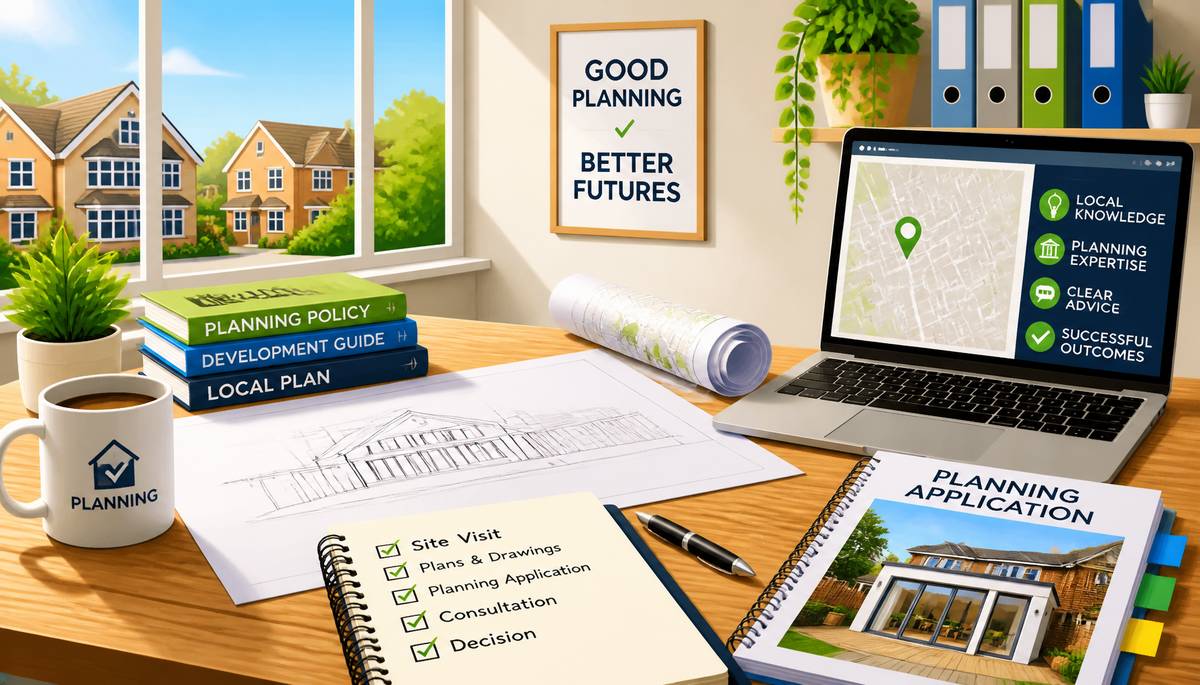 If you’ve ever tried sorting out planning rules yourself, you’ll know it gets complicated fast. One minute you’re filling in a form, the next you’re buried under drawings and regulations, wondering how it all became so much work. That’s why so many homeowners and businesses look for a planning consultant to help make sense of it all.
The real challenge is finding someone reliable — someone who actually knows what they’re doing and won’t leave you more confused than before. Below is a straightforward guide to help you find the right planning consultant in your area.
Start With Someone Who Understands Your Type of Project
Planning isn’t one-size-fits-all. Extensions, loft conversions, new builds, and commercial units all come with different rules. Before choosing a consultant, check whether they’ve handled projects like yours before.
Most reputable planning consultants will happily show examples of past work or talk through how they’ve managed similar applications. If they can discuss local policies confidently and without hesitation, that’s usually a good sign.
Check Their Local Knowledge — It Really Matters
Planning rules may look similar on paper, but each council interprets them differently. A consultant with strong local knowledge is extremely valuable. They’ll understand what your council tends to approve, what they often reject, and how strict they are on specific details.
This insight can save time, money, and a lot of unnecessary back-and-forth.
If someone claims to be a “local expert” but struggles to speak confidently about your area, that’s a red flag. It’s usually safer to work with trusted planning consultants near me who genuinely know the local landscape.
Look at Reviews, but Read Between the Lines
Online reviews are helpful, but they don’t tell the whole story. Rather than focusing only on star ratings, read what people actually say. Look for mentions of:
- Clear communication
- Honesty and transparency
- How well the process was explained
A consultant who sets realistic expectations and explains potential challenges is often more reliable than someone who guarantees approval every time. No one can promise that.
A quick call with them can also reveal a lot about how they work and communicate.
Ask About Their Process (and See If It Makes Sense)
A good planning consultant should be able to explain their approach clearly and logically. They should cover things like:
- What information they need from you
- How long the process typically takes
- The documents they will prepare
- How they communicate with the council
If their explanation feels rushed, vague, or overly complicated, they may not be the right fit. You’re paying for clarity as much as expertise.
Don’t Forget About Costs and What’s Included
Planning services can vary widely in price, so it’s important to understand what you’re paying for. Some consultants charge a fixed fee, while others work hourly. Neither approach is inherently better — it depends on your project.
Before agreeing, make sure the quote clearly explains what’s included, such as:
- Drawings
- Site visits
- Handling communication with the council
- Revisions or amendments if changes are requested
The clearer the breakdown, the fewer surprises you’ll face later.
Communication Is Just as Important as Credentials
Experience alone isn’t enough if communication is poor. A consultant who takes days to respond or leaves you guessing about next steps can quickly become frustrating.
Choose someone who communicates in a way that suits you, whether that’s regular emails, phone calls, or short progress updates. A consultant who listens carefully and explains things in plain English will make the entire process far less stressful.
Final Thought
Finding a good planning consultant in your area doesn’t need to be difficult. Focus on local knowledge, clear communication, and proven experience with similar projects.
A strong consultant won’t just handle paperwork — they’ll guide you through the process, explain each step clearly, and help make planning feel far more manageable.
|
|

