Why Natural Finishes Continue to Lead Interior Trends
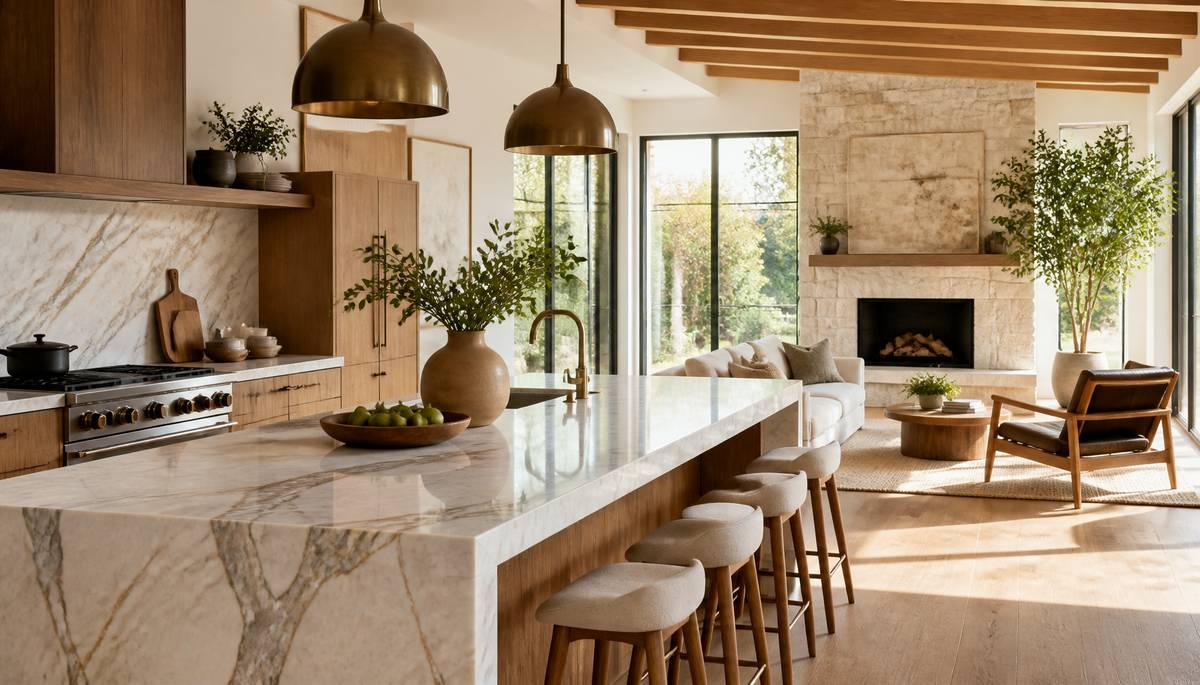 Natural finishes have moved far beyond being a passing trend. From homes to commercial spaces, designers and homeowners alike continue to favour materials that feel authentic, tactile, and enduring. In an age dominated by digital experiences and fast-changing styles, natural surfaces offer a grounding influence that never feels out of place. Their continued popularity speaks to a deeper shift in how people want their spaces to look, feel, and function.
A Return to Authentic Materials
One of the biggest reasons natural finishes remain at the forefront of interior design is the growing desire for authenticity. People increasingly value materials that show real texture, variation, and character rather than uniform, manufactured perfection. Stone, wood, clay, and metal each bring subtle imperfections that give a space depth and individuality.
These materials also age gracefully. Unlike synthetic finishes that often show wear quickly, natural surfaces tend to develop character over time. This ability to tell a story through subtle changes in tone and texture adds emotional value to interiors, making rooms feel lived-in rather than staged.
Timeless Appeal Over Temporary Trends
Interior trends evolve quickly, but natural finishes consistently resist being outdated. While colours, layouts, and styling preferences shift from year to year, materials like wood flooring, stone surfaces, and linen textiles remain visually relevant. Their neutrality allows them to blend into both traditional and contemporary settings without feeling forced.
This timeless quality makes natural finishes a smart investment. Instead of redesigning a space every time trends change, property owners can refresh interiors with accessories and soft furnishings while keeping the core materials intact. This longevity is especially appealing in kitchens and bathrooms, where durability and style must work together.
The Influence of Wellness and Comfort
Modern interior design is closely tied to well-being, and natural finishes play a major role in that connection. Organic textures help soften harsh architectural lines, creating spaces that feel calming rather than clinical. Wood grains, stone veining, and woven materials all contribute to a sensory experience that feels warmer and more inviting.
Natural materials are often associated with better indoor environments as well. They tend to reflect light in softer ways, avoid artificial shine, and contribute to a balanced visual atmosphere. This creates rooms that feel comfortable to occupy for extended periods, whether at home or in professional settings.
Natural Surfaces in Modern Kitchens
Kitchens remain one of the strongest showcases for natural finishes. As the heart of the home, they benefit from materials that feel both durable and visually rich. Stone surfaces, in particular, continue to dominate because of their strength, practicality, and natural beauty. Many homeowners now favour solid marble worktops because they combine visual elegance with the tactile appeal of natural stone, making the kitchen feel both refined and welcoming.
Pairing these surfaces with wood cabinetry, soft neutral tiles, and minimal hardware allows the material itself to become the focal point. This approach reduces the need for excessive decoration and keeps the design looking clean and balanced.
Sustainability and Long-Term Thinking
Sustainability has become a powerful driver behind interior design decisions. Natural finishes are often chosen not only for their beauty but also for their potential longevity and reduced environmental impact when responsibly sourced. People are increasingly aware of the drawbacks of fast furniture and disposable design, opting instead for materials that can last for decades.
Natural materials also lend themselves well to repair and restoration. A scratched wooden surface can be refinished, and stone can be re-polished, extending the life of installations without requiring full replacement. This long-term mindset aligns closely with modern values around waste reduction and conscious consumption.
Adaptability Across Interior Styles
Perhaps one of the most impressive qualities of natural finishes is their versatility. They fit seamlessly into rustic, industrial, minimalist, and luxury interiors alike. The same stone surface can feel bold and dramatic in one setting or soft and understated in another, depending on how it is paired with lighting, colour, and layout.
This adaptability allows designers to experiment with contrast while maintaining cohesion. Natural textures balance sleek metals, glossy surfaces, and modern forms, preventing interiors from feeling cold or overly rigid.
Why Natural Finishes Are Here to Stay
The enduring popularity of natural finishes reflects more than just design preference—it signals a broader lifestyle shift. People want interiors that feel personal, calming, and rooted in something real. Natural materials satisfy that desire while offering long-term visual appeal, durability, and flexibility across styles.
As trends continue to evolve, it is clear that natural finishes will remain a defining feature of interior design. They offer a rare combination of beauty and practicality that few other materials can replicate, ensuring their place at the forefront of interior trends for years to come.
|
|

