How To Avoid Falls When Working At Height On A Building Site
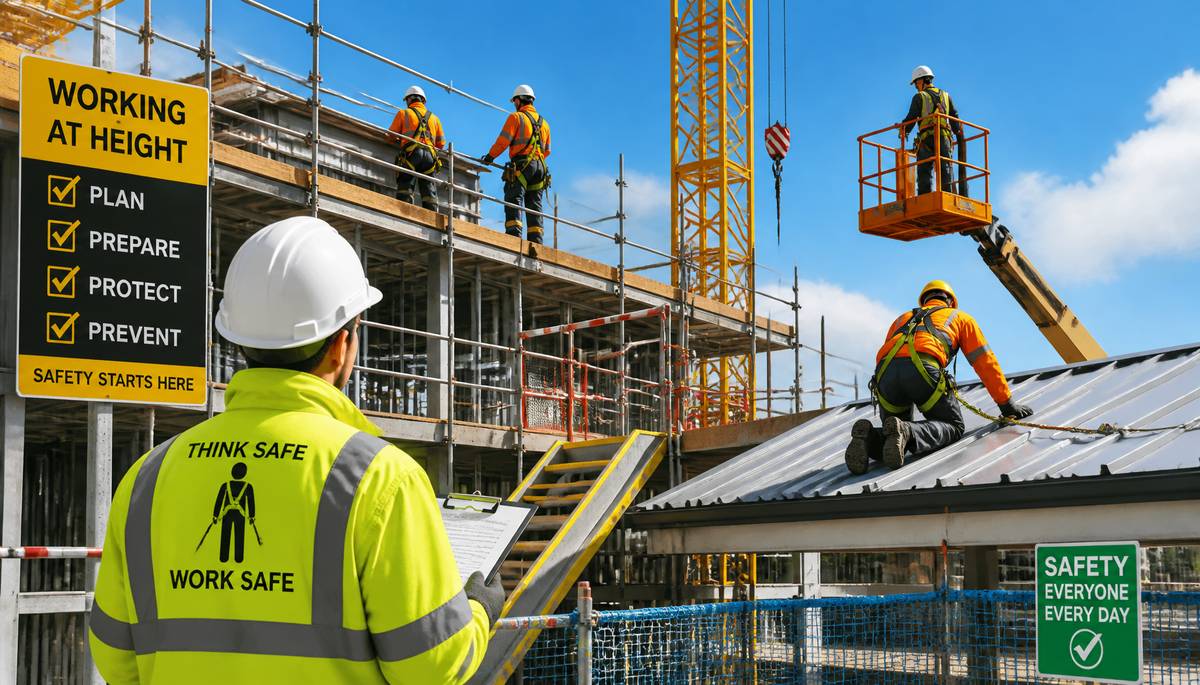 Working at height is part of everyday life on lots of building sites, but that does not mean the risks should ever feel routine. Whether someone is working on scaffolding, accessing a roof, or carrying out maintenance from an elevated platform, even a relatively short fall can result in serious injury.
The safest approach is to prevent falls from happening in the first place. That means planning the work properly, using suitable equipment and making sure everyone on site understands the precautions they need to take.
Plan The Job Before Work Begins
Good preparation can remove a surprising number of hazards before anyone leaves the ground. Before starting a task, assess where the work will take place, how high it is, how workers will access the area and what could happen if something goes wrong.
Conditions can also change throughout a project. Temporary structures may be moved, surfaces may become slippery, and other trades may begin working nearby. Risk assessments should therefore reflect the actual conditions on site rather than being treated as a one-off formality.
Use The Right Fall Protection
The equipment required will depend on the building, the task and the level of risk involved. Guardrails, scaffolding and properly designed working platforms can provide collective protection, while some situations may require workers to use personal fall protection systems.
Where workers need to move around exposed areas, suitable anchor points and lifeline systems can provide additional protection. Businesses looking at solutions for working at height should think about how the system will be used in practice, including the routes workers need to take and the type of work they will be carrying out.
Equipment should always suit the task rather than chosen just because it happens to be available on site.
Keep Access Routes Clear
Falls do not only happen from roofs or scaffolding. Trips and slips near an exposed edge can be just as dangerous, which makes good housekeeping especially important.
Keep walkways clear of tools, cables, packaging and loose materials. Access points should be easy to reach, and ladders or stairs should be kept stable and unobstructed. Wet, icy or muddy surfaces also need prompt attention before work continues.
Check Equipment Regularly
Fall protection equipment can only do its job if it remains in good condition. Scaffolding, ladders, harnesses, anchor systems and other safety equipment should be inspected at suitable intervals and checked before use where necessary.
Any damaged, worn, or questionable equipment should be taken out of service rather than used until a replacement becomes available.
Make Training Part Of Site Safety
Workers need more than equipment. They also need to know how to use it correctly and understand the risks associated with the task.
Training should cover safe access, correct equipment use, recognising hazards and what to do if conditions change.
Supervisors also play an important role in making sure agreed procedures are actually followed on site.
Ultimately, preventing falls comes down to making working at height a planned part of site safety rather than something workers simply deal with as they go. With the right preparation, equipment and training, building sites can reduce unnecessary risks while helping everyone work more confidently and safely.
|
|