Why Your Home Heating System Sounds Strange
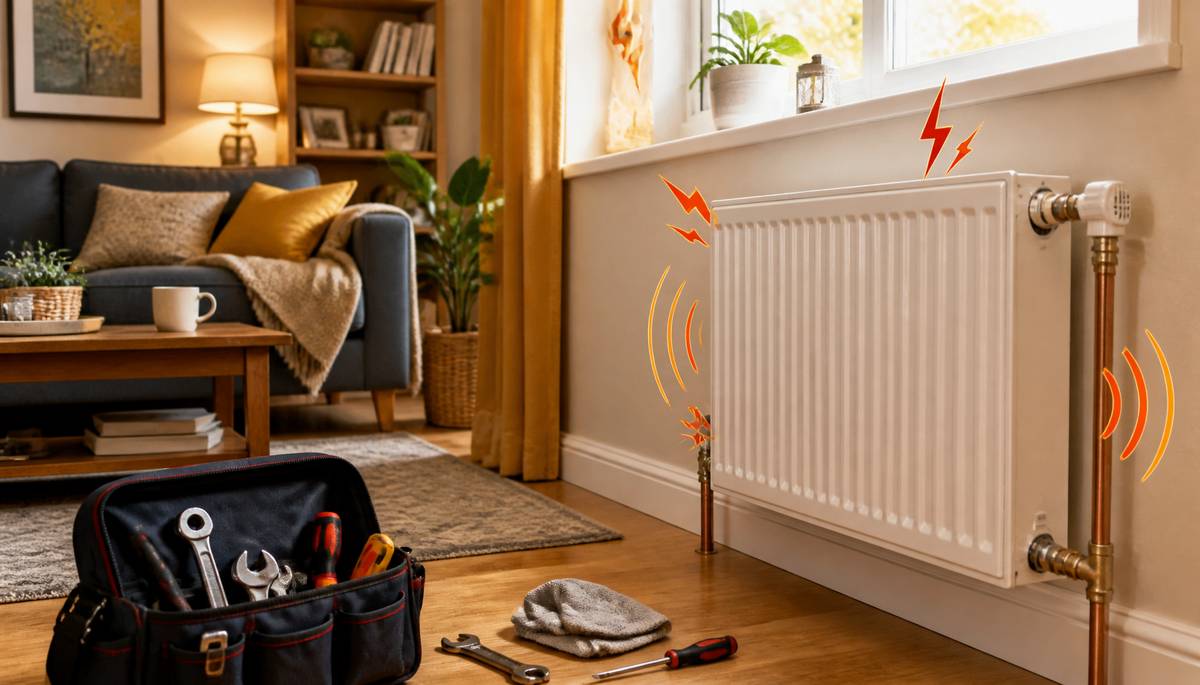 When a house has a radiator making noise, it can become an annoying house in no time. If it's a problem you're facing, you don't want to hear banging, clanking, or whistling noises coming from the bedroom or living room when it's time to turn on the heating system when the temperatures drop. Typical "noises" from your heating system are typically an indication that something is wrong and needs to be fixed. Once you know what makes these noises you'll easily be able to address the problem without hiring a professional immediately.
Your Heating System is Making a Knocking Noise – Why?
A common noise people hear is a loud metallic banging sound or clanking noise when the heating is turned on. Typically occurs as a result of thermal expansion. The hot water flows through the metal pipes and the metal expands and rubs against the wooden floor boards or close-fitting joists under your feet. The pipes attempt to move but get held up by the structure around them, causing tension to build, and then snap in place, making that noise.
Another common cause of clanking is when pipes aren't properly secured. Over time, the clips that hold pipes in place might become loose and the vibration from the rapidly flowing water leads to pipes pounding on the wall or floor. These free pipes can often be completely eliminated by using suitable brackets or rubber sleeves.
Trapped Air and Water Hammer
Your heating unit could make noises like a fast running tap or a hammer against a wall. It is sometimes called "water hammer. It's when water speed rushes through a system and suddenly changes direction or collides with an obstruction, causing a shock wave through the system. This is frequently due to the valves being closed too rapidly or to the presence of air in the system.
The trapped air is another reason for the gurgling, bubbling noises. If air is trapped in the upper sections of the system, water flow will not be efficient. The bubbles created impede the flow, causing bubbling noises and cold spots on your unit. Flushing your heating units to get rid of that trapped air is an easy and effective way of bringing peace and quiet back into your home.
How to Deal with Whistling and Hissing Sounds?
If you hear a high pitched whistle or hissing sound, it's typically a problem with water pressure or flow speed. Water is pushed through something that doesn't fit or is not fully open, which causes turbulence and whistling sounds. This is very similar to what happens when you blow air through a very narrow opening.
This is typically a lockshield valve or boiler pressure adjustment problem. If it's too fast, the water is accelerating through the system faster than it should be and will produce an unwanted noise and wear and tear to the components. One gets relief from the pressure reduction to the recommended value by the manufacturer.
Simple Steps to Keep Your Home Quiet
There is no need to suffer from a noisy heating system. Regular maintenance can help a lot in the prevention of the occurrence of strange sounds prior to their occurrence. Fluids should be changed annually before the winter, to avoid air build up in the units. Plus, boiler pressure monitoring means that water moves around easily and does not cause undue stress on the system.
If you have ever heard a noise that will not stop that comes from a radiator, whatever you do, you should contact a heating engineer. Sometimes, however, the problem may be deeper in the system, such as a broken pump or a serious sludge accumulation. But with most minor problems, a little basic troubleshooting will keep you warm, quiet and happy at home during the cold winter months.
|
|

