What Your Water Bill Might Be Trying to Tell You About Your House
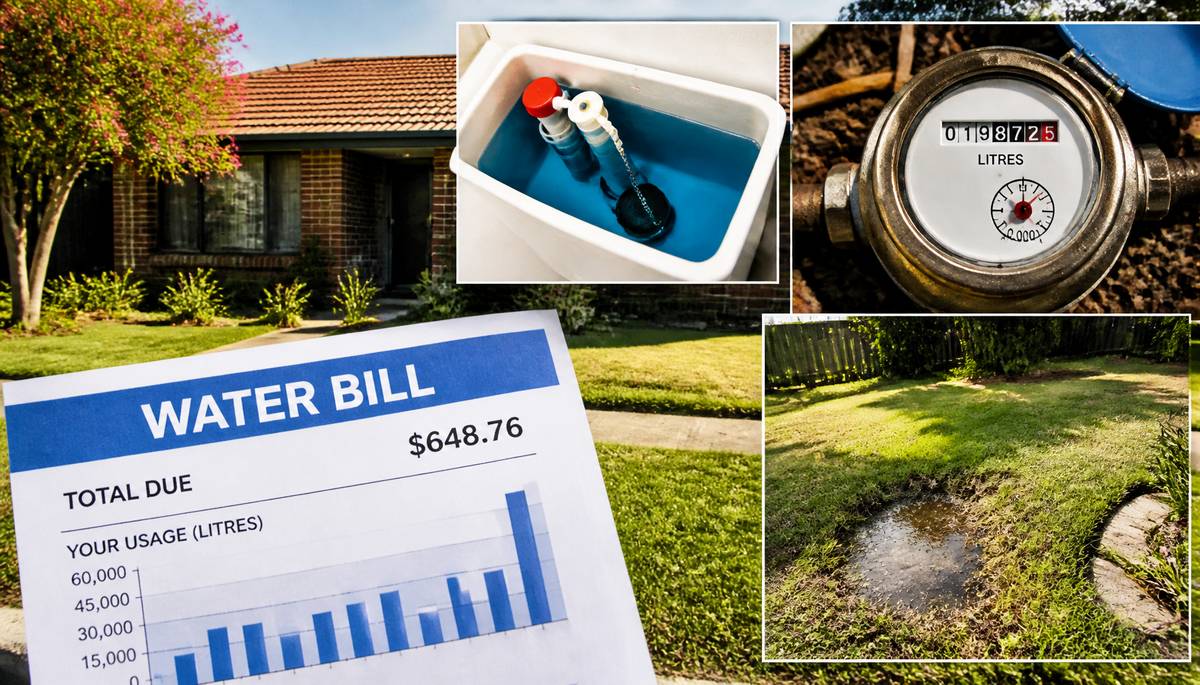 Your house could be quietly wasting hundreds of litres of water while everyone inside is behaving impeccably. Nobody is taking marathon showers, the garden hose hasn't been touched for weeks, and the dishwasher is operating with its usual enthusiasm. Yet the latest water bill suggests somebody has installed a small swimming pool without mentioning it.
Unexpected increases in water consumption are sometimes the first indication of plumbing problems that have remained hidden for months. Understanding what your bill reveals can help identify leaks, deteriorating pipes and malfunctioning fixtures before they become expensive emergencies.
When a Higher Bill Is Actually Normal
Not every increase in water consumption indicates trouble. Seasonal changes, additional household occupants and alterations to everyday routines can all affect usage.
Summer gardening, filling paddling pools and more frequent showers can substantially increase demand. Even replacing a water-efficient appliance with an older model can make a noticeable difference.
Before suspecting a plumbing disaster, compare your current consumption with the same period last year rather than simply the previous month. Check the actual volume consumed, not merely the amount charged, since changes in water tariffs can create misleading impressions.
Also examine whether your supplier has used estimated readings. An unexpectedly large bill might represent several months of previously underestimated consumption rather than a sudden increase.
However, when consumption rises significantly without an obvious explanation, further investigation is worthwhile.
The Toilet That Never Really Stops Working
A running toilet is among the most common causes of unexplained household water consumption. Unfortunately, it rarely announces itself with the dramatic enthusiasm of a burst pipe.
A worn flapper valve, incorrectly adjusted float or faulty fill mechanism can allow water to flow continuously from the cistern into the bowl. Sometimes the movement is so subtle that nobody notices.
One simple test involves adding a few drops of food colouring to the cistern and waiting approximately fifteen minutes without flushing. If coloured water appears in the toilet bowl, water is escaping through the flushing mechanism.
A continuously leaking toilet can waste hundreds of litres daily, depending on the severity of the fault. That is an impressive achievement for a fixture apparently doing absolutely nothing.
Let Your Water Meter Do Some Detective Work
Your water meter can reveal problems that would otherwise remain invisible. Better still, conducting a basic leak test requires no specialist equipment, expensive gadgets or questionable plumbing expertise.
First, turn off every water-using appliance and fixture in the house. Ensure washing machines, dishwashers, taps and irrigation systems are not operating. Check the meter reading and record it accurately.
Wait approximately thirty minutes without using any water, then check the reading again. If consumption has increased, water may be escaping somewhere in the system. Some meters also feature a small leak indicator that moves when water is flowing.
Remember that automatic water softeners, refrigerator ice makers and other appliances can occasionally consume water without anyone noticing. Eliminate these possibilities before concluding that your plumbing has developed an expensive personality disorder.
Underground Leaks and Other Invisible Problems
Underground water leaks are particularly troublesome because they can continue for months without producing obvious symptoms. Damaged supply pipes may release water directly into surrounding soil, leaving homeowners completely unaware.
Unusually damp patches in the garden, persistently green areas of grass during dry weather or unexplained puddles can indicate buried pipe damage. Reduced water pressure may provide another clue, although pressure fluctuations have several possible causes.
Inside the property, watch for discoloured walls, peeling paint, musty smells and flooring that feels unexpectedly damp. These symptoms can indicate concealed leaks behind walls or beneath floors.
Older plumbing systems deserve particular attention. Corrosion, ageing joints and repeated temperature changes can gradually weaken pipes, creating small leaks that eventually develop into substantial failures.
Where an underground leak is suspected, professional detection equipment can help locate the problem without unnecessarily excavating half the garden.
Small Clues That Deserve Serious Attention
Water damage is not merely a financial inconvenience. Persistent moisture can encourage mould growth, damage structural materials and create unhealthy indoor conditions. Leaks near electrical installations may also introduce additional hazards.
Regularly inspect accessible pipework, connections beneath sinks and areas surrounding water heaters. Look for corrosion, mineral deposits, unexplained moisture and changes in water pressure.
Keeping a monthly record of meter readings is another worthwhile habit. Over time, these figures establish a reliable picture of normal household consumption, making unusual increases considerably easier to recognise.
Don't Let Your Money Go Down the Drain
A surprisingly high water bill is worth investigating rather than simply paying and forgetting. Sometimes the explanation is entirely innocent. Occasionally, however, those extra litres represent a hidden problem steadily becoming more expensive.
A few minutes checking your meter, inspecting toilets and examining accessible plumbing can prevent considerable inconvenience. Your house might not be able to speak, but its water consumption can provide a remarkably informative running commentary.
|
|

