What UK Homeowners Should Know Before Switching to Greener Heating Systems
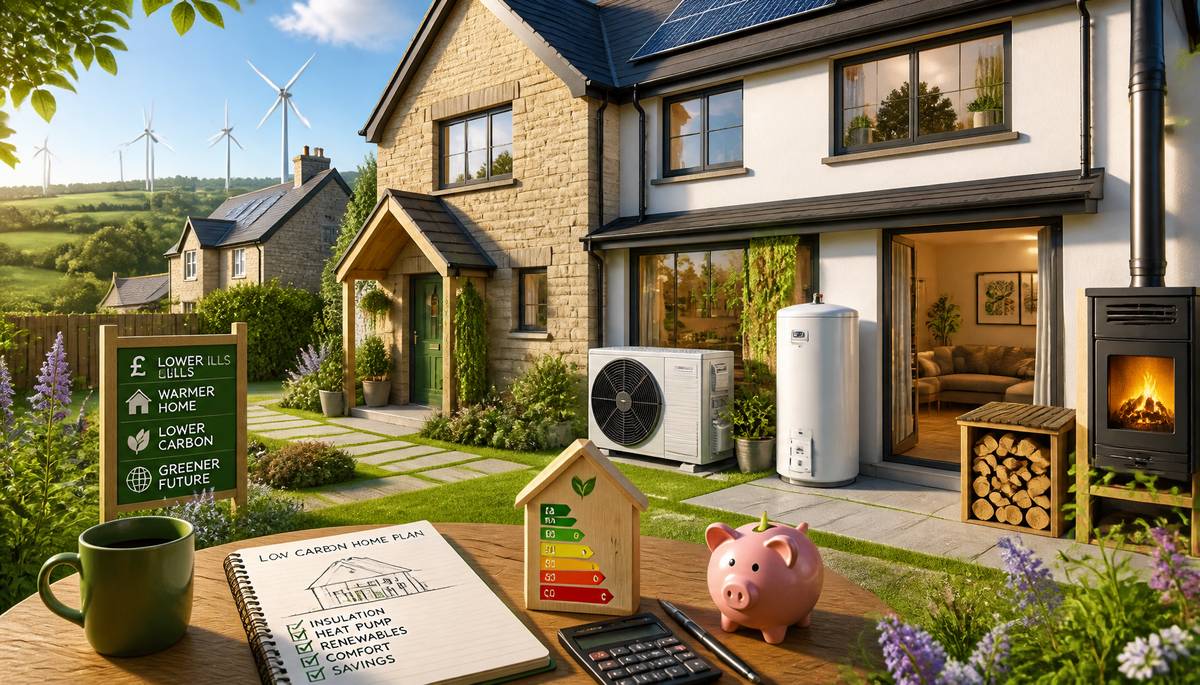 UK residents want affordable, eco-friendly home heating. Due to rising energy prices, stricter building regulations, and the nation's net-zero emissions objective, people are rethinking installing gas or oil boilers. Heat pumps, biomass fireplaces, and earth-air hybrids may fail. As they maintain their homes, homeowners consider these adjustments.
Remember that most households can't use green energy. Trusted heating, cooling, and renewable energy installers, such as GSMLimited can inspect buildings, insulation, and electrical systems for low-carbon technologies. Plan ahead, set reasonable goals, and learn how these systems differ from stoves before switching.
Knowing Your Property's Origin
First, inspect your home. Heat exchangers can be placed in homes with solid walls, single-pane windows, and poor insulation. Modern homes offer radiant heating, double- or triple-glazed windows, and superior insulation. A home inspection should check walls, windows, flooring, mezzanine, humidity, and circulation. Heat loss should be reduced before buying industrial equipment. It improves comfort and lowers heating costs.
Choose the Best Carbon-Cutting Technology
Not all homes can employ green heating. Small air-source heat pumps make UK installation easier. Vertical boreholes are cheap, whereas horizontal loops require a lot of acreage. Rural areas with ample fuel can use pellet or wood biomass boilers, which require upkeep. Homeowners should look beyond price. The cost of maintenance, how well it performs in different seasons, and whether it has heaters or underfloor heating determine its value. Consider the road, nearby homes, noise, and building standards.
Costs of Doing Business, Taxes, and Rewards
Green heating systems cost extra but may save money over time if properly constructed. Low-carbon systems prefer continuous operation and lower flow temperatures over boilers' brief, intense fire cycles. It hurts at first, but it becomes better and cheaper. Government support reduces solar panel installation costs—conduct market research before starting. Switching to low-demand hours with smart controls and time-of-use energy costs saves money. Knowing these alternatives helps families budget for big expenditures and ongoing expenses. Knowing your budget simplifies comparisons of installers, warranties, and performance. Families can then choose the lowest-cost adjustments that save the most money over time. A planned approach turns one-time purchases into long-term household energy management.
Take Charge, Feel Wonderful, and Use It Daily
When used correctly, greener heating systems function best. Weather, zoning, and programmable thermostats can help keep your home pleasant and save energy. Some low-carbon systems that heat up slowly may need heaters that start quickly. Think about how you will store and heat hot water. Many treatments can be done using insulated residential cylinders. Solar heating and photovoltaics are two ways to get green energy. Knowing how to use space heaters and hot water will help you avoid many problems once the system is up and running.
Living Greener and Warmer at Home
You must follow rules and use less energy to move to low-carbon heating. Make your home look better, last longer, and benefit the globe by fulfilling UK sustainability goals. Being prepared, knowing where they are, and assessing the benefits and disadvantages of different heating techniques can make house heating more environmentally friendly.
|
|

