The Growing Importance of Indoor Air Quality in Residential Properties
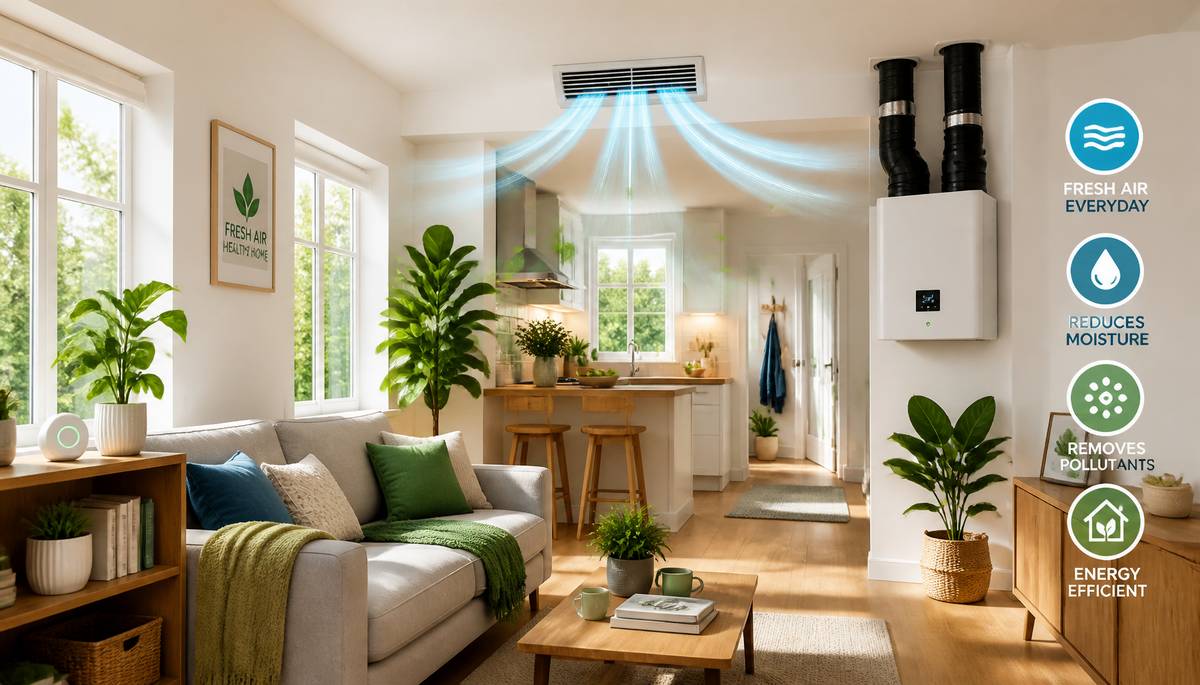 Indoor air quality has become an increasingly important consideration for homeowners as people spend more time inside their homes than ever before. While many property owners focus on aesthetics, insulation and energy efficiency, the quality of the air circulating throughout a home can have a significant impact on comfort, health and overall well-being. As awareness grows about the effects of indoor pollutants, residential ventilation solutions are becoming a key component of modern home design and renovation projects.
Why Indoor Air Quality Matters
The air inside a home can often contain more pollutants than outdoor air. Everyday activities such as cooking, cleaning, showering and even breathing contribute to the buildup of contaminants. Dust, pet dander, pollen, mould spores, volatile organic compounds (VOCs) and excess moisture can all accumulate indoors when ventilation is inadequate.
Poor indoor air quality can lead to a range of issues, including allergies, respiratory irritation, headaches, fatigue and discomfort. For individuals with asthma or other respiratory conditions, these problems can become even more severe. Maintaining healthy indoor air is therefore essential for creating a comfortable living environment and supporting long-term health.
Modern Homes and the Ventilation Challenge
Today's homes are designed to be more energy efficient than ever before. Improved insulation, airtight construction methods and high-performance windows help reduce heat loss and lower energy bills. However, these advancements can also limit the natural airflow that older homes once relied upon.
Without adequate ventilation, stale air becomes trapped inside, allowing moisture and pollutants to accumulate. This can result in condensation on windows, damp conditions and an increased risk of mould growth. As homes become more airtight, effective ventilation systems play a crucial role in maintaining healthy indoor environments while preserving energy efficiency.
The Connection Between Air Quality and Moisture Control
One of the biggest contributors to poor indoor air quality is excess moisture. Bathrooms, kitchens, utility rooms and everyday household activities generate significant amounts of humidity. If this moisture is not properly removed, it can create ideal conditions for mould and mildew to develop.
Mould growth not only damages property but can also release spores into the air that may trigger allergies and respiratory problems. Proper ventilation helps regulate humidity levels, reducing the likelihood of damp-related issues and protecting both the building and its occupants.
Energy Efficiency and Fresh Air Can Work Together
Many homeowners assume that increasing ventilation means losing valuable heat and driving up energy costs. While this may have been true with older ventilation methods, modern solutions offer a more balanced approach.
Advanced systems can continuously remove stale air while bringing fresh outdoor air into the property. This process helps maintain comfortable indoor temperatures while ensuring a consistent supply of clean air. The result is a healthier living environment without compromising energy performance.
For homeowners looking to achieve this balance, investing in quality heat recovery ventilation systems can provide an effective solution. These systems are designed to improve airflow throughout the property while recovering heat that would otherwise be lost, helping households maintain both comfort and efficiency.
Benefits for Homeowners and Families
Improving indoor air quality offers several practical advantages beyond health benefits. Better ventilation can help eliminate unpleasant odours, reduce condensation, protect furnishings from moisture damage and create a fresher overall living environment.
Families with young children, elderly relatives or individuals with allergies often notice the greatest improvements. Cleaner air can contribute to better sleep quality, increased comfort and a more enjoyable home atmosphere throughout the year.
In addition, properties with modern ventilation systems are increasingly attractive to buyers who value energy efficiency and healthy living spaces. As awareness of indoor environmental quality continues to grow, effective ventilation may become an even more important feature in residential property markets.
Looking Ahead
The importance of indoor air quality is likely to continue growing as homeowners become more conscious of health, sustainability and energy performance. Modern residential properties must strike a balance between airtight construction and adequate ventilation to create safe and comfortable living environments.
By addressing air quality concerns through effective ventilation and moisture control, homeowners can protect their properties, improve everyday comfort and support the health of everyone living inside. As building standards evolve and awareness increases, indoor air quality will remain a fundamental aspect of successful residential property design and maintenance.
|
|

