Sustainable Waste Management Tips for Home Renovations
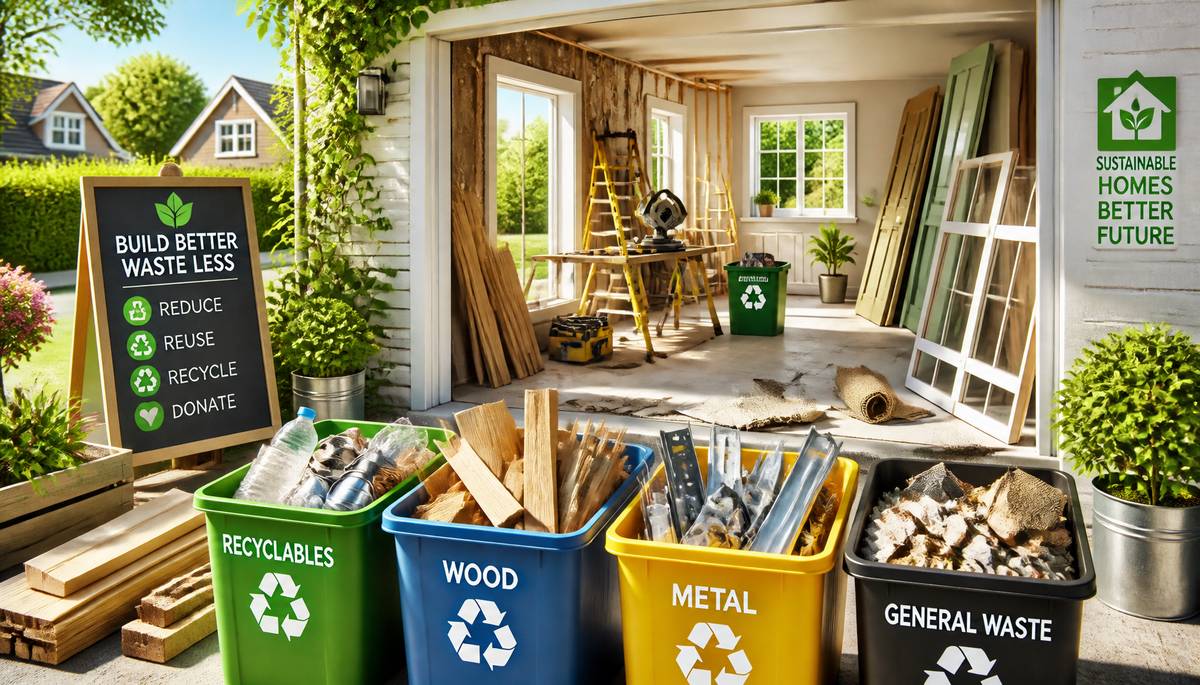 Managing waste sustainably during home renovations is essential for reducing environmental impact. As eco-friendly practices become increasingly crucial, homeowners are seeking ways to minimize waste and recycle effectively. This article explores practical strategies to incorporate sustainable waste management into renovation projects.
Home renovations can be exciting, but they often generate significant waste. With growing awareness of environmental issues, sustainable waste management has become a priority for many homeowners. In the context of renovations, finding eco-friendly ways to handle waste not only helps the planet but also aligns with modern home improvement trends. By understanding and applying effective waste management techniques, you can significantly reduce your renovation's ecological footprint. For those looking for professional assistance, TW Services offers expert waste management solutions tailored to your needs.
Understanding types of waste in renovations
During renovations, a variety of waste is generated, including construction debris, old fixtures, and leftover materials. These items often end up in landfills if not properly managed. The environmental impact of improper disposal is significant, contributing to pollution and resource depletion. It's essential to understand the types of waste your project will produce so you can plan accordingly.
Improper disposal practices can lead to soil and water contamination, harming local ecosystems. By identifying recyclable materials early on, you can prevent unnecessary landfill contributions. Sorting and separating materials like metal, wood, and plastics can make recycling easier and more effective. Understanding these impacts encourages more responsible disposal methods during renovations.
Strategies for sustainable waste management in renovations
To reduce waste during your renovation, consider implementing recycling and reuse strategies. Start by assessing which materials can be salvaged or repurposed rather than discarded. Planning ahead is crucial; setting up a sorting system on-site helps ensure that recyclable items are separated from general waste. This proactive approach minimises landfill use and conserves resources.
Another effective strategy is to donate usable materials to local charities or community projects. Not only does this help reduce waste, but it also supports local initiatives. By choosing sustainable materials and suppliers who prioritise eco-friendly practices, you further align your renovation with environmental goals. Proper planning and execution can transform your renovation into a model of sustainability.
Benefits of adopting eco-friendly practices
Embracing sustainable waste management offers numerous environmental benefits. Reducing landfill contributions mitigates pollution and conserves natural resources. Additionally, using recycled materials can lower energy consumption during production processes, further decreasing the ecological impact of your project.
Aside from environmental advantages, there are also potential cost savings involved. Efficient waste management can reduce disposal costs and potentially decrease material expenses through the reuse of salvaged items. These practices not only enhance the efficiency of your renovation project but also contribute positively to the community by promoting sustainable living standards.
Integrating sustainability into your renovation plans
As you plan your next renovation project, consider making sustainable waste management an integral part of the process. Implementing the discussed strategies ensures that you not only contribute positively to the environment but also enjoy potential cost benefits and efficiency improvements. With growing awareness around environmental issues, aligning your renovation with these principles reflects a commitment to responsible living.
Your efforts in integrating eco-friendly practices can inspire others to follow suit, fostering a broader culture of sustainability within home improvements. By adopting these practices, you can make a significant impact on reducing environmental harm while enhancing the quality and sustainability of your home.
|
|

