How Hardscaping Affects Home Value and Curb Appeal
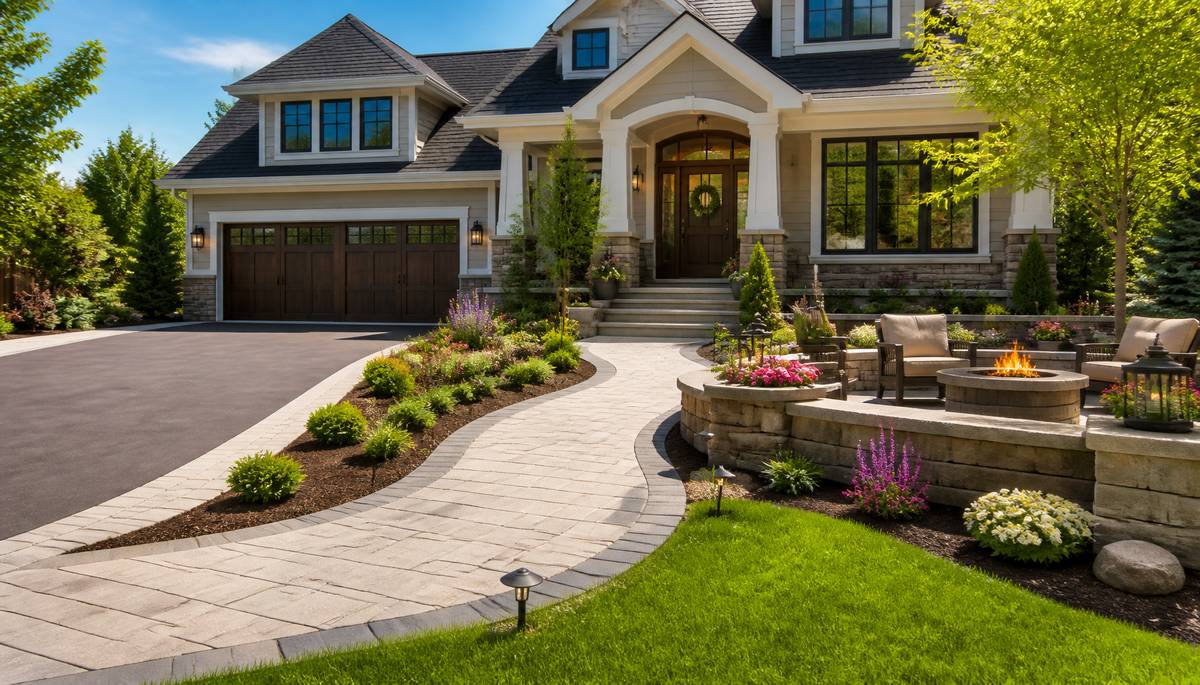 Curb appeal often gets discussed in terms of paint colors, landscaping, and a well-kept lawn, but the hard surfaces around a home, driveways, walkways, patios, and retaining walls, play a bigger role in a property's overall impression and value than many homeowners realize. Hardscaping isn't just functional. It's often one of the first things a visitor or potential buyer actually notices.
Well-designed hardscape features can transform how a property is perceived from the street, creating a polished, intentional look that ties the whole exterior together. A home with a cracked, uneven driveway or a crumbling walkway sends a very different message than one with clean, well-maintained hard surfaces, even if the landscaping itself is otherwise similar. This first impression matters enormously, both for everyday enjoyment of the property and for how it's perceived by anyone evaluating it from the outside.
Hardscaping frames and elevates landscaping
Softscape elements like lawns, garden beds, and trees benefit from having a defined structure around them, and hardscaping provides exactly that. A well-placed walkway, border, or patio gives landscaping a sense of intentional design rather than an unstructured collection of plants, which tends to read as more polished and higher-end to anyone viewing the property.
First impressions start at the driveway
For most visitors, the driveway is the very first hardscape element they encounter, and its condition sets an immediate tone. A smooth, well-maintained driveway suggests a well cared for home overall, while cracking, staining, or an outdated surface can create doubt before a visitor even reaches the front door. Since driveways are also one of the largest hard surfaces on most properties, their condition has an outsized impact on the property's overall visual impression.
Functional upgrades that also boost appeal
Hardscape features often solve practical problems while simultaneously improving how a property looks. Retaining walls manage sloped yards and prevent erosion while adding visual structure. Well-designed drainage solutions, often built into patios and walkways, keep water from pooling in unattractive or damaging ways. These upgrades tend to be appreciated by potential buyers specifically because they address real maintenance concerns, not just aesthetic ones.
Outdoor living spaces add usable square footage
Patios, outdoor kitchens, and fire pit areas effectively extend a home's livable space outdoors, which is a feature today's buyers increasingly look for. A well-built patio isn't just a nice-to-have anymore, it's often viewed as genuine additional living area, particularly in climates where outdoor entertaining is a big part of the year. This kind of functional expansion tends to translate into real appraisal value, not just subjective appeal.
Consistency and cohesion matter as much as individual features
A home with a beautiful patio but a cracked driveway and mismatched walkway pathways doesn't read as cohesively upgraded, even if one feature on its own looks great. Buyers and visitors tend to notice consistency across a property's hardscaping, and a unified material palette and design approach across driveways, walkways, and patios creates a stronger overall impression than a series of disconnected upgrades.
Return on investment for hardscape projects
While exact returns vary by market and project scope, hardscaping consistently ranks among the higher-return home improvement categories, particularly for features like patios and outdoor living spaces. Unlike some interior renovations that can become outdated with changing design trends, quality hardscaping built with durable materials tends to hold its value and appeal over a longer period.
Low-maintenance appeal is a selling point of its own
Buyers increasingly value outdoor spaces that look great without requiring extensive upkeep, and hardscaping directly supports that goal by reducing the amount of lawn and garden area that needs regular maintenance. A yard with a thoughtful mix of hardscape and greenery often appeals more broadly than one that's either entirely lawn or heavily planted, since it signals both visual appeal and manageable upkeep.
Making hardscaping part of a long-term value strategy
Homeowners planning improvements with resale in mind, or simply wanting to get more enjoyment and value out of their own property, benefit from treating hardscaping as a genuine investment rather than a purely cosmetic afterthought. Thoughtfully designed and properly installed hardscape features tend to pay dividends both in daily enjoyment of the space and in how the property is ultimately valued down the road.
|
|

