How Decorative Gravel Can Transform Outdoor Spaces
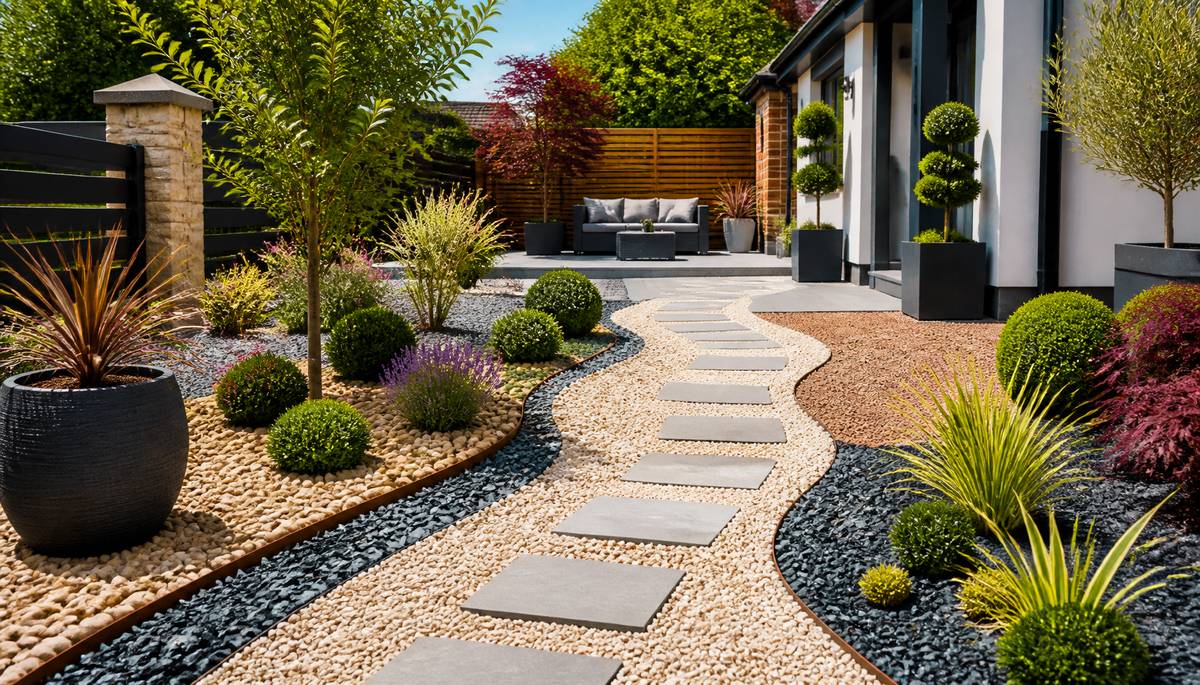 Decorative gravel is one of the most versatile and cost-effective landscaping materials in modern garden design. Once associated solely with drives, gravel is now widely used across patios, borders, courtyards, and contemporary planting schemes to create outdoor spaces that are not only low maintenance but also visually appealing.
Its popularity has grown significantly in recent years as homeowners look for practical landscaping solutions that are stylish and modern looking whilst also providing superior drainage and durability. Whether used in traditional cottage gardens or minimalist urban courtyards, decorative gravel as found on mainlandaggregates.co.uk offers flexibility that few other materials can match.
The Royal Horticultural Society notes that gravel is widely used in garden design because it provides texture, improves drainage, and creates visually cohesive landscaping layouts.
From enhancing kerb appeal to improving drainage, decorative gravel delivers a wide range of benefits for homeowners and landscapers alike.
Creating Instant Visual Impact
One of the biggest advantages of decorative gravel is its ability to instantly change the appearance of an outdoor space, as adding gravel instantly adds new texture, colour, and contrast into outdoor spaces, this can be used for everything from defining borders, apportioning a garden into different zones or just creating some contrasting colour.
The variety of options with decorative gravels is also a huge bonus. Gravels come in ranges from pale whites to warm cream tones, deep reds to deep, dark greys. This degree of choice means that any outdoor space will have an appropriate decorative gravel to accompany it but also that multiple types of gravel can be used in conjunction with one another to further create visual contrast.
Homes & Gardens explains that gravel and stone landscaping can add depth, texture, and architectural structure to gardens while complementing planting and hard landscaping features.
Improving Drainage and Reducing Waterlogging
Practicality is another major reason decorative gravel has become so widely used in UK landscaping projects. Unlike solid paving or concrete, gravel is permeable, allowing rainwater to drain naturally into the ground below. Gravel can form part of a SuDS (Sustainable Drainage System) too, and in modern builds it is a common sight around drains and drainpipes, as it acts as a medium by limiting the flow of water and reducing overflow.
According to the Environment Agency’s guidance on SuDS, permeable surfaces can help manage surface water more effectively while reducing pressure on drainage infrastructure.
This benefit can be felt at any scale, be it a home or a massive office complex, the only thing that changes is the amount of gravel and the way in which it is deployed.
A Low-Maintenance Landscaping Solution
Many homeowners are increasingly choosing gravel because it offers a lower-maintenance alternative to lawns and extensive paving. When installed correctly, with a stable sub-base and permeable membrane, decorative gravel suppresses weeds, reduces mud and requires minimal ongoing upkeep. This is great for everything from designated seating areas to paths.
The key is selecting the correct gravel size, using quality weed membranes where appropriate, and maintaining occasional surface cleaning.
Defining Spaces Within the Garden
Decorative gravel is also highly effective for zoning outdoor areas. Different gravel colours or textures can separate dining areas, pathways, seating zones, and planting beds without the need for walls or heavy hard landscaping.
This makes gravel especially useful in smaller gardens where flexibility and visual openness are important.
Landscape designers frequently combine gravel with stepping stones, corten steel edging, timber sleepers, and raised planters to create layered and contemporary garden layouts. Gardening Know How notes that combining gravel with well-defined edging materials creates a polished and professional appearance even on smaller budgets.
Because gravel can be reshaped relatively easily, it also allows homeowners to refresh layouts over time without major construction work.
Enhancing Curb Appeal
Decorative gravel can dramatically improve the front of a property. Gravel drives, pathways, and border features often create a cleaner and more finished appearance compared with bare soil or ageing paving.
Front garden landscaping plays a major role in first impressions, and well-designed gravel features can make properties appear more organised and visually appealing.
Property experts at Ideal Home suggest that attractive front garden landscaping can contribute positively to overall kerb appeal and improve how welcoming a home appears from the street.
Even relatively small additions — such as gravel borders around planting beds or refreshed pathways — can significantly modernise an outdoor space.
Choosing the Right Gravel
Not all decorative gravel performs the same way. Gravel size, shape, and material all influence appearance and practicality.
Angular gravel tends to lock together more effectively, making it suitable for pathways and drives. Rounded pebbles offer a softer decorative appearance but may shift more easily underfoot.
Saga Magazine explains that selecting the right gravel type depends on both the intended use and the wider garden style.
Larger aggregates generally stay in place better, while smaller stones create a smoother finish for pathways and seating areas.
Final Thoughts
Decorative gravel remains one of the most adaptable materials in modern landscaping. It combines aesthetic versatility with practical benefits including drainage, affordability, and low maintenance.
Whether used to modernise a drive, frame planting beds, create pathways, or define outdoor living areas, gravel has the ability to completely transform how a garden looks and functions.
When carefully selected and properly installed, decorative gravel can create outdoor spaces that feel cleaner, more structured, and visually cohesive — all while remaining highly practical for everyday use.
|
|

