7 Changes That Can Completely Rethink the Relationship Between Your Home and Garden
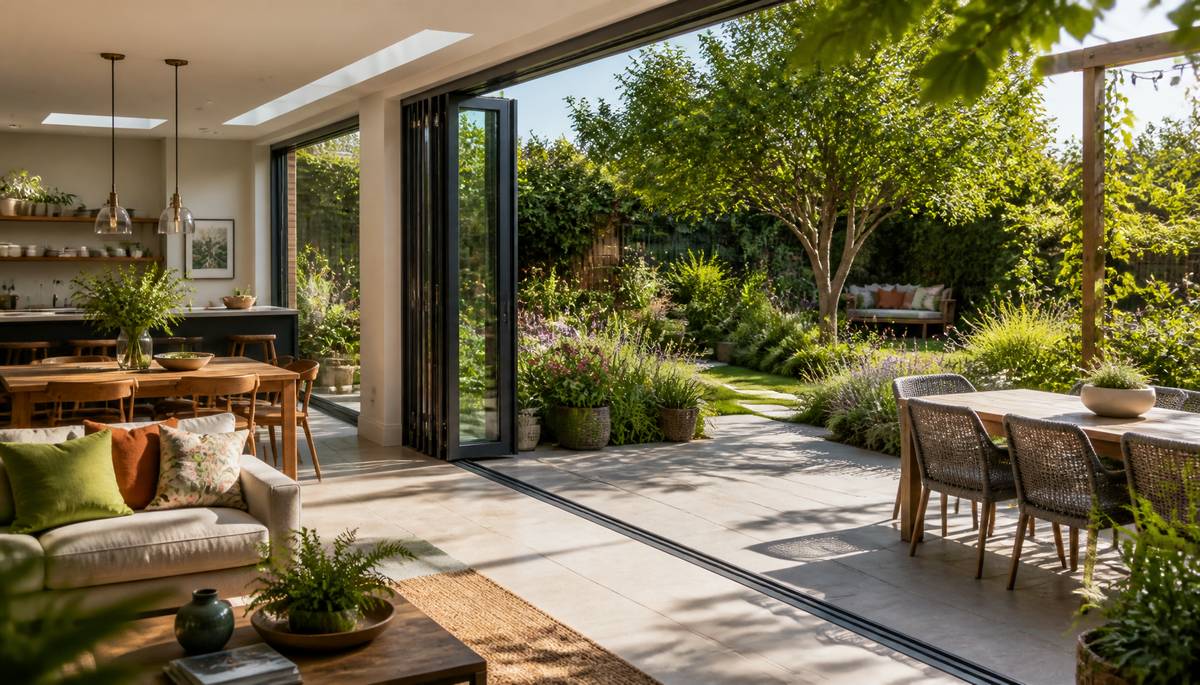 A garden can be much more than somewhere to sit when the sun appears. With thoughtful design, it can become part of how you experience your home every day, providing changing views, additional living space, and a natural backdrop to family life.
The key is to stop treating the house and garden as two separate projects. Here are seven changes that can bring them closer together.
A garden can be much more than somewhere to sit when the sun appears. With thoughtful design, it can become part of how you experience your home every day, providing changing views, additional living space, and a natural backdrop to family life.
The key is to stop treating the house and garden as two separate projects. Here are seven changes that can bring them closer together.
1. Replace a Solid Wall With a View
Increasing the amount of glazing at the back of a property can completely change how connected a room feels to the outdoors.
Large glazed doors allow planting, trees and changing seasons to become part of the interior view. Slide & Fold offers door systems that can help create larger openings between living spaces and gardens.
This can be particularly effective in kitchens and dining rooms, where the garden becomes a natural backdrop to everyday life.
2. Continue the Floor Outside
Creating visual continuity across the threshold can make indoor and outdoor areas feel more closely connected.
The materials do not have to be identical. An indoor stone-effect floor, for example, could meet paving in a similar shade outside. Keeping tones and textures complementary encourages the eye to travel beyond the doors rather than stopping at them.
3. Give the Garden a Destination
Instead of placing everything directly outside the back door, create a reason to venture further into the garden.
A bench beneath a tree, dining area, pergola, or secluded seating space can provide a destination. Paths surrounded by planting can make the journey there part of the experience, helping even a modest garden feel more interesting.
4. Design the Inside Around the Outside
Interior layouts are usually planned around walls, fireplaces and furniture, but the garden can influence them too.
Position a dining table beside the glazing or angle an armchair towards a favourite tree. A kitchen island might even be positioned so that whoever is cooking can look outside.
Small decisions like these make the garden part of everyday indoor life.
5. Create a Genuine Outdoor Room
A patio becomes much more inviting when it is treated as another room rather than simply an area of paving.
Use planting, raised beds or screens to create boundaries, then introduce comfortable furniture, lighting and accessories. Repeating colours or materials used inside the house can make the transition feel even more intentional.
6. Bring Planting Closer to the House
Don't reserve all your most interesting planting for the far end of the garden.
Grasses, evergreen plants, and seasonal flowers positioned near windows and doors can provide attractive views from indoors. Houseplants placed near the same windows can strengthen the effect, visually carrying greenery from outside into the room.
7. Design for Every Season
A successful indoor-outdoor connection should work beyond summer.
Evergreen planting, architectural grasses, interesting bark, and carefully positioned lighting can keep the garden visually engaging during autumn and winter.
Rather than designing solely for the days when the doors are open, think about what you will see through them throughout the year.
Make the Garden Part of the Home
Connecting indoor and outdoor spaces is ultimately about making the boundary between them feel less dominant.
Larger views, complementary materials, thoughtful planting and well-positioned furniture can all change how the garden is experienced. Put several of these ideas together and the outdoors no longer feels like somewhere that begins at the back door. It becomes a natural extension of everyday life.
|
|

