5 Creative Ways to Use Rope in Your Garden
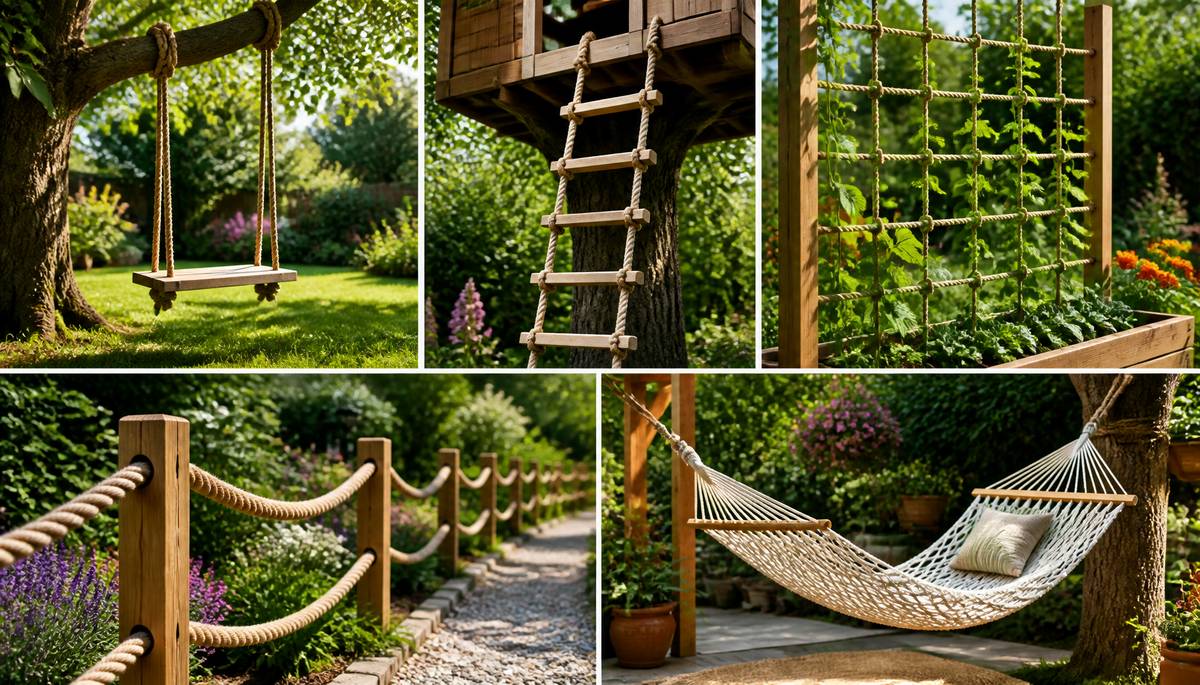 Rope can be an extremely useful and versatile element within an outdoor space, whether you are transforming an old tree into a play area or installing a support system for a climbing vine. Below are five clever ways to incorporate rope into your garden that combine functionality with a touch of elegance.
Perhaps you have looked out at your garden and realised there is something lacking. Do not worry, as there may be an easy solution right in front of you. Rope is often an unsung hero among everyday materials, rarely given much consideration, yet it has a remarkable ability to transform outdoor spaces.
With both natural and man-made rope now widely available, gardeners have more choice than ever. Natural materials such as jute and hemp add warmth and character, while synthetic rope offers superior durability and weather resistance. Combining the two thoughtfully can result in a creative, polished, and surprisingly modern look.
Thanks to specialist retailers such as Garden Ropes, sourcing the correct rope thickness and material has never been easier. As a UK online store offering decking ropes, garden swing ropes, and a wide range of colourful options and fittings, they help make DIY rope projects far more approachable.
Below are five creative ways to incorporate rope into your garden, blending playful accessories with practical weekend projects.
1. Create a classic rope swing
There is something timeless about a rope swing hanging from a sturdy tree branch. It adds charm, movement, and a sense of nostalgia while serving as both a decorative and functional garden feature.
Installation is straightforward. You will need:
- A strong overhead support, such as a mature tree branch
- A wooden or rubber swing seat
- A durable length of rope
Natural rope enhances a rustic aesthetic and blends beautifully with foliage, while synthetic rope is better suited for long-term exposure to British weather.
What makes a rope swing so appealing is its balance of elegance and playfulness. It brings life to a garden in a way few features can, offering instant visual and emotional reward.
2. Add height and adventure with a rope ladder
Rope ladders add vertical interest and character, making them ideal for treehouses, garden dens, play areas, blank walls, or even large trees.
Natural rope provides an earthy, organic appearance that complements outdoor surroundings, while synthetic rope may be preferable where durability and weather resistance are priorities.
Rope ladders can be used in multiple ways:
- Reaching different levels in a large garden
- Creating access to tree platforms or dens
- Hanging plants, lanterns, or decorations
With wooden rungs and carefully tied knots, a rope ladder becomes both functional and visually adventurous.
3. Develop attractive planting supports
One of rope’s most practical garden uses is plant support. It offers an attractive alternative for training climbing plants such as tomatoes, roses, sweet peas, and vines.
Rope trellises are ideal for vertical gardening. By stringing rope between wooden stakes or posts, you can create an inexpensive, flexible, and clean-looking structure. Natural rope blends seamlessly into foliage, while synthetic rope is better for year-round use.
Rope can also be used for:
- Training small fruit trees
- Supporting grapevines
- Creating horizontal guide lines for orderly growth
These small details give a garden a more intentional and well-planned appearance.
4. Create a rope fence or border
Rope fencing is an excellent way to define boundaries without blocking light or views. It works well as a border for pathways, patios, decking, and flower beds.
Thick decking rope or natural fibre rope creates a relaxed, coastal feel. Threaded between wooden posts, it forms an attractive and understated boundary while guiding foot traffic away from sensitive areas.
Rope borders are also highly adaptable. If your garden layout changes, adjustments are as simple as retying a few knots, offering flexibility that traditional fencing cannot match.
5. Relax in a rope hammock
A rope hammock leans toward the more leisurely side of garden design while still offering practical comfort. Lightweight and airy, it is perfect for summer afternoons spent reading or relaxing in the shade.
Because hammocks rely on tension and knots, strong rope is essential. Synthetic rope is generally preferred due to its resistance to stretching, though natural rope can be used for a specific aesthetic.
Rope hammocks can be:
- Suspended between two trees
- Mounted on a freestanding frame
- Hung from pergola posts
They take up minimal space and function as both seating and ornamentation, creating a peaceful retreat without cluttering the garden.
The bigger picture
Rope may appear unassuming, but with a little imagination it can become one of the most versatile tools in your garden. From rope swings to plant supports, it offers endless creative possibilities.
Choosing between natural and synthetic rope allows you to tailor each project to your aesthetic and durability needs. Garden projects do not need to be complex to be effective. Simple rope additions can dramatically alter the atmosphere of an outdoor space with minimal effort.
By embracing simplicity and thoughtful design, rope can help transform your garden into a more functional, welcoming, and visually engaging environment.
|
|

