How Block Paving Can Transform Your Driveway
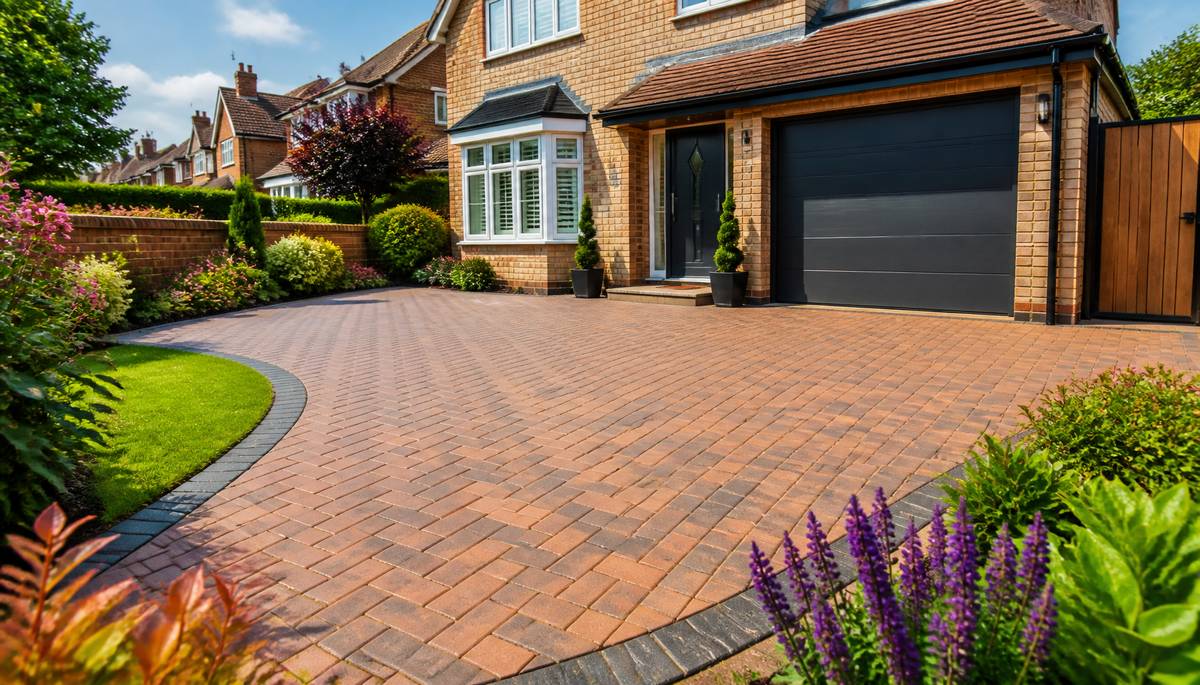 The driveway is one of the first things anyone notices about a home. A crumbling tarmac surface or a patch of loose gravel does not exactly shout "well looked after." Block paving, on the other hand, can completely change how a property looks from the street, and the benefits go well beyond appearances.
What Is Block Paving?
Block paving is a way of surfacing driveways, paths and patios using individual units made from concrete, clay or natural stone. Each block is laid in a pattern on a prepared base, then locked in place with sharp sand. The result is a firm, even surface that holds its shape under the weight of vehicles and heavy foot traffic.
The blocks themselves come in a wide range of colours, sizes and textures. That gives homeowners a lot of freedom to choose something that suits the style of their property, whether it is a modern new build or an older period home.
Why People Choose It Over Other Surfaces
Tarmac and concrete are cheaper to lay in the short term, but they tend to show their age quickly. Cracks appear, patches spread and the surface starts to look tired within a few years. Block paving is more resilient. Because it is made up of individual units rather than one solid slab, it can move slightly with the ground beneath it without cracking. If a section does get damaged, individual blocks can be lifted and replaced without having to resurface the whole area.
Gravel is another popular option, but it comes with its own problems:
- It shifts underfoot
- It gets kicked onto lawns and roads
- It can be difficult to keep tidy
Block paving stays where it is put.
Drainage is also worth thinking about. Permeable block paving, which has small gaps between the blocks, allows rainwater to pass through into the ground below. This reduces the amount of surface water running off a driveway and onto the pavement or road, which can matter quite a lot during heavy rain. Planning guidance from the Planning Portal notes that certain driveway surfaces in England require planning permission if they do not drain properly, so it is always worth checking before work starts.
The Difference a Good Base Makes
One of the most common reasons block paving fails is a poorly prepared base. The paving itself might look fine, but if the layers underneath have not been built up properly, the surface will sink or shift over time. A solid installation involves excavating to the right depth, laying a sub-base of compacted hardcore, adding a layer of sharp sand, then placing the blocks in the chosen pattern before finishing with kiln-dried sand in the joints.
This is work that benefits from experience. Getting block paving driveways installed by a trained team means the groundwork is done correctly from the start, which saves money on repairs later.
Does It Add Value to a Home?
A well-laid driveway in good condition is generally seen as a positive by buyers and estate agents. Off-street parking is a selling point in most parts of the UK, and a smart-looking surface makes the whole front of a property look more cared for. It is hard to put an exact number on the value it adds, since that depends on the property, the area and the quality of the work, but the kerb appeal argument is a strong one.
Keeping It in Good Condition
Block paving is fairly low maintenance, but it does need some attention to stay looking its best.
- Weeds can push up through the joints if they are not kept clear
- Pressure washing once a year removes moss and grime
- Re-sanding the joints every few years keeps the surface locked tight
These are jobs that most homeowners can do themselves, which is another reason why block paving driveways are popular for the long term.
Is It Right for Every Home?
Block paving suits most properties, but it is not always the cheapest option upfront. For a standard-sized driveway, the cost will depend on the size of the area, the type of block chosen and the amount of groundwork needed.
Getting a proper quote before committing is important, and it is worth comparing the long-term cost against cheaper alternatives that may need replacing sooner.
For homeowners who want a surface that looks good, lasts well and can be repaired without replacing everything, block paving remains one of the most practical choices available.
|
|

