Moving in London: 4 Simple Steps to Prepare Your Home and Garden Before the Big Day
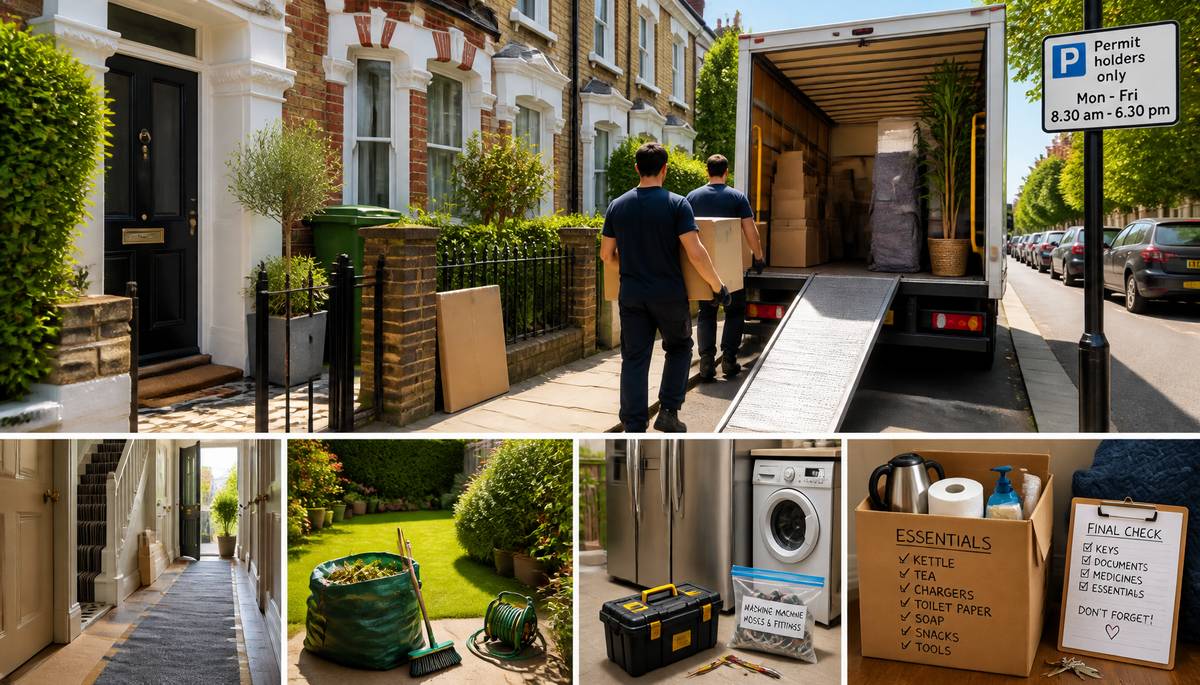 Moving in London isn’t just about hiring a van. It starts with a home that actually works with you. Moving day can be particularly complicated if you’re dealing with tight terraces and narrow stairwells. And even more so if you’re in streets where parking is a struggle (or downright impossible, even if councils are being encouraged to use a universal parking app to reduce fines). Your home’s doors need to open and close freely. Paths should be clear. And the garden can’t turn into a slip hazard the moment the crew arrives.
Most people focus on boxes. But that’s only half the job. The real key is getting the home ready so the day runs smoothly from doorstep to lorry.
1. Clear the Routes, Inside and Out
Start with movement – because if you’re in London, chances are that space will be limited. Walk every carrying route from each room to the front door, then out to where the van will realistically park (often a few doors down, not outside your house).
Remove anything that slows people down: loose rugs, hallway clutter, shoe racks, and anything that suddenly becomes “in the way” when someone’s carrying a fridge down a Victorian staircase. Tape down mats. Prop doors open.
Outside, think like a crew working in a tight street: sweep paths, cut back overgrown plants near gates, and check for uneven paving that could catch someone carrying a heavy load. This is where London movers can quickly assess how smooth (or painful) the day will be. A clear route saves time, and in London, time is often tied to parking restrictions, permits, and traffic windows. Add basic floor protection at entrances for cheap insurance against muddy boots and wet weather.
2. Tidy the Garden
London gardens, especially in terraced and semi-detached homes, can either help or hinder a move. Keep it simple and practical.
Mow the lawn if you have one, cut back anything encroaching on paths, and clear brambles or low branches around gates. Bag green waste rather than leaving it in awkward piles that might collapse when someone steps near them.
Drain and coil hoses. Move planters that could crack or topple. If you’ve got fragile ornaments, bird baths, or sentimental bits, relocate them well away from any walking route. Mud is the real enemy here, especially after a winter downpour, so keep a brush or bin bag by the door and lay down cardboard or coverings if the ground gets soft.
3. Sort the Utilities and the Awkward Stuff
Before any move, appliances need to be properly shut down, not rushed.
Defrost freezers early enough that they’re completely dry by moving day. Clean out fridges and leave the door slightly open so you don’t come back to a smell you’ll regret instantly. Disconnect and drain washing machines, and secure hoses so nothing leaks mid-lift.
Take meter readings and photograph them clearly. Label shut-off points for gas, water, and electrics if needed.
Keep screws, brackets, and fittings in clearly labelled bags taped directly to the item they belong to. Curtains, shelves, and wall-mounted TVs should be fully removed or left alone – half-finished removals are where damage happens. Keep a torch handy in case the cupboards and hallways are often darker than you expect once everything is unplugged.
4. Finish with a Ruthless Final Check
The final 24 hours are where mistakes happen, especially when working around parking time slots and building access rules.
Pack an essentials box: kettle, tea, chargers, toilet paper, soap, snacks, and basic tools. Keep it separate so it doesn’t disappear into the van.
Walk through every room methodically: loft, cupboards, under stairs, garden shed, any awkward storage corners no one likes dealing with. Leave a note or checklist on the inside of the front door: keys, documents, medicines, and anything you must not forget.
Protect furniture, particularly in high-traffic areas like Hillingdon and Havering, using sheets or proper coverings. If parking is tight, consider reserving space or applying for suspension in advance – something many London streets require.
Keep doorstops, bin bags, and essentials in your car, not buried in the van load.
Last word
A house move in London is, unfortunately, about working with the reality of tight streets, shared access, and limited time windows. Gravity doesn’t consider your big day or your schedule, and neither do narrow gates or parked cars.
But you can reduce friction. Clear paths, a tidy garden, and organised utilities can turn a stressful day into a more controlled one. It also helps psychologically: walking through a calm, prepared home makes the move feel a step closer to complete.
|
|

