A Guide To Bringing More Light Into Your Home
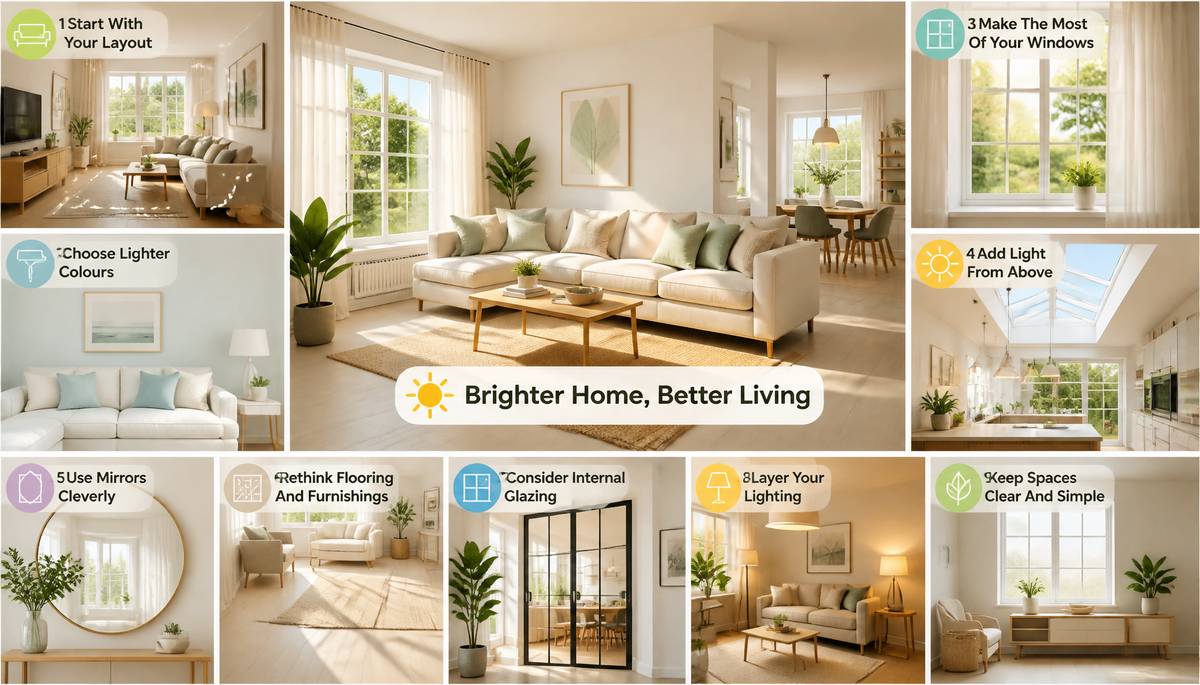 A brighter home can feel bigger, fresher, and more welcoming. Natural light has a huge impact on how a room looks and feels, from making colours appear warmer to helping spaces feel more open and comfortable. Whether your home is naturally dark or you simply want to make better use of the daylight you already have, there are plenty of practical ways to bring in more light.
Start With Your Layout
Before making any major changes, look at how light currently moves through your home. Are large pieces of furniture blocking windows? Do certain rooms feel darker because they are overcrowded? Are heavy curtains stopping daylight from spreading through the space?
Sometimes, small layout changes can make a big difference. Moving tall furniture away from windows, keeping windowsills clear, and choosing lower-profile pieces can help light travel further into the room. In smaller homes, this can instantly make the space feel less cramped.
Choose Lighter Colours
Wall colour plays a major role in how bright a room feels. Dark shades can look stylish, but they absorb more light, which can make already dim spaces feel even darker. Lighter colours reflect light, helping rooms feel more open and airy.
Soft whites, warm creams, pale greys, gentle beiges, and muted pastels can all work well. If you do not want a fully neutral room, you can still add colour through accessories, artwork, cushions, or rugs. Painting the ceiling in a clean, bright shade can also help lift the room, especially where ceilings are low.
Make The Most Of Your Windows
Windows are the main source of natural light, so it is worth ensuring they are not being hidden or restricted. Clean glass, light curtains, and simple blinds can all help daylight enter the room more freely.
Heavy curtains can make a room feel cosy, but they can also block light even when open. Consider swapping them for lighter fabrics, voile panels, or blinds that sit neatly within the window frame. If privacy is a concern, frosted film or sheer blinds can allow light in while still keeping the room comfortable and private.
It is also worth looking outside. Overgrown shrubs, trees, or garden structures close to windows can reduce the amount of daylight entering your home.
Add Light From Above
Some rooms are naturally harder to brighten, particularly hallways, loft conversions, single-storey extensions, and spaces in the centre of the home. In these areas, light from above can be especially effective.
Installing a skylight can bring daylight into parts of the home that may not have enough wall space for traditional windows. This can make kitchens, extensions, and open-plan areas feel much brighter during the day, reducing the need for artificial lighting and creating a stronger connection with the outdoors.
Use Mirrors Cleverly
Mirrors are one of the simplest ways to make a room feel lighter. When placed opposite or near a window, they can reflect daylight back into the space and help brighten darker corners.
A large mirror can work well in a living room, hallway, or bedroom, while smaller mirrors can be used as part of a gallery wall or decorative display. Reflective surfaces, such as glass tables or metallic accessories, can also help, but it is best to use them sparingly so the room still feels warm and balanced.
Rethink Flooring And Furnishings
Flooring, rugs, and soft furnishings can influence how light or dark a room feels. Very dark carpets, heavy rugs, and deep-toned upholstery can absorb light, particularly in smaller spaces.
If you are updating a room, consider lighter flooring such as pale wood, neutral carpet, stone, or light tiles. If replacing flooring is not practical, a lighter rug can still help brighten the space. Cushions, throws, and bedding in softer tones can also lift a room without requiring a full redesign.
Consider Internal Glazing
If some areas of your home receive plenty of light while others feel dark, internal glazing can help share daylight between rooms. Glass doors, glazed partitions, or internal windows allow light to pass through while still keeping spaces defined.
This works particularly well between kitchens and dining rooms, hallways and living areas, or home offices and adjoining spaces. Even replacing a solid internal door with a glazed one can make a noticeable difference.
Layer Your Lighting
Natural light is important, but artificial lighting matters too, especially during the darker months. Instead of relying on one ceiling light, use a mix of lighting options.
Combine ceiling lights with floor lamps, table lamps, wall lights, and task lighting. This gives you more control and helps create a warmer, more comfortable atmosphere. Warm white bulbs are usually better for living spaces and bedrooms, while brighter task lighting is useful in kitchens, offices, and utility areas.
Keep Spaces Clear And Simple
Clutter can make a room feel darker and smaller. Busy shelves, crowded surfaces, and bulky furniture can interrupt the flow of light. Keeping window areas clear, using clever storage, and choosing furniture with slim shapes or visible legs can help a space feel brighter.
You do not need a minimalist home to enjoy more light. The goal is simply to create breathing room so daylight can move more freely.
|
|

