The Hidden Life of Your Boiler Flue
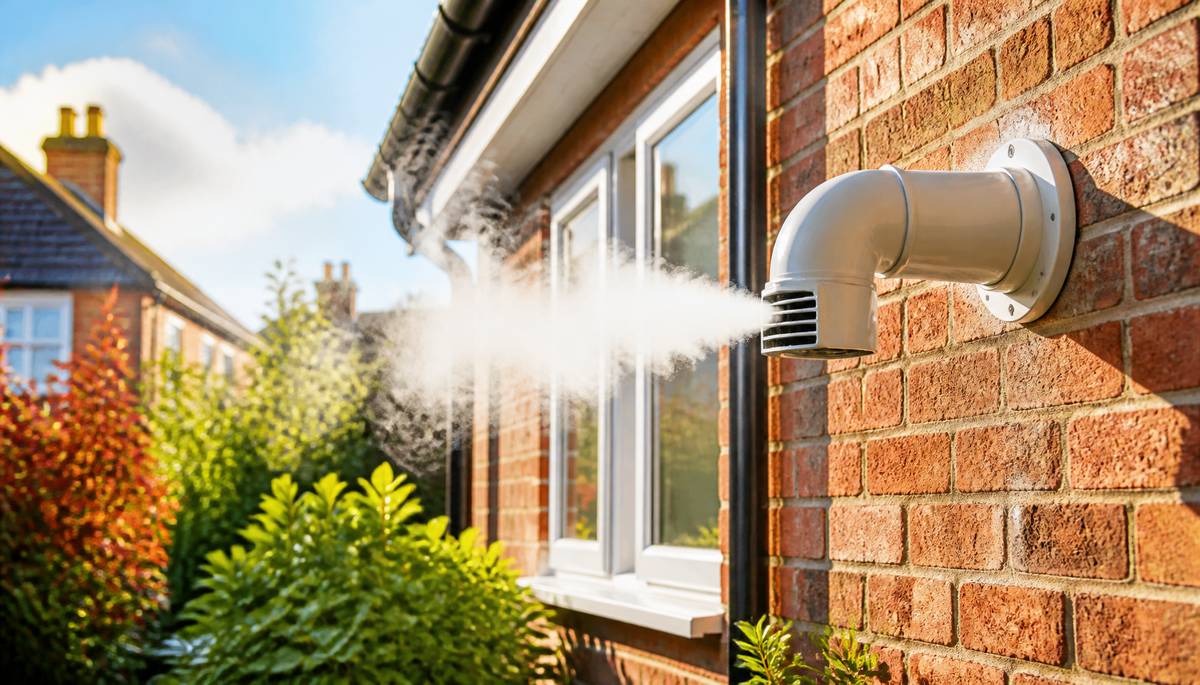 A boiler flue spends most of its working life being ignored, which is impressive considering it performs one of the heating system’s most important jobs. While the boiler gets buttons, lights and occasional worried staring, the flue quietly carries combustion gases away from the property and releases them safely outdoors.
Without a properly functioning flue, a boiler cannot operate safely or efficiently. It is not simply an exhaust pipe attached as an afterthought. Its position, angle, condition and connection to the boiler all matter. When everything is working correctly, householders may barely notice it. That silence is usually a good sign, although it does mean the flue receives less attention than the average kitchen drawer full of expired batteries.
What the Flue Actually Does
When a gas boiler burns fuel, it produces heat along with waste gases. The flue provides a controlled route for those gases to leave the building. Modern condensing boilers also produce water vapour, which is why a pale plume may sometimes be visible outside during cold weather.
That plume is generally normal. It does not mean the boiler is smoking, plotting against the neighbours or preparing to launch. However, dark marks around the flue terminal, unusual smells, staining or repeated boiler shutdowns should not be dismissed. These signs may indicate that combustion gases are not being discharged correctly or that the boiler requires professional attention.
A flue must also prevent outside conditions from interfering excessively with the boiler. Strong winds, heavy rain and freezing temperatures can all affect the area around the terminal. Correct installation helps the system cope with ordinary weather without becoming unreliable every time the clouds look argumentative.
Weather Can Cause Unexpected Problems
Wind is one of the most common outside influences. Powerful gusts can create pressure around the flue outlet, particularly if it has been installed close to a corner, roofline, wall projection or other obstruction. Some boilers may temporarily shut down if their safety controls detect that gases are not leaving as expected.
Cold weather may also expose weaknesses. Condensation can freeze around poorly positioned pipework, while ice or snow may obstruct low-level terminals in severe conditions. Heavy rain can reveal damaged seals or badly fitted components. A properly installed flue should withstand normal seasonal changes, but even a small defect can become far more noticeable when winter arrives with its usual talent for finding every vulnerable part of a house.When Wildlife Moves In
Birds, insects and other small creatures occasionally treat flue areas as potential accommodation. The location may appear sheltered, warm and conveniently free of estate-agent fees. Nesting material, leaves and other debris can gather around certain terminals, especially when a heating system is used less frequently during warmer months.
Debris Is Not Always Obvious
Not every flue problem announces itself dramatically. Wind-blown leaves, twigs, dust and general outdoor debris can slowly build up around the terminal over time. Nearby building work may also introduce fine dust or particles that eventually find their way into places they were never invited. While a flue is designed to cope with normal outdoor conditions, excessive obstruction can interfere with the safe movement of combustion gases.
Fortunately, homeowners do not need to climb ladders or dismantle anything to remain aware of the flue's condition. A simple visual check from ground level can often reveal obvious issues such as damaged covers, visible blockages or unusual staining. If something appears different from previous months, it is worth arranging a professional inspection rather than assuming everything is fine simply because the boiler still switches on.
Poor Installation Can Create Long-Term Trouble
Even a brand-new boiler can struggle if the flue has not been installed correctly. Length, angle, support brackets and terminal position are all carefully specified by manufacturers. Small deviations may not cause immediate failure, but they can reduce efficiency or create recurring faults that become frustrating over time.
A poorly positioned flue may discharge gases too close to windows, doors or neighbouring properties. It may also experience stronger wind effects than intended. In some situations, repeated boiler lockouts are eventually traced back to installation issues rather than faults inside the appliance itself.
This is one reason qualified installation matters. The boiler and flue are designed to operate together as a complete system, not as separate pieces fitted wherever they happen to fit.
Regular Inspection Makes Sense
Most people remember to service the boiler because it contains burners, pumps and heat exchangers. The flue deserves the same attention during those visits. An engineer will usually examine its condition, confirm that joints remain secure and ensure combustion gases are leaving the property safely.
Routine inspections may help identify problems before they develop into expensive repairs or inconvenient breakdowns. They can also improve efficiency, allowing the boiler to operate as intended instead of working harder to overcome avoidable restrictions.
Simple habits can also help between annual services.
- Occasionally look at the external flue terminal from ground level.
- Keep plants and garden structures from growing too close.
- Watch for staining, cracks or visible damage.
- Pay attention if the boiler begins locking out more frequently.
- Arrange professional advice if birds, nests or debris appear near the outlet.
None of these checks require technical knowledge, and they should never involve dismantling or reaching awkward locations. The aim is simply to notice changes before they become larger concerns.
Flue Picture Thinking
A boiler flue rarely receives compliments. Nobody points proudly at it during a house tour, and it is unlikely to become the most photographed feature of any property. Yet it quietly performs a task that protects both efficiency and safety every day the heating system is running.
Giving the flue a little attention during routine maintenance is a sensible investment in the overall health of the heating system. While it may remain one of the least discussed components around the home, it certainly should not remain one of the least appreciated. Sometimes the part doing the quietest work is also carrying one of the biggest responsibilities.
|
|