Types of Roofs: How to Choose the Best Option
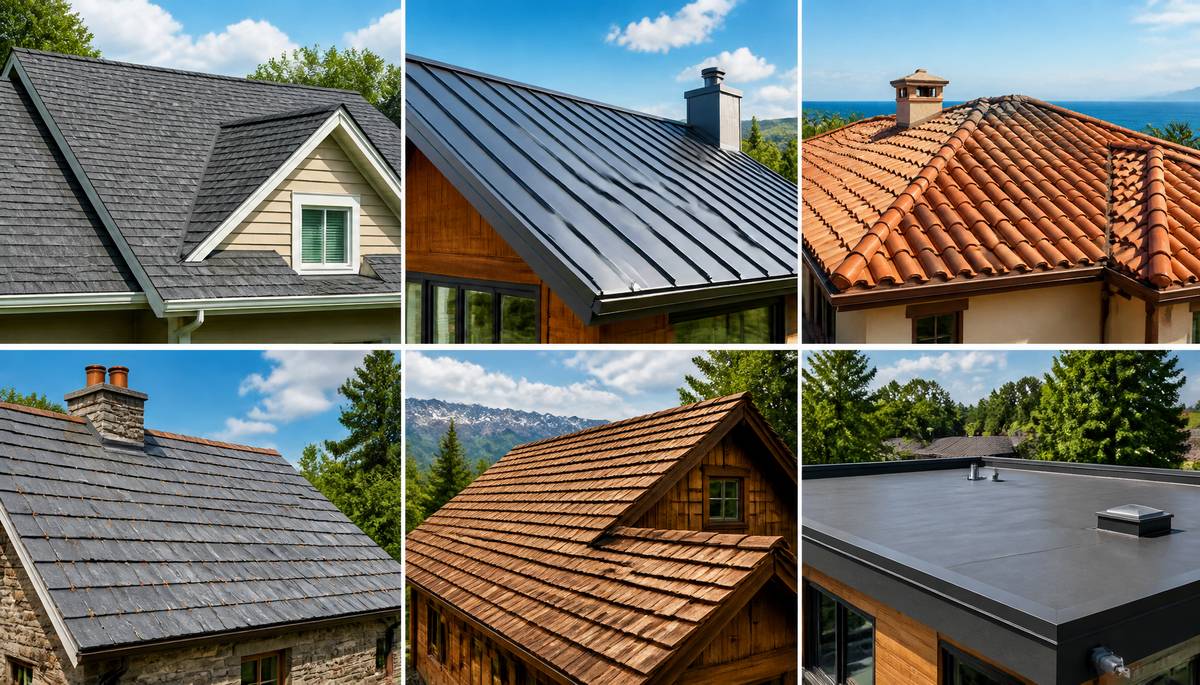 A roof does more than protect a building from rain, wind, and sunlight. It also influences energy efficiency, maintenance expenses, property value, and the overall appearance of a home. Choosing the right roofing system is therefore one of the most important decisions homeowners face when building, renovating, or replacing an existing roof.
However, with so many types of roofs available, finding the right option can feel overwhelming. Asphalt shingles, metal panels, clay tiles, slate, and flat roofing systems each offer different advantages. Some are more affordable initially, while others provide exceptional durability and require fewer replacements over time.
The best choice depends on several factors, including local weather conditions, roof structure, architectural style, and available budget. Understanding how different roofing materials perform makes it easier to avoid unnecessary expenses and select a roof that meets your property's long-term needs.
This guide explores the most common types of roofs, their advantages and disadvantages, and the key considerations that can help you make an informed decision.
Understanding the Different Types of Roofs
Roofing systems generally fall into two categories: pitched roofs and flat or low-slope roofs. Within these categories, several materials are available, each with its own performance characteristics.
1. Asphalt Shingle RoofsAsphalt shingles are among the most widely used roofing materials in North America because of their affordability, versatility, and straightforward installation.
Available in various colours and designs, asphalt shingles work well with traditional and modern residential properties. Architectural shingles also provide a dimensional appearance that can resemble more expensive roofing materials.
Advantages:
- Relatively affordable installation costs
- Wide selection of styles and colours
- Straightforward repairs and replacements
- Compatible with many residential roof designs
Disadvantages:
- Shorter lifespan than many premium materials
- Vulnerable to severe wind and hail damage
- May deteriorate faster under prolonged heat exposure
Most asphalt shingle roofs last approximately 15 - 30 years, depending on material quality, installation, climate, and maintenance.
2. Metal RoofsMetal roofing has become increasingly popular for residential and commercial buildings because of its durability and contemporary appearance.
Common metal roofing materials include steel, aluminium, zinc, and copper. Standing-seam systems are particularly popular for modern properties because their concealed fasteners create a streamlined finish.
Metal roofs are also effective at shedding rain and snow, making them suitable for properties exposed to challenging weather conditions.
Advantages:
- Long service life, often 40 - 70 years
- Excellent resistance to many weather conditions
- Lightweight compared with numerous tile systems
- Recyclable materials and reflective finish options
Disadvantages:
- Higher initial installation costs
- Potential noise during rainfall without adequate insulation
- Requires experienced installers and appropriate detailing
For homeowners prioritising durability and reduced long-term maintenance, metal roofing can be a worthwhile investment.
3. Clay and Concrete Tile RoofsClay and concrete tiles are common across the UK and many other regions, particularly on traditional homes and Mediterranean-inspired properties.
Clay tiles are manufactured from natural clay and fired at high temperatures, while concrete tiles are made from a mixture of cement, sand, and water.
Both materials offer distinctive appearances and strong resistance to weather exposure when installed correctly.
Clay tiles can last 60 - 100 years or longer, while concrete tiles commonly provide approximately 40 - 60 years of service.
Advantages:
- Excellent longevity
- Traditional and attractive appearance
- Resistance to fire and general weather exposure
- A variety of colours, profiles, and finishes
Disadvantages:
- Greater weight than lightweight roofing alternatives
- Potential cracking from impact or movement
- Higher installation and structural requirements
Before replacing an existing roof with tiles, homeowners should confirm that the supporting structure can safely accommodate the additional weight.
4. Slate RoofsNatural slate is considered one of the most durable premium roofing materials. Its distinctive appearance makes it especially suitable for historic buildings, traditional properties, and high-end residential projects.
Properly installed natural slate roofs can last 80 - 100 years or significantly longer under favourable conditions.
Slate also offers excellent resistance to fire and retains its natural colour without requiring a protective coating.
Advantages:
- Exceptional durability and lifespan
- Elegant, timeless appearance
- Low routine maintenance requirements
- Natural material with long-term value
Disadvantages:
- Expensive materials and specialised installation
- Individual slates can crack or slip
- Structural compatibility must be assessed
Although slate roofing involves a substantial initial investment, its longevity can make it economical over several decades.
5. Wood Shake and Shingle RoofsWood roofing provides a rustic, natural appearance that complements traditional cottages, cabins, and certain residential architectural styles.
Wood shakes are typically split to create a textured finish, while wood shingles are machine-cut for a more uniform appearance.
Cedar is a commonly used material because of its natural weather resistance.
However, wood roofing requires more attention than many alternatives. Moisture, moss, insects, and fire exposure can affect its performance, depending on the local environment and treatment used.
Regular inspections, cleaning, and appropriate maintenance are essential for preserving its condition.
6. Flat and Low-Slope RoofsFlat roofs are commonly found on commercial buildings, garages, extensions, and contemporary homes.
Despite their name, flat roofs require a slight slope to direct rainwater toward drainage outlets.
Several materials are used for these systems, including:
- EPDM rubber: A flexible membrane known for weather resistance and long-term performance.
- TPO roofing: A single-ply membrane frequently used on commercial properties, particularly in North America.
- GRP fibreglass: A seamless roofing finish commonly used on UK flat roofs.
- Modified bitumen and felt: Layered waterproofing systems used on various low-slope structures.
The most suitable option depends on the roof's size, drainage design, exposure, and intended use.
Because standing water can accelerate deterioration, proper installation and drainage maintenance are particularly important for flat roofing systems.
How to Choose the Best Type of Roof for Your Property
Understanding roofing materials is only the first step. Choosing between them requires evaluating how each option meets your property's specific requirements.
Consider Your Local ClimateWeather conditions play a major role in determining roofing performance.
Properties exposed to heavy snowfall may benefit from appropriately designed metal systems, while clay and concrete tiles are common choices in regions with frequent rainfall.
In areas experiencing severe wind or hail, impact resistance, fastening methods, and installation quality are especially important. Research from the Insurance Institute for Business & Home Safety shows that hail damage affects roofing materials differently, with asphalt shingles potentially losing protective granules, clay tiles cracking, and metal roofs developing dents.
Rather than choosing a material based solely on appearance, consider how it will perform under local weather conditions throughout the year.
Compare Installation Costs and Long-Term ValueThe least expensive roofing material is not necessarily the most economical option over time.
Asphalt shingles generally have lower initial costs, but they may require replacement sooner than metal, slate, or certain tile systems.
Premium materials cost more upfront but can provide longer service lives.
When comparing quotes, consider:
- Roofing materials and installation labour
- Expected service life
- Maintenance and repair requirements
- Structural modifications, if necessary
- Manufacturer warranties and workmanship coverage
Evaluating the total cost of ownership helps identify which roofing system offers the best value for your circumstances.
Check the Roof Structure and PitchNot every roofing material is suitable for every building.
The roof's pitch determines how effectively water drains and which materials can be installed safely.
Some tile and slate products require steeper slopes, while specially designed metal and membrane systems can accommodate lower pitches.
Structural capacity is equally important. Heavy roofing materials may require reinforcement, particularly when replacing a lightweight existing system.
A qualified roofing professional can assess these conditions before recommending suitable materials.
Work With an Experienced Roofing ContractorEven the highest-quality roofing materials can fail prematurely when installed incorrectly. Poor flashing, inadequate ventilation, improper fastening, and drainage problems can compromise the entire system.
A reliable contractor should provide a detailed inspection, explain available materials, and recommend solutions based on the property's condition rather than encouraging an unnecessary replacement.
Homeowners in Idaho can consult experienced contractors like Recon Roofing & Solar, a veteran-owned roofing company with a 5.0 Google rating and more than 150 reviews. Professional guidance can help homeowners compare roofing materials and choose a suitable long-term solution.
Choosing a contractor who prioritises proper assessments and quality installation can make a significant difference in the success of a roofing project.
Match the Roofing Style to Your PropertyRoofing materials should complement the building's overall architectural design.
Traditional homes often suit clay tiles or slate, while contemporary properties may benefit from standing-seam metal roofing.
Colour, texture, roof shape, and surrounding properties can all influence the final appearance. Homeowners comparing different options can explore how to choose roofing materials that complement their home's architecture, including the appearance, practical advantages, and limitations of different roofing materials.
For listed buildings or properties within conservation areas, additional planning restrictions may apply. Always verify applicable regulations before changing roofing materials.
Types of Roofs FAQs
What Is the Most Durable Type of Roof?Natural slate is among the longest-lasting roofing materials, often providing 80 - 100 years of service or more when installed and maintained correctly. Clay tiles and high-quality metal roofing also offer excellent durability. Actual performance depends on material quality, local weather, and installation standards.
What Is the Cheapest Type of Roof to Install?Asphalt shingles are generally among the most affordable roofing options in North America, while concrete tiles and certain felt systems can be economical choices in the UK. Installation expenses vary according to roof size, accessibility, pitch, materials, and regional labour costs.
Which Type of Roof Requires the Least Maintenance?Slate, metal, and properly installed tile roofs typically require relatively little routine maintenance. However, every roofing system needs periodic inspections to identify damaged materials, blocked drainage, deteriorating flashing, and other potential problems before they become expensive repairs.
How Do I Know Which Roofing Material Is Best for My Home?The best roofing material depends on your budget, roof pitch, structural capacity, climate, and preferred appearance. A professional roof inspection can help determine which materials are compatible with the building and provide the strongest balance of cost, durability, and long-term performance.
Is a Metal Roof Better Than Asphalt Shingles?Metal roofing generally lasts longer and offers strong resistance to many weather conditions, but it usually costs more initially. Asphalt shingles remain popular because they are affordable, versatile, and relatively simple to repair. The better choice depends on your budget, property requirements, and how long you intend to own the building.
How Often Should a Roof Be Inspected?Homeowners should generally arrange a professional roof inspection at least once a year and after significant storms. Older roofs or properties exposed to severe weather may benefit from more frequent assessments. Regular inspections help identify minor damage before water infiltration causes extensive structural problems.
Conclusion: Choosing the Right Roof for Long-Term Protection
Selecting from the different types of roofs involves more than comparing materials and prices. The right roofing system should provide reliable weather protection, complement the property's appearance, and deliver lasting value without excessive maintenance costs.
Asphalt shingles offer affordability and flexibility, while metal roofing provides durability and modern appeal. Clay tiles and slate are excellent options for traditional properties, and specialised membrane systems accommodate flat and low-slope structures.
Ultimately, the best roof is one that matches your building's needs, local climate, and long-term budget.
Before committing to a roofing project, arrange a professional inspection and compare recommendations from qualified contractors. Taking the time to evaluate your options can help prevent avoidable repairs, protect your investment, and ensure your property remains secure for years to come.
|
|

