Industrial Roofing: What Businesses Should Know Before Starting a Project
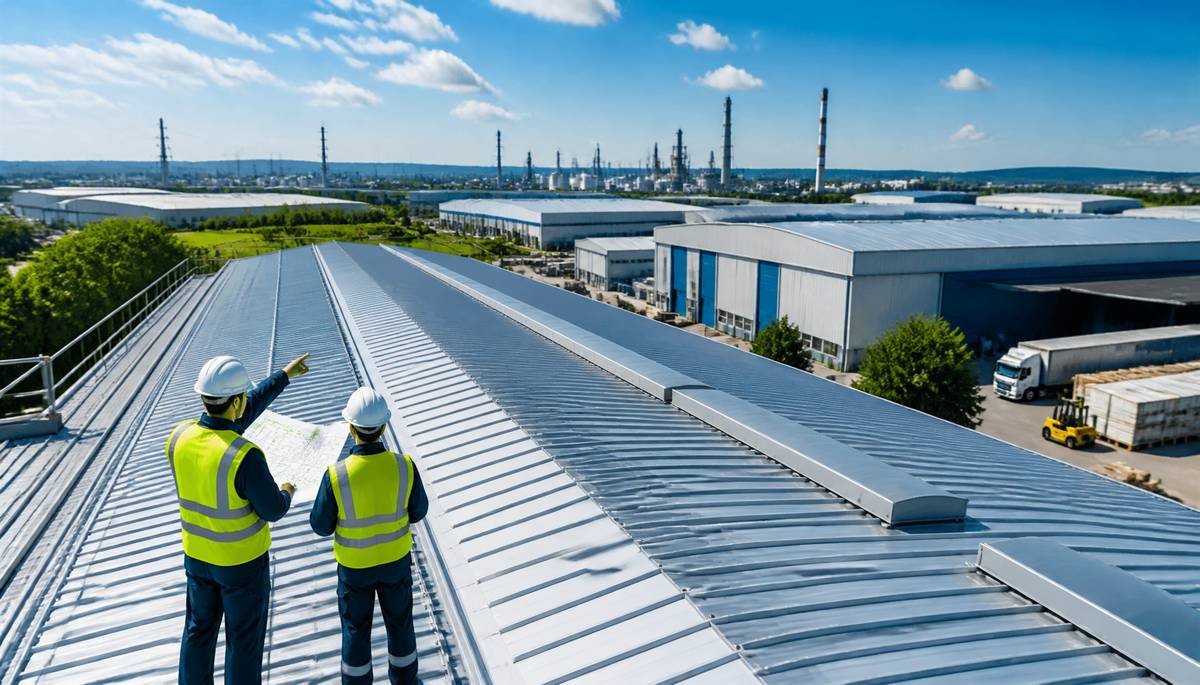 Industrial roof projects go beyond just the look of commercial buildings. They can also have an impact on the running of business activities, temperature within, protection of equipment, and future maintenance costs. There is a need for business owners to be familiar with what their buildings require before undertaking such a project. An ideal industrial roofing project begins by first analysing the current state of the building and selecting appropriate materials. Assessing Your Building Before Installation
Understand the Condition of the Existing Roof
The first thing to do is to find out whether there is a need for any localised repair or refurbishment of the roof, or if it needs replacement. Indicators like leakages, corrosion in metal roofing sheets, damage in fixings, and accumulation of water in certain spots are some of the indicators.
There are other factors that also need to be considered during inspection, like the support system and drainage system.
Consider How the Building Is Used
A warehouse that houses packaged products will have other needs compared to an industrial area where heat, moisture, or dust is involved. This will greatly depend on the kind of activities that will take place in the building.
For businesses that are looking at installing an industrial roof for warehouses and factories, there are certain things like ventilation, insulation, access, and effects of water that one should consider.
Choosing Suitable Roofing Materials
Metal Roofing Systems
Sheet metal is widely applied in industrial structures since it can be easily applied over vast surface areas and is available in various shapes and finishes. Its performance characteristics will depend on the material type, protective coating, and fixings applied.
The selection of the right material should take into account the issues of corrosion protection and weather conditions in a certain region.
Insulated Roofing Panels
Insulated panels integrate outer roofing materials with the inner insulation layer. Depending on how the product is engineered, they might assist in reducing heat exchange and provide more uniform interior temperatures.
In comparing insulated industrial roofs for use in commercial buildings, one should look at the thermal properties, fire rating, moisture resistance, and the suitability for the building's construction.
Planning the Installation Around Business Operations
A new roof could be noisy, disrupt movement, and disrupt activities surrounding the building. It is important to have a well-defined plan of installation so as to reduce such interruptions.
Prior to commencement of the installation, it is important to decide on the pathways of access, where materials will be stored and delivered, and the parts of the property that should be limited during installation.
In case a business is considering industrial roof restoration and replacement services, it is wise to consider the issue of removal of waste and any materials that might require special handling. Old roofs may contain asbestos, and there must be assessment and handling of such material.
Conclusion
Industrial roofs can only be successful if proper planning, the right material, and proper installation have been done. Through evaluating the building, planning for any interruptions that may occur in the process, and scheduling maintenance, one is able to make proper choices regarding the security of his property.
Northern Roofing Ltd would be happy to assist you with all your industrial roofing requirements and structural assessment.
FAQs
How much time will it take to install the industrial roof?
The time taken is dependent on the size of the roof, construction type, condition, and weather. Site inspection will determine this factor more accurately.
Is it possible to install a new roof without halting the operation of the factory?
It may very well be possible, depending on the conditions at the site, safety regulations, and the magnitude of the project.
Is there insulation in industrial roofs?
There can be some systems that have built-in insulation and some others that need to have an independent layer of insulation.
How frequently should an industrial roof be checked?
It is good to begin with an annual check-up. However, additional checks can be carried out after bad weather or the appearance of any damage.
What to do in case asbestos is present in an industrial roof?
There should be an expert opinion about asbestos, and then the appropriate actions should be taken in accordance with the asbestos regulations.
|
|

