Everything You Need to Know about Adapting Your Home to Your Changing Needs
 It stands to reason that a home that worked perfectly ten years ago might not be quite so practical today. Perhaps the stairs are becoming harder to manage, a family member needs extra support, or you're simply planning ahead to make everyday life easier.
The good news is that adapting your home doesn't necessarily mean undertaking expensive renovations. Often, a handful of thoughtful changes can make a property safer, more comfortable, and better suited to your circumstances. So, what are these changes?
Is Your Home Still Working for You?
Before making any minor or major changes, take time to consider which parts of your home are becoming inconvenient. Are there awkward corners to navigate? Is reaching high cupboards becoming difficult? Does the bathroom feel less practical than it once did?
Focus on your daily routine rather than the property's appearance alone. A beautiful kitchen isn't particularly useful if its storage is hard to access, and a spacious living room can still be problematic if furniture blocks walkways. Identifying these everyday frustrations will help you decide which improvements deserve attention first.
A Better Bathroom Could Make All the Difference
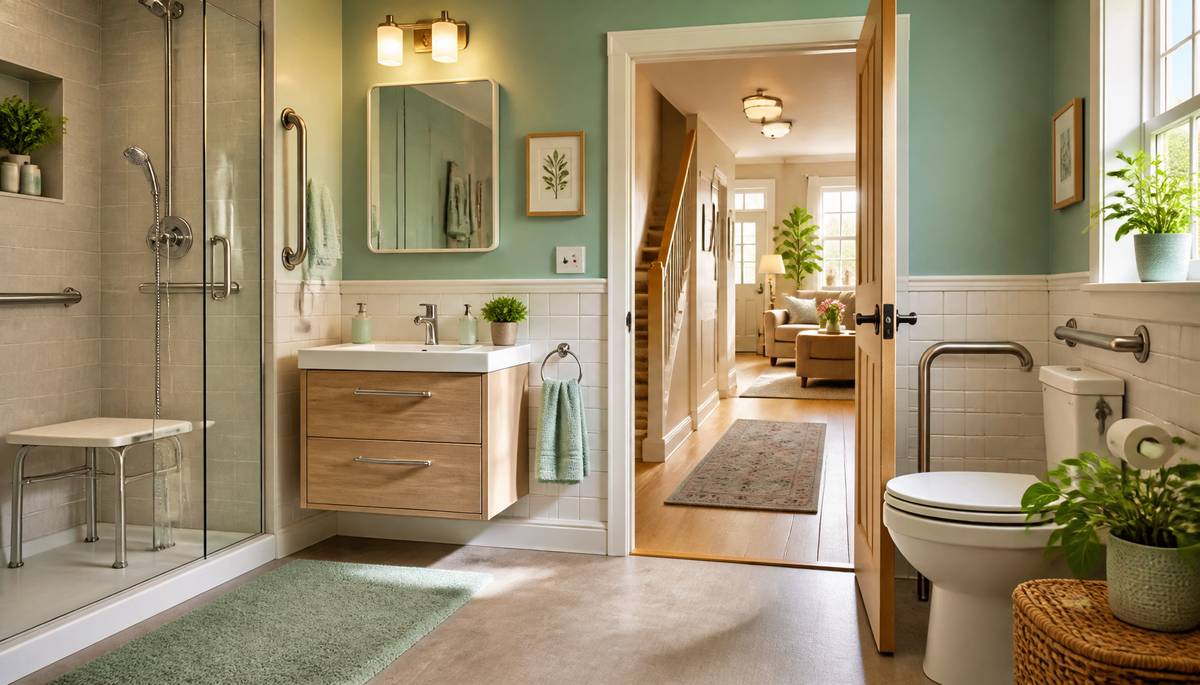
Bathrooms are often among the first rooms that need adapting, especially when mobility becomes an issue. From slippery surfaces and high-sided baths to limited space, there is plenty here that can make simple activities unnecessarily challenging. However, installing grab rails, choosing slip-resistant flooring and replacing a traditional bath with a walk-in shower can make a considerable difference. Lever-operated taps are another practical addition, especially for anyone experiencing reduced grip strength. For more substantial renovations, consider whether the bathroom could accommodate a shower seat or additional mobility equipment in the future.
Sometimes the Best Home Improvement Isn't a Renovation
Adapting a home isn't always about changing its layout. Sometimes, the most valuable improvement involves arranging additional assistance with everyday activities. For older homeowners or those experiencing changing health needs, remaining in familiar surroundings can be particularly important. Professional live-in care offers one way to maintain independence without moving elsewhere.
Families in Essex considering this arrangement can speak with the team at Consultus Care about personalised support at home. Having assistance with daily routines, household tasks and personal care can complement physical home improvements, helping people continue living comfortably in surroundings they know.
The Little Household Hazards You Might Be Overlooking
Poor lighting and uneven flooring can create problems that are easy to overlook until someone falls or has trouble moving around. Consider introducing brighter lighting along staircases, hallways, and entrances. Motion-activated lights can be particularly useful for nighttime journeys to the bathroom. Flooring deserves equal attention. Loose rugs, raised thresholds and trailing cables can become hazards, while consistent, slip-resistant surfaces make moving between rooms easier.
Future-Proof Your Home Without Sacrificing Its Charm
One concern homeowners often have is that accessibility improvements will make their property feel clinical. Fortunately, practical design and attractive interiors don't have to be mutually exclusive. Modern grab rails, discreet lighting, and accessible furniture are available in styles that complement traditional and contemporary homes.
Rather than waiting until major changes become unavoidable, consider the above improvements gradually. A home should continue working for the people living in it, even as their circumstances change. With some forward planning, it's possible to create a property that remains welcoming, practical, and comfortable for years to come.
|
|

