Planning a Renovation? Don't Forget These Important Safety Features
 When planning a renovation, it is easy to get caught up in how the finished space will look. New flooring, updated layouts, modern fittings and fresh décor often receive most of the attention. However, safety should be considered just as carefully as appearance.
Whether you are renovating a home, commercial property or industrial building, incorporating the right safety features from the beginning can help reduce risks and make the finished space more practical for everyone who uses it.
Secure Stairs and Raised Areas
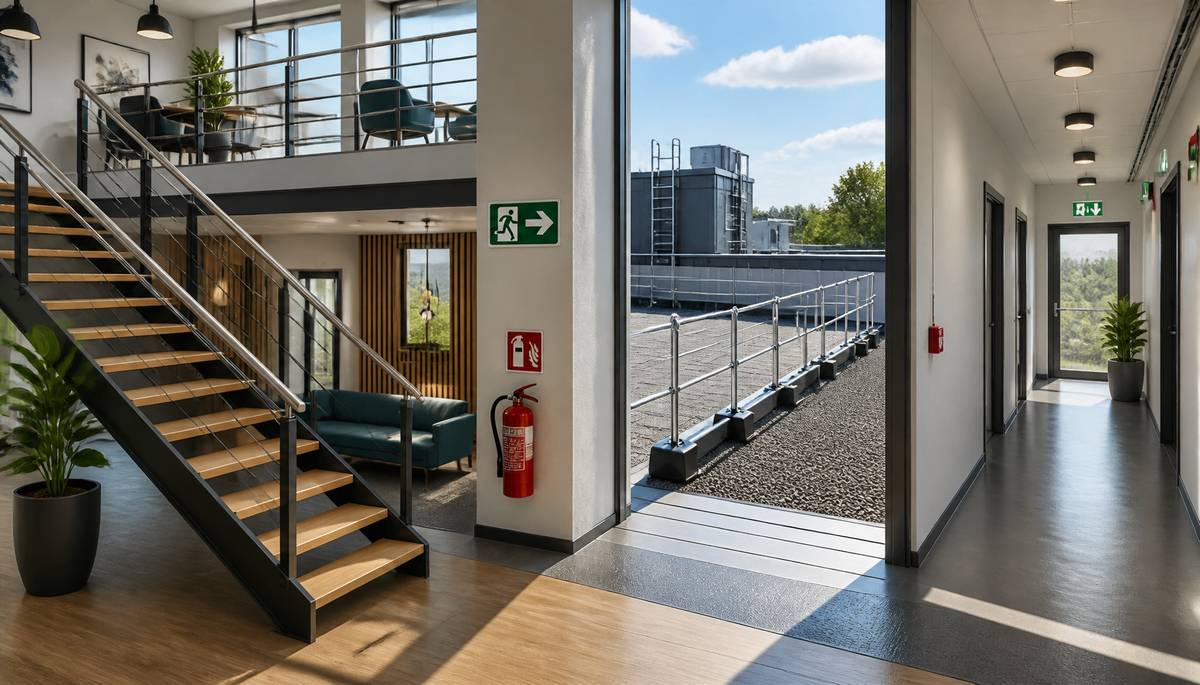
Stairs are one of the most obvious areas where safety needs to be prioritised. Handrails should be strong, securely fitted and positioned at a comfortable height. You should also consider whether stair treads provide enough grip, especially in areas that could become wet.
Balconies, mezzanines, raised platforms and other elevated areas may also require guardrails or barriers. These features should be treated as an integral part of the renovation rather than something to add at the last minute.
Pay Attention to Roof Safety
If your renovation involves roof access, rooftop equipment or maintenance areas, think carefully about how people will move around the space safely.
Suitable roof edge protection can help create a physical barrier around exposed roof edges, reducing the risk of falls for maintenance workers and anyone else who may need authorised access to the roof.
Planning these systems early can also make it easier to integrate them with the building layout without compromising accessibility.
Improve Lighting Throughout the Property
Good lighting is both an aesthetic and a safety feature. Corridors, staircases, entrances, outdoor paths and work areas should all have enough illumination for people to see where they are going.
During a renovation, consider whether existing light fittings need to be repositioned or whether additional lighting is necessary. Motion-activated outdoor lights can also be useful around entrances and pathways.
Choose Slip-Resistant Flooring
Beautiful flooring is not much use if it becomes dangerously slippery. Kitchens, bathrooms, entrances and outdoor areas are particularly important places to consider slip resistance.
Look for materials that provide a practical level of grip while still fitting with your overall design. If you are renovating a commercial property, flooring should also be suitable for the amount of foot traffic the space is expected to receive.
Keep Fire Safety in Mind
Renovations can change how people move through a building, so fire safety arrangements may also need to change. Make sure escape routes remain clear and consider whether smoke alarms, fire doors, emergency lighting or extinguishers need to be added or upgraded.
Professional advice may be necessary for larger or more complex buildings.
Think Beyond the Finished Look
A successful renovation should not only look better. It should also make the property safer, easier to use and better suited to the people who spend time there.
By considering features such as handrails, roof protection, lighting, flooring and fire safety from the planning stage, you can create a finished space that combines good design with everyday practicality.
|
|