Number of listings removed from our directory since 1st November 2019 = 3224
|
Optimising Small Home Offices with Ergonomic Design Tips
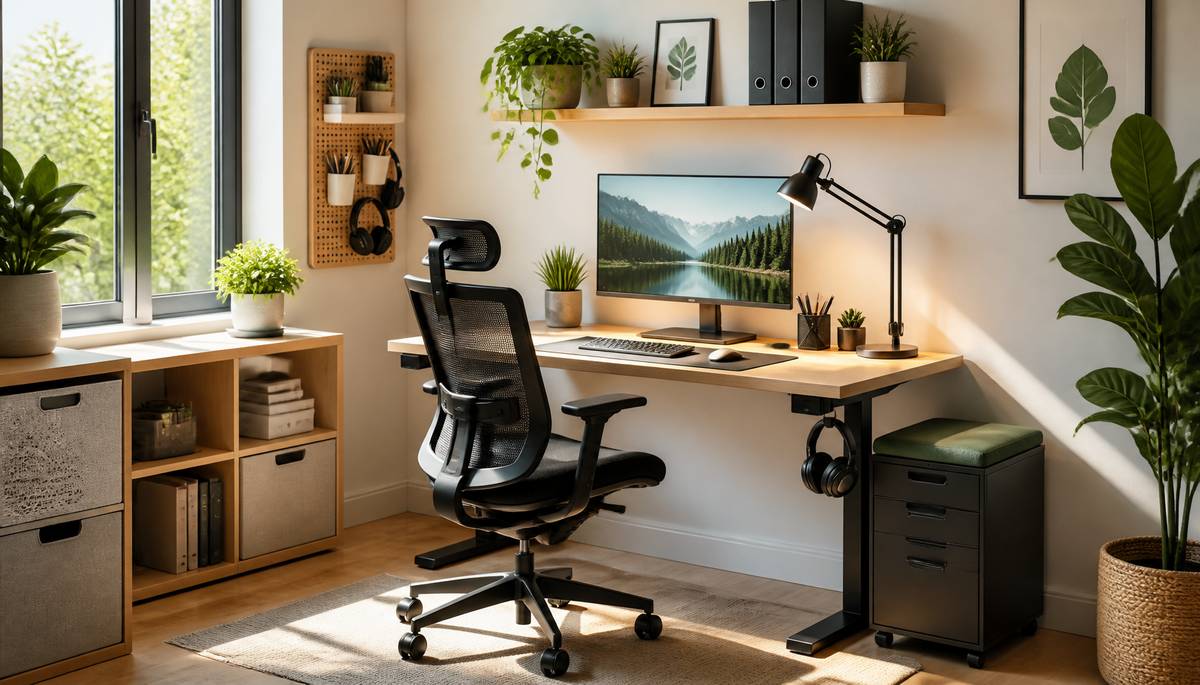 Creating a functional and comfortable home office in limited space presents unique challenges. The importance of ergonomic design cannot be overstated, as it directly impacts your productivity and well-being. By focusing on space efficiency and comfort, you can transform even the smallest area into a highly effective workspace.
Designing a small home office requires a strategic approach to make the most of limited square footage. Ergonomic design is crucial for ensuring comfort, reducing strain, and boosting productivity. By integrating ergonomic principles into your layout, you can enhance both the aesthetic and functional aspects of your office space. Incorporating used office furniture might also offer budget-friendly options while maintaining ergonomic integrity.
Applying ergonomic design in small spaces
To optimise your small home office, consider key ergonomic principles such as proper chair height, screen positioning, and desk organisation. An ergonomically sound chair supports your back and promotes good posture, which is essential for long hours of work. Your computer screen should be at eye level to prevent neck strain, and your keyboard should be positioned to keep your arms at a comfortable angle.
Incorporating ergonomic furniture enhances work efficiency by minimising discomfort and health issues over time. Adjustable chairs and desks allow you to tailor the workspace to your specific needs, accommodating various tasks seamlessly. This adaptability ensures you remain productive without compromising your physical well-being. Investing in quality ergonomic solutions now can save you from costly medical bills later.
Lighting plays a critical role in ergonomic workspace design, particularly in compact environments where natural light may be limited. Position your desk to maximise exposure to windows when possible, but supplement with adjustable task lighting to reduce eye fatigue during evening hours. LED desk lamps with adjustable brightness and colour temperature allow you to customise illumination based on the time of day and specific tasks. Proper lighting not only enhances visibility but also influences mood and energy levels, contributing to sustained focus throughout your workday. Consider the placement of light sources to minimise screen glare and shadows that can cause unnecessary strain on your eyes.
Choosing space-saving furniture
When space is at a premium, selecting furniture that maximises available room without sacrificing ergonomics is key. Consider compact desks with built-in storage to keep essentials within reach while maintaining a tidy workspace. Wall-mounted shelves can hold items off your desk, freeing up surface area for daily tasks.
Multi-functional furniture pieces are ideal for small offices, offering versatility without crowding the space. A foldable desk can serve as a primary workstation by day and be tucked away when not in use. Similarly, chairs with built-in storage or convertible features can save space while adding functionality to your setup.
Arranging furniture for efficient workflow
The arrangement of your home office furniture significantly affects workflow efficiency. Position your desk near natural light sources to reduce eye strain and create an inviting atmosphere. Keep frequently used items within arm's reach to minimise movement and maintain focus during tasks.
A clutter-free environment is crucial for maintaining concentration in a small space. Utilise organisers and storage solutions to keep paperwork and supplies orderly. This approach not only helps streamline your workflow but also enhances the overall aesthetic appeal of your office.
Benefits of ergonomic design in home offices
Incorporating ergonomic design into your small home office yields numerous benefits that extend beyond mere comfort. Enhanced posture reduces physical strain, leading to better health outcomes over time. Ergonomic setups also foster increased productivity by minimising distractions caused by discomfort.
Embracing these design principles encourages a more enjoyable work experience, prompting greater job satisfaction and motivation. As you consider making changes to your workspace, remember that ergonomic solutions provide lasting improvements in both comfort and efficiency.
|
|
|

