Making A North Facing Garden Work Hard For You
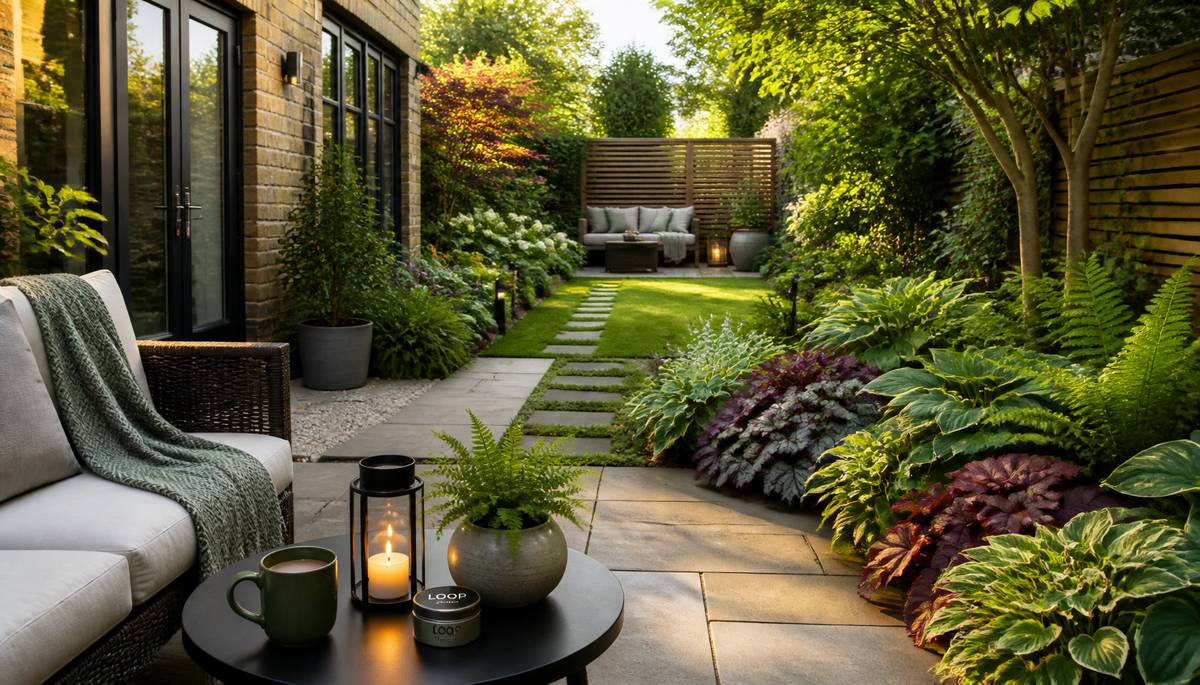 The classic north facing garden headache is familiar. The lawn stays damp, the patio feels chilly even in July, and plants that looked great in the nursery sulk in the shade. Yet with the right layout and planting, you can turn that awkward plot into a space you genuinely use, rather than something you only glance at from the kitchen window.
Understanding Your Shade And Soil
Start by mapping how the light really moves. In most UK north facing gardens, the area right next to the house is in shade almost all day, while the far boundary may get a band of late afternoon sun, especially in summer. This shows you where to put seating, where to prioritise paving, and where to concentrate tough shade plants that accept low light without fuss.
Planting That Actually Thrives
Focus on plants proven to cope with limited sun. Hostas are a reliable choice for deep shade, provided the soil is consistently moist yet well drained; many varieties grow happily with no more than two or three hours of indirect light. Evergreen ferns such as Dryopteris and Polystichum will keep structure through winter if you give them humus rich soil. Heucheras offer long lasting leaf colour in light to medium shade and tolerate typical UK clay once it is improved with organic matter.
Sorting Drainage Before Furniture
Because a north facing lawn gets less sun and more surface moisture, drainage is critical if you want to use it year round. A simple soakaway test helps you understand your soil: dig a hole about 300 mm deep, fill it with water and see if it drains within four hours. If it lingers, consider a French drain along the lowest edge or regrading so surfaces fall away from the house at roughly 1 in 60, which is enough for water to clear without feeling like a slope underfoot.
Designing Warm Comfortable Seating Zones
Instead of one large, gloomy patio by the back door, break the space into zones. A smaller paved area near the house suits morning coffee and quick access, while a second seating pad at the brighter end of the garden captures evening sun. Choose pale paving that reflects what light you do get, and keep boundaries simple. Straight paths with a firm surface make it easier to move chairs or a small barbecue without sinking into damp grass.
Small Comforts For Long Afternoons
Once the layout works, small details help you linger. Some people keep LOOP pouches within reach during long afternoons outside, and you can find LOOP here if that is something they like to have nearby. Others prefer a compact tin from Snusbox on the table alongside a lantern, a fleece throw and a tray for mugs, so everything is to hand when the temperature dips.
Making Maintenance Manageable
Low maintenance choices matter more in a garden that dries slowly. Replace narrow, awkward borders with wider, well planted beds that cover the soil and reduce weeding. Evergreen groundcovers and clump forming grasses such as Carex help lock in a tidy look even in February. Keep lawn shapes simple, ideally with one or two sweeping edges, so mowing around beds is straightforward rather than a weekly obstacle course.
Bringing The Garden Into Everyday Use
The transformation of a north facing garden is less about forcing it to behave like a sunny courtyard and more about working with its character. When the seating sits in the brightest pockets, the surfaces drain cleanly, and the planting is chosen for shade rather than in spite of it, the space stops feeling like the gloomy side of the house and starts to become part of everyday life.
|
|