Choosing Electric Radiators: Hassle-Free, Eco-Friendly Heating Room by Room
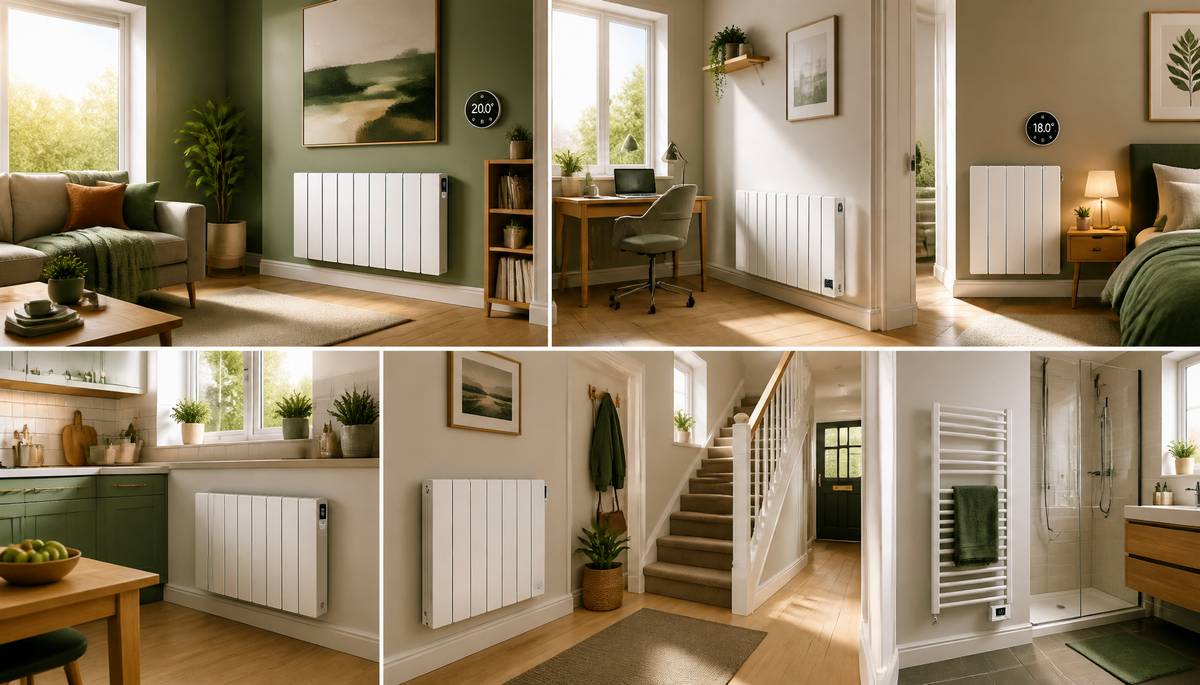 Central heating used to be simple: big boiler, chunky pipes, radiators everywhere, one thermostat on the wall nobody dared touch. Comfortable enough, but not exactly smart, cheap, or flexible.
Modern homes are different. People work from home, use some rooms all day and others hardly at all. Energy prices are unpredictable. There’s more pressure to cut carbon without freezing. That’s exactly where a well-chosen electric radiator setup starts to make sense.
The days when “electric heater” meant a glowing bar in the corner are gone. A quality electric radiator now looks like a normal radiator, warms like one, but gives control room by room, with barely any hassle and a much cleaner relationship with energy use.
Why Electric Radiators Suddenly Make Sense
Electric heating used to be the last resort. Expensive to run, clunky controls, ugly boxes on the wall. That reputation hangs around, but it’s outdated for modern electric radiators.
Two big shifts changed the game:
- The grid is getting greener. More renewables, less coal. Every year, using electricity for heating tends to get cleaner.
- Control tech has caught up. Digital thermostats, room-by-room scheduling, app control if needed. Heat goes where it’s needed, when it’s needed, not everywhere at once.
Instead of one big boiler trying to guess what an entire house wants, each radiator can run its own little plan. That’s better for comfort and for the bill.
What “Hassle-Free” Actually Means in Real Life
People hear “low maintenance” all the time, and it sounds like marketing fluff. With electric radiators, it’s mostly accurate.
No boiler. No flue. No gas checks. No bleeding pipes twice a winter or wondering if the pilot light’s gone out again.
The routine for a decent electric radiator system usually looks like this:
- Find the right size unit for each room
- Mount it to the wall and plug or wire it in (properly, by a professional where needed)
- Set the schedule and temperature
- Walk away and forget about it most of the time
There aren’t any pumps to seize, no radiators filling with sludge, no pressure gauges to watch. If one unit fails, one room loses heat, not the complete house.
Hassle-free also means flexibility. Want to move a home office to a different room? In some cases, a plug-in model can move with it. Even hardwired units can be swapped or upgraded without re-plumbing half the property.
Eco-Friendly: More Than Just a Green Label
“Eco” gets thrown around too easily, so it’s worth being specific.
Electric radiators don’t magically create green energy. What they do is give very fine control over where and when that energy is used. That’s where the environmental gain comes from.
A few concrete points:
- No on-site emissions There’s no combustion within the home. No flue gases, no hazard of carbon monoxide, no fuel leaks. For small, well-insulated homes or flats, that’s a massive step towards low-carbon living.
- Room-by-room zoning reduces waste Heating unused rooms is pure waste. With individual radiators, bedrooms can sit cooler during the day, spare rooms can drop to frost-protection levels most of the time, and living areas can be prioritised.
- Works well with renewables Pairing electric radiators with rooftop solar or a green energy tariff multiplies the environmental benefit. When the grid is cleaner, your heating is cleaner by default.
- Precision control A good unit with a decent digital thermostat might hold a room within half a degree of target. That avoids the constant overshoot-and-cooldown cycle some old boiler systems fall into.
Energy not used is always the cleanest energy. Zoning and control are what make that happen.
Cost-Effective: Where the Savings Really Come From
There’s a common worry: “Isn’t electric heating expensive to run?” The honest answer is: it can be, if used badly or paired with poor insulation. But good electric radiators used intelligently can be surprisingly cost-effective.
The savings tend to come from several places at once:
- Only heating the rooms actually in use A three-bedroom house where one room is a dumping ground and another is a rarely used guest room doesn’t need full heat everywhere. Those spaces can sit at 14–16°C most of the time, with a quick boost when needed.
- Accurate thermostats Rough thermostats that swing a few degrees either way are sneaky money-wasters. High-quality electric radiators often have more precise control, so they don’t overshoot into “too warm” territory that nobody asked for.
- Smarter schedules
- Living room warm from late afternoon to late evening
- Bedrooms warmed briefly before bedtime and just before getting up
- Home office warm 9–5 on weekdays, low the rest of the time
That kind of targeting is hard to achieve with a single central thermostat and slow, water-based system. - Fast response times Many modern electric radiators heat up quickly and retain heat well. That means shorter preheat times and less need to run them for hours just to take the chill off.
Upfront cost is usually lower than ripping out and replacing an entire wet heating system and boiler, especially in properties without existing gas or where boiler flues are awkward. Over the lifetime, careful use and control are what make the numbers work.
Controlling Heat by Room: How to Think About Each Space
One of the best parts of going electric is treating each room as its own little climate zone. Different spaces, different needs.
Living Room
Usually the heart of the home. Comfort matters here.
Look for:
- Slightly higher output than the bare minimum, so the room warms quickly when needed
- Good temperature stability
- A clear weekly schedule with a simple way to override (for those unexpected late nights)
A living room often benefits from a higher-spec unit with more features, because it’s used the most.
Bedrooms
Most people sleep better slightly cooler than they sit. Bedrooms rarely need to be toasty all day.
Ideal approach:
- Lower background temperature
- Short warm-up before bed and before getting up
- Very quiet operation and no glowing elements
Here, a modest output radiator with a reliable timer is often enough. There’s no need to pay to keep 21°C at 2am unless someone likes it that way.
Home Office
This is where a lot of cost creep appears, especially for remote workers. A dedicated office needs to be comfortable when in use, but not a penny more.
Consider:
- Fast warm-up, so it’s not necessary to keep it on for hours
- Detailed weekday programming, with weekends mostly off
- Good control from the unit itself or an app for flexible working hours
Heating a small office well is cheaper than running a whole-house system just so one room feels decent.
Kitchen
Kitchens often get background heat from cooking and appliances, which means less radiator power is needed than people assume.
Key points:
- Avoid oversizing; the room may already run warm
- Choose a model that’s easy to clean and doesn’t trap grease
- Make sure placement doesn’t conflict with cabinets or future fridge moves
The radiator here is more about taking the edge off in winter than fighting sub-zero outdoor temperatures.
Hallways and Landings
These areas don’t need full comfort levels.
Good strategy:
- Keep them at a modest base temperature
- Use smaller radiators with simple control
- Avoid overheating just to keep doors from feeling icy
Again, zoning shines here. There’s no point paying for 21°C in a corridor nobody sits in.
Bathrooms
Slightly different category, but still worth mentioning.
Ideal features:
- Towel-rail style electric radiator for warmth and drying
- Short, sharp boosts aligned with shower times
- Proper IP rating for safety in wet zones
Heat when needed, off when not. Very simple.
Features That Make an Electric Radiator Worth the Money
Not every electric radiator is created equal. Some are little more than a metal box with an on/off switch. Others genuinely feel like part of a modern heating system.
Useful features to look for:
- Reliable digital thermostat The difference between “roughly warm” and “exactly 19.5°C” is noticeable over a winter.
- 24/7 programming Daily and weekly schedules, different for weekdays and weekends, with holiday/frost modes.
- Open-window detection Some units sense a sudden temperature drop and pause heating instead of blasting energy at the sky.
- Energy usage display Not essential, but seeing consumption in real time helps adjust habits quickly.
- Wi-Fi or app control (if it fits the household) Handy for people with irregular schedules, second homes, or rentals. Not everyone needs it, but when used, it can prevent plenty of wasted heat.
- Good build quality and warranty A radiator is not a one-season gadget. Solid casing, quality electronics, and a serious warranty say a lot about how long it’s expected to last.
Cheap panel heaters might look similar at first glance, but typically lack these refinements. Over a few winters, the difference in comfort and running cost becomes obvious.
Sizing by Room: Getting the Basics Right
There’s no need for an engineering degree, but size does matter.
- Undersized: Runs constantly Struggles on very cold days Feels weak and frustrating
- Oversized: Heats very quickly, but can be overkill Costs more upfront than necessary
Rough steps that help:
- Measure the room (length × width × height)
- Take into account insulation level (solid walls, double glazing, loft insulation)
- Consider exposure (corner room, north-facing, big glass areas)
- Use wattage guidance from manufacturers rather than guessing
If sizes appear close, slightly over, not under, is usually safer in cold climates. The thermostat will stop it from running flat-out all the time.
Common Mistakes to Avoid
A few patterns tend to show up again and again:
- Buying purely on price The cheapest electric heater in a supermarket aisle is rarely a long-term heating solution. It can work as a backup, but not as a main system.
- Ignoring insulation No heater may be truly cost-effective in a house that leaks heat everywhere. Basic draught-proofing, loft insulation, and decent windows multiply the benefit of any electric radiator setup.
- Poor placement Hiding radiators behind sofas, heavy curtains, or wardrobes restricts airflow. The unit ends up working longer and harder than it should.
- Using “on full” or “boost” as default Boost modes are for short bursts, not daily use. Proper scheduling and realistic temperature targets do more for comfort and costs.
- Treating every room the same Heating habits for a spare room should not match those for a family living room. Duplicated settings across the house usually mean wasted energy.
Avoiding these is half the battle.
A Modern Way to Think About Heating
Electric radiators suit the way many people live now: more time at home, several routines, mixed-use rooms, and growing awareness of energy use and carbon impact.
Instead of one big, blunt system, each room gets exactly what it needs:
- Right-sized heat source
- Right timing
- Right temperature
The result is simple enough: less hassle once installed, cleaner heating as the grid improves, and the chance to cut bills by not paying to heat empty spaces. Not a bad trade for swapping out some old metal boxes on the wall.
|
|

