Casement Windows Look Simple. Getting Them Right on a London Period Home Is Not
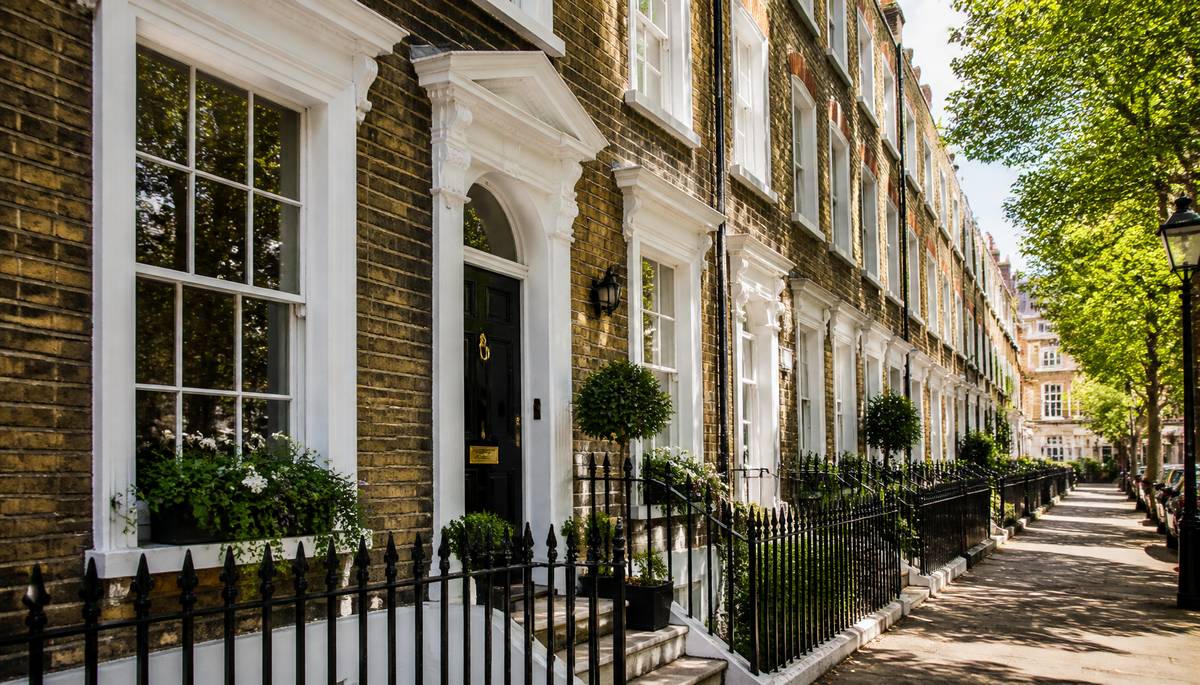 A casement window has one job that sounds easy: open on a hinge. Yet walk along a London terrace and you can tell at a glance which houses have the right ones. The sightlines are slim, the glazing bars sit where they should, and the opening lights echo the proportions of the facade. The wrong ones look like a transplant.
Tusk Joinery & Restoration defines a casement as a side-hinged or top-hinged window that opens outward for ventilation and easy operation. That plain definition covers an enormous range, from slender timber frames on a Georgian townhouse to heavy modern units. The gap in appearance between them is where most replacement mistakes happen.
For anyone weighing up casement windows in London, the decisions that matter are less about the hinge and more about proportion, material, glazing and consent.
What makes London's casement windows particularly distinctive is the sheer concentration of architectural styles within a single city. From the understated detailing of Georgian properties to the decorative timberwork of Victorian villas, the generous proportions of Edwardian homes and the leaded casements of interwar suburban houses, London has accumulated centuries of different joinery traditions. Individual neighbourhoods often have their own architectural identity, too, with distinctive window arrangements, mouldings and glazing patterns repeated along entire streets. A replacement casement in London therefore has to respond not only to the character of the individual building but also to the wider streetscape. A window that looks entirely appropriate in Hampstead might look quite out of place in Dulwich.
Proportion is the whole game
Tusk points out that casements suit the city’s architecture, citing Georgian townhouses in Chelsea and Victorian terraces in Clapham, because they help preserve the proportions and detailing that give period homes their appeal. Four details decide whether a new window sits comfortably: frame thickness, glazing bar profile, mouldings, and sightlines, meaning how much frame shows against the glass.
Old openings are never square
Brick openings shift over time and original timber dimensions vary, so Tusk says each casement is made to measure rather than adapted from a standard size. That matters for a tidy fit and for avoiding gaps that undermine performance. Tusk lists listed buildings, conservation-area homes and restoration projects as typical cases where made-to-measure is essential.
Timber can outperform its reputation
Many owners assume timber is less efficient than uPVC. Tusk argues that performance depends far more on the quality of manufacture, glazing and installation than on the material. It says well-made timber casements with modern glazing and good seals can perform very well.
For homes where bulky double glazing would spoil the look, it also offers slimline double glazing and vacuum glazing to improve thermal performance while keeping slim profiles. That is the firm’s position, so ask for the specification and expected performance of any glazing option you are quoted.
Consent is not an afterthought
Before ordering, work out which rules apply:
- Listed buildings need listed building consent to alter or replace windows
- Conservation areas may have Article 4 directions that remove permitted development rights, so a different design or material can need planning permission. Camden, for example, publishes Article 4(1) fact sheets for areas such as Belsize and Swiss Cottage
- Flats and maisonettes do not have the same permitted development rights as houses, so changes beyond like-for-like replacement need checking
Your local planning authority can confirm which applies. Asking before ordering costs nothing, and discovering the answer afterwards can be very expensive.
Brief the joiner properly
A good brief shortens the process and improves the result. Before a survey, gather:
- Photographs of the existing windows, including close-ups of mouldings and glazing bars
- Notes on what opens, what sticks and where draughts are worst
- The conservation or listed status of the property
- Any earlier alterations you know about
Tusk’s enquiry form lets you upload images, and it asks whether you are a homeowner, architect or developer, which shapes the advice you get.
Restore first, replace second
Tusk says it advises owners on restoring existing timber windows before recommending replacement, because carefully restored windows can still give excellent long-term performance while keeping the history of the building. Where replacement is justified, the aim is a window that belongs to the house rather than one that merely fits the hole.
The best compliment a new window can receive is that nobody notices it has been replaced.
|
|

