Why More Homeowners Are Choosing Metal Staircases and What to Know Before You Do
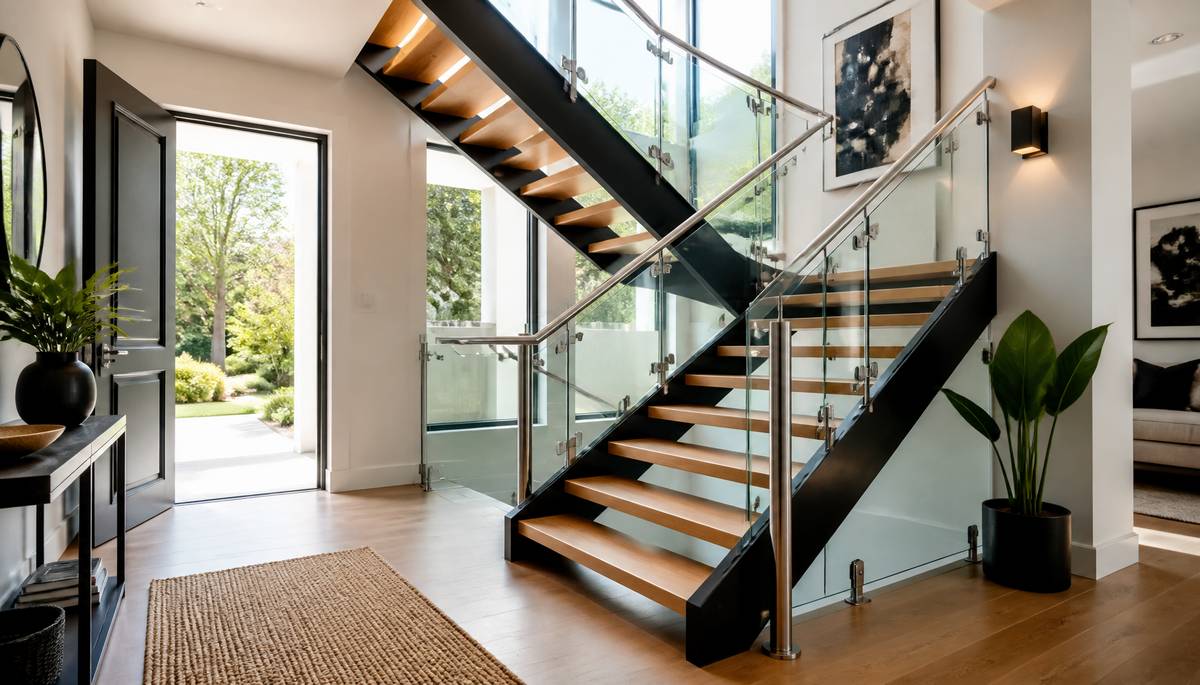 Something has shifted in how homeowners approach staircase design over the past decade or so. Where a staircase was once considered a purely functional structure to be replaced like-for-like when it wore out, it's increasingly treated as a design feature in its own right, something that sets the tone for the interior from the moment you walk through the door. Metal staircases have been a significant part of that shift, bringing a distinctly contemporary character that other materials don't offer in quite the same way.
When considering new metal staircases, understanding what the design range actually covers, and what the material choices mean in practice, makes a significant difference to arriving at the right decision.
The Design Range Is Wider Than Most People Expect
When people picture a metal staircase, the image is often either ornate Victorian ironwork or a very industrial aesthetic. The actual range covers both ends of that spectrum and a great deal in between.
Classic metal designs draw on the ornate detailing of Italian wrought iron, with decorative balusters, scrollwork, and finishes that suit period properties and more traditional interiors. Contemporary metal designs take a completely different approach: clean lines, minimal detailing, and finishes like polished stainless steel or powder coating that create a sleek and architectural look. Glass and steel combinations are particularly fashionable, as the glass panels permit light to stream freely through the staircase, rendering the structure lighter and more open than solid metal by itself.
Finish Options and Their Practical Meaning
The finish of a metal staircase can greatly influence its everyday appearance and ease of maintenance over the years. Common finish options are:
- Polished stainless steel for a bright, reflective surface that suits very contemporary interiors
-
Powder coating in a wide range of colours, with matt black being particularly popular for its clean modern appearance
Chrome for a harder, brighter finish with high reflectivity
-
Galvanised steel where additional durability and corrosion resistance are priorities
-
Custom paint options for homeowners who want something more specific to their interior colour scheme
-
Each finish behaves differently in terms of maintenance and how it ages, and these trade-offs are worth discussing with a designer during the consultation stage rather than leaving them to figure out afterwards.
Combining Metal With Other Materials
Metal staircases work particularly well in combination with other materials, and this is where some of the most striking results come from. Oak treads on a metal frame bring warmth and texture to an otherwise cool-toned structure, creating a contrast that feels both contemporary and inviting. Glass balustrades alongside metal stringers produce a light, open quality that maximises the visual impact of a hallway without overwhelming the space.
Getting this right requires designing the combination from the outset rather than adding elements as afterthoughts, which is precisely why the bespoke design process matters as much as it does in this context.
What to Expect From Installation
Most bespoke metal staircase installations are completed within one to two days, with minimal disruption to the household. The process typically runs from an initial designer visit, where measurements are taken and options are discussed at the property, through to a surveyor visit that confirms the details before installation begins. Knowing the timeline upfront makes it easier to manage expectations and plan the project much more simply.
|
|

