The Household Habits That Accidentally Invite Unwanted Wildlife Indoors
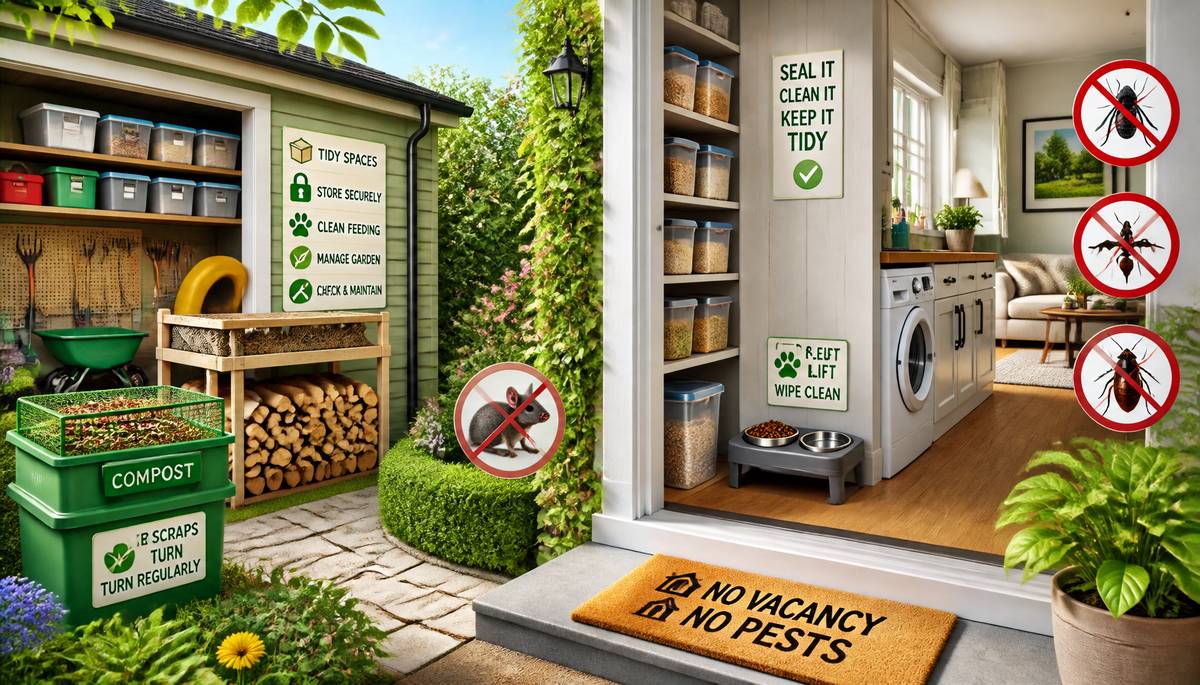 A biscuit crumb under the sofa can apparently become a five-star dining experience if you are small, furry, winged, or blessed with too many legs.
Most people think unwanted wildlife arrives because of obvious food waste, but the invitation is often quieter. It is the cardboard box left in the garage, the pet bowl that stays down overnight, the overgrown hedge touching the wall, or the compost bin that has gradually become a neighbourhood buffet with garden views.Clutter Makes Excellent Accommodation
Clutter gives pests what estate agents might call “characterful living spaces.” Stacked boxes, old newspapers, unused plant pots, forgotten bags of clothes, and messy sheds all create dark, undisturbed hiding places.
Rodents, insects, and other small visitors are not usually looking for glamour. They want shelter, warmth, and somewhere they will not be bothered. A packed cupboard or crowded loft can offer exactly that.
Simple changes help: - Store items in sealed plastic containers rather than cardboard boxes
- Keep floors clear in garages, sheds, and utility rooms
- Check rarely used storage areas every few weeks
- Avoid piling items directly against walls
Pet Feeding Routines Can Attract More Than Pets
Leaving pet food out for long periods is convenient, but it can also attract mice, rats, ants, flies, and the kind of mystery guests nobody added to the family WhatsApp group.
Dry food is still food. Water bowls can also attract wildlife, especially during warmer months. Feeding pets indoors, lifting bowls after meals, and wiping the surrounding floor can make a big difference.
Outdoor feeding should be handled carefully. Food left for cats, dogs, birds, or visiting hedgehogs may also encourage less welcome animals. The goal is not to stop caring for animals, but to avoid creating an open-ended restaurant with no closing time.Gardens Can Quietly Guide Wildlife Indoors
A garden does not need to look abandoned to cause problems. Long grass, dense shrubs, stacked firewood, blocked drains, and branches touching the house can all help pests move closer to doors, vents, roofs, and windows.
Keeping plants trimmed back from walls reduces hidden routes into the home. Firewood should be stored away from the building and raised off the ground where possible. Compost bins should be managed carefully, with lids secured and food scraps covered with garden waste.Compost Without Creating a Buffet
Composting is useful, but poor composting habits can attract attention. Avoid adding cooked food, meat, dairy, or oily leftovers unless your system is specifically designed for them.
Turning the compost regularly also helps speed decomposition while reducing odours that act like giant roadside billboards for hungry wildlife. A healthy compost heap should smell earthy rather than like something that could apply for its own postcode. If it starts attracting more curious visitors than compliments from the neighbours, it is probably time to adjust what is going into it.
Storage Choices Matter More Than Many People Realise
Pantries, garages, and utility rooms deserve just as much attention as kitchens. Open bags of bird seed, pet food, grass seed, and even decorative dried flowers can all become food sources or nesting material.
Where practical, transfer dry goods into sturdy containers with tight-fitting lids. Not only does this keep food fresher, but it also removes easy opportunities for wildlife to help themselves. Cleaning behind appliances, checking forgotten corners, and rotating stored items also reduces the chance of creating hidden feeding areas.
Small leaks should not be ignored either. Moisture attracts a surprising variety of insects, and where insects gather, larger creatures often follow. Repairing dripping taps, fixing leaking pipes, and improving ventilation removes another reason for unwanted visitors to stay.
Seasonal Habits Can Change the Risk
Wildlife behaviour changes throughout the year, and household routines often do too. As temperatures fall, animals naturally begin searching for warm, sheltered spaces. Unfortunately, your loft may appear considerably more appealing than a chilly hedge.
Autumn is an excellent time to inspect rooflines, vents, brickwork, and door seals for small gaps. Many creatures need surprisingly little space to squeeze through. A crack that looks insignificant to a homeowner can appear positively luxurious to a mouse.
During spring and summer, open doors and windows naturally become more common. Using intact insect screens, avoiding prolonged periods with doors standing open, and checking that vents remain protected can reduce the number of accidental guests arriving indoors.
Winning the Battle Before It Starts
Preventing wildlife from settling indoors is rarely about one dramatic action. It is usually the result of dozens of small habits working together over time.
Regular cleaning, sensible storage, tidy gardens, prompt maintenance, and thoughtful feeding routines create an environment that is simply less attractive to creatures looking for food and shelter. None of these tasks are especially complicated on their own, but together they remove many of the opportunities that pests quietly rely upon.
The reward is not only fewer unwanted encounters but also a healthier, easier-to-maintain home. After all, most wildlife is fascinating when viewed in its natural habitat. Finding it conducting a property inspection behind the washing machine is generally much less charming.
No Vacancy Means No New Tenants
A pest-free home is rarely the product of luck. It is usually the result of consistent habits that deny wildlife the essentials it needs to settle in. By reducing shelter, removing easy food sources, managing outdoor spaces carefully, and staying alert to seasonal changes, homeowners can make their property far less inviting. That means fewer unpleasant surprises, less time dealing with recurring problems, and the comforting knowledge that your home is occupied only by the residents who actually pay the bills.
|
|

