Block Paved Driveway: What Homeowners in Reading Need to Know Before Installation
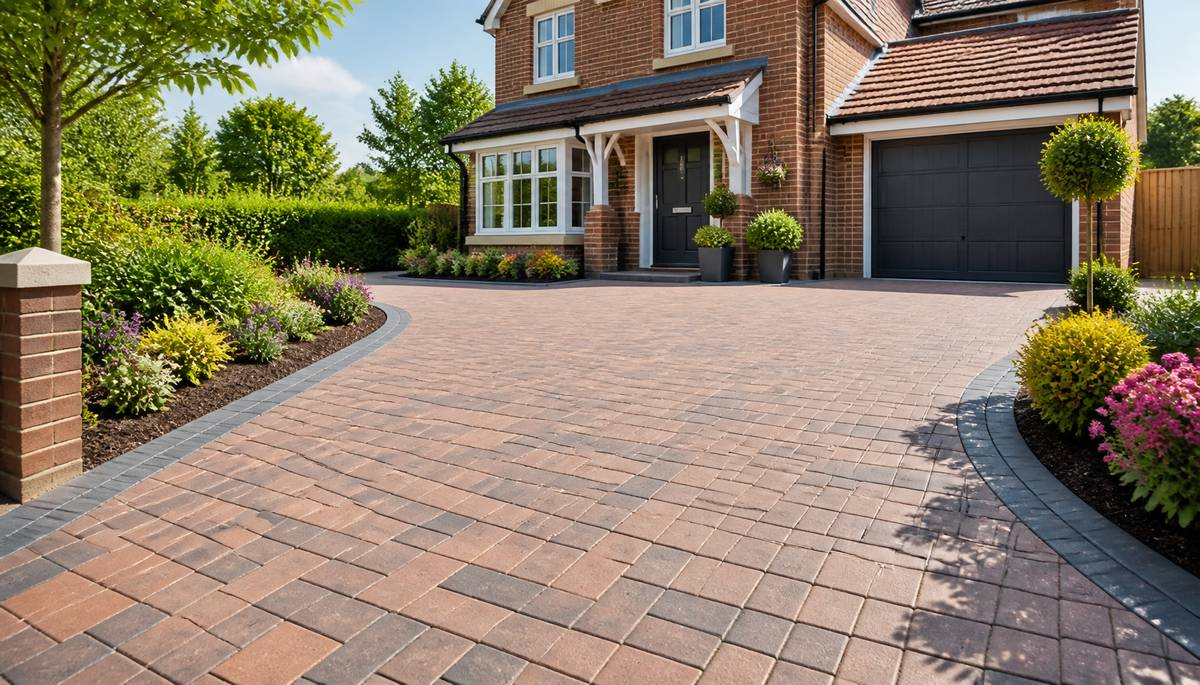 A driveway must offer more than simply an area where a car can be parked. It is exposed to rain, dirt, changing temperatures and vehicle traffic, so the material used and the installation method matter a great deal. A block paved driveway can be a strong option for homeowners seeking a durable surface with plenty of design variety. However, there are several considerations to take into account before installation begins.
 Why Is Block Paving a Preferred Driveway Option? One reason block paving is popular is the range of available designs. Homeowners can choose colours, shapes and patterns that suit the exterior of the property. Block paving also offers a practical advantage: individual blocks can be removed if access is needed to utility lines beneath the surface. Once the work is complete, the blocks can be reinstated or replaced. However, the visible blocks are only part of the installation. The materials beneath the surface have a major effect on how well the driveway performs over time. What Should You Check Before Installation? Consider the Ground Preparation A solid base is essential for a driveway that will experience regular vehicle movement. Loose or poorly compacted ground can allow the paving blocks to shift. Existing layers may need to be removed before the ground can be properly prepared. Think About Drainage Rainwater management should be considered during the driveway design process. Poor drainage can lead to standing water on the surface or close to the property. Gradients and levels should therefore be assessed before work begins. Choose Blocks for Their Use Appearance is important, but the materials must also be suitable for vehicle use. Thickness, durability, texture and resistance to wear should be considered alongside colour and design. When looking for driveway paving in Reading, homeowners should consider the complete installation rather than focusing solely on the appearance of the paving blocks. What Affects the Cost of Block Paving? The cost of a block paving driveway in Reading can vary considerably. Driveway size matters, but several other factors can influence the price. These may include excavation, removal of an existing driveway, ground conditions, the thickness of the sub-base, drainage requirements, edging and the chosen paving material. Property access can also affect the cost and timescale of the project. A clear quotation that explains what the work includes is more useful than simply comparing the price of paving materials. Conclusion Choosing a driveway is not simply about selecting an appealing paving design. Ground preparation, drainage, block quality, expected vehicle use and maintenance requirements are all important considerations when selecting a driveway that is practical and appropriate for the property. The Driveway Studio can offer expert advice and installation services for driveways in Reading, along with a free quotation based on your requirements. FAQs Would Block Paving Be Appropriate for Daily Parking? Yes. Block paving can be suitable for everyday parking when the driveway is properly constructed to support the weight of the vehicles using it. Which Type of Block Paving Is Best for Driveways? The best choice depends on the style of the property, intended use and available budget. It is important to select blocks designed for driveway use. What Is the Lifespan of a Block Paved Driveway? Its lifespan depends on factors including the quality of the installation, ground preparation, drainage, the paving materials used and how the driveway is maintained. Can the Driveway Be Repaired If Blocks Are Damaged? Yes. Damaged blocks can often be removed and replaced without needing to replace the entire driveway. Do I Need My Driveway to Be Sealed? Sealing is not always necessary. It is an optional treatment that may be suitable for some driveways, depending on the chosen materials and the desired finish.
|
|