Common Household Emergencies and How Homeowners Can Respond Quickly
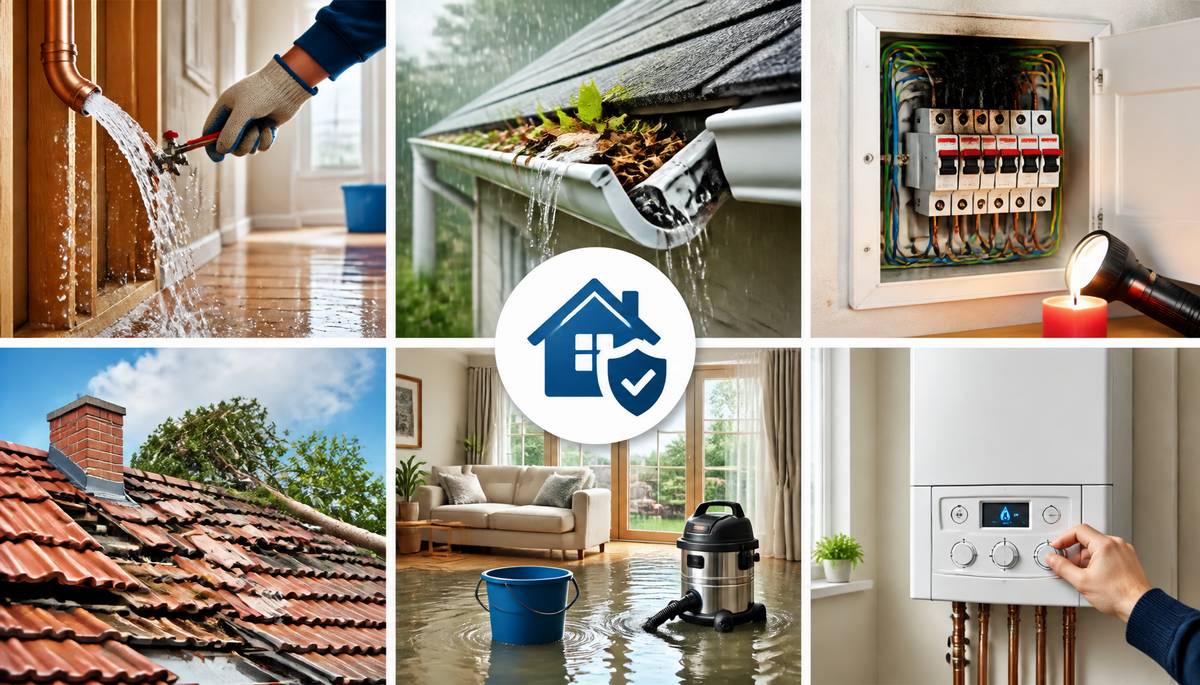 No homeowner likes to think about emergencies, but unexpected problems can arise at any time. From burst pipes and electrical failures to storm damage and flooding, household emergencies often occur without warning and can quickly cause significant disruption.
While some situations require immediate professional assistance, knowing how to respond in the first few moments can help minimise damage, protect your property, and keep your family safe. Preparation and quick action are often the difference between a minor inconvenience and a costly repair bill. Understanding some of the most common household emergencies and how to deal with them can help homeowners feel more confident when problems occur.
1. Burst Pipes and Water Leaks
Few household emergencies can cause damage as quickly as a burst pipe. Water can spread rapidly through walls, ceilings, and flooring, leading to extensive repairs if not addressed immediately. The first step is to locate and switch off the property's main water supply. Every homeowner should know where their stopcock is located before an emergency occurs. Once the water supply has been turned off, any electrical appliances near the affected area should be avoided until it is safe to do so.
After limiting the immediate damage, contact a qualified plumber as soon as possible. Even small leaks should be treated seriously, as prolonged exposure to moisture can result in mould growth and structural issues.
2. Gutter Damage After Severe Weather
Gutters are often overlooked until something goes wrong. During periods of heavy rain or strong winds, gutters can become damaged, blocked, or detached from the property. Damaged gutters may allow water to overflow onto walls, windows, and foundations, increasing the risk of damp and structural issues. If left unresolved, what begins as a minor problem can quickly become far more expensive to repair.
Following severe weather, homeowners should inspect gutters for visible signs of damage and seek professional emergency gutter repairs if sections have become loose, broken, or unable to drain water effectively. Prompt action can help prevent further property damage and restore proper water management.
3. Electrical Problems and Power Outages
Electrical faults can range from minor inconveniences to serious safety hazards. If power suddenly goes out in part of the property, checking the consumer unit may help identify whether a circuit breaker has tripped. However, if there are signs of burning smells, sparking outlets, exposed wiring, or smoke, homeowners should avoid attempting repairs themselves. Electricity can be extremely dangerous, and professional assistance should always be sought when serious faults are suspected. Keeping torches, spare batteries, and a charged mobile phone available can make power outages easier to manage until the issue is resolved.
4. Roof Damage Following Storms
Strong winds and heavy rainfall can cause damage to roofs, particularly if existing weaknesses are already present. Missing tiles, damaged flashing, and debris impact can all create vulnerabilities that allow water to enter the property. Following severe weather, homeowners should visually inspect their roof from a safe location. If damage is suspected, it is important to arrange professional repairs promptly to prevent water ingress and further deterioration. Attempting to access a damaged roof without the appropriate equipment and experience can be dangerous, particularly after storms when surfaces may be slippery.
5. Flooding and Water Ingress
Heavy rainfall can sometimes overwhelm drainage systems, resulting in localised flooding around homes and gardens. Internal flooding may also occur due to plumbing failures or roof leaks. If flooding occurs, protecting personal belongings and important documents should be a priority. Where safe to do so, electricity should be switched off in affected areas to reduce the risk of electrical hazards. Professional assistance may be required to remove standing water and assess any structural damage. Acting quickly can help reduce the likelihood of long-term moisture problems and mould growth.
6. Heating System Failures
A boiler breakdown during winter can be particularly disruptive, especially for families with young children or elderly residents. Loss of heating and hot water can quickly make a property uncomfortable and difficult to manage. Routine servicing is one of the best ways to reduce the risk of unexpected heating failures. However, if a breakdown occurs, checking system pressure and thermostat settings may help identify simple issues. For more serious faults, a qualified heating engineer should be contacted to diagnose and repair the problem safely.
Acting Quickly Can Save Time and Money
Household emergencies are rarely convenient, but responding quickly often limits the damage they cause. Small problems can escalate rapidly when left untreated, leading to more extensive repairs and higher costs. By understanding common emergencies and taking a proactive approach to property maintenance, homeowners can protect their homes and minimise disruption when unexpected situations occur. Whether dealing with a burst pipe, storm damage, or a failed heating system, prompt action remains one of the most effective tools available.
|
|

